







What's Happening?
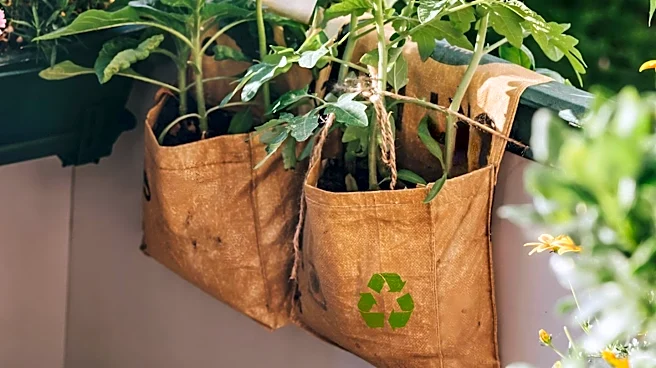
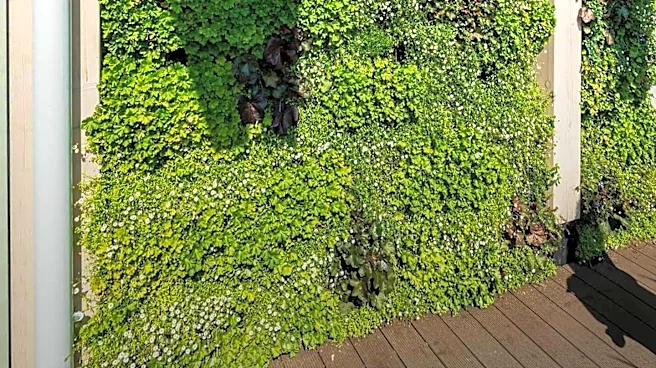
Vertical gardening is gaining traction as an efficient method for growing plants in stacked layers, utilizing height rather than expansive ground space. This approach is particularly beneficial for individuals with limited outdoor areas, such as balconies
or small patios. While often associated with hydroponics, vertical farming primarily refers to the spatial arrangement of plants in layers, with hydroponics being a common soilless method used within these systems. Home setups typically involve towers or short racks, allowing for the cultivation of various plants like lettuce, basil, mint, and microgreens. This method contrasts with large-scale commercial vertical farms, which often involve warehouses with controlled environments, precise lighting, nutrients, and temperatures. The core idea remains consistent: maximizing growing potential in a compact footprint.
Why It's Important?
The rise of vertical gardening is significant for urban dwellers and those with restricted space, offering a practical solution to cultivate fresh produce and enhance green spaces. This method promotes self-sufficiency in food production, potentially reducing reliance on traditional agricultural supply chains and offering fresher, locally grown options. For individuals, it provides a therapeutic and engaging hobby with tangible benefits, such as access to fresh herbs and vegetables. Environmentally, vertical gardening can contribute to sustainable living by optimizing water and nutrient use, especially when combined with soilless methods like hydroponics. It also transforms underutilized spaces into productive green areas, improving urban aesthetics and potentially contributing to local biodiversity. The distinction between vertical farming as a layout and hydroponics as a growing method is crucial for beginners to understand, guiding them toward appropriate systems for their needs and resources.
What's Next?
As interest in sustainable and space-efficient gardening grows, further innovations in vertical gardening systems are expected. This includes more accessible and affordable home kits, advanced lighting solutions tailored for small-scale use, and improved plant varieties optimized for vertical growth. Educational resources will likely expand to help beginners navigate the nuances of vertical gardening, from pH and EC management to pest control in stacked environments. The integration of smart technology, such as automated watering and nutrient delivery systems, could also become more prevalent, simplifying the process for home growers. Additionally, there may be a continued blurring of lines between home and commercial applications, with smaller, community-focused vertical farms emerging in urban settings.
Beyond the Headlines
Beyond its practical applications, vertical gardening taps into a broader cultural shift towards sustainability, urban greening, and a desire for greater connection with food sources. It challenges traditional notions of agriculture, demonstrating that productive farming can occur in unexpected places. The aesthetic appeal of vertical gardens also plays a role, transforming mundane walls and balconies into vibrant, living installations that contribute to well-being and mental health. This trend reflects a growing awareness of environmental impact and a proactive approach to mitigating it through personal actions. Furthermore, the accessibility of vertical gardening can empower individuals to engage with plant science and ecological principles, fostering a deeper appreciation for natural processes and sustainable practices in everyday life.