




What's Happening?
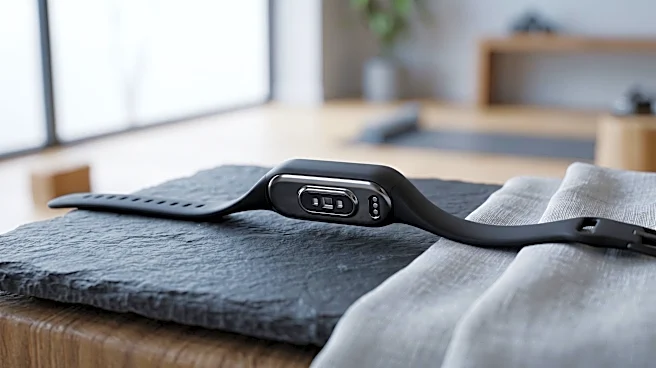
Oura is delving into the concepts of longevity and healthy aging by utilizing its wearable technology to track various biometrics. While no wearable can directly measure biological age, Oura estimates how specific parts of the body may be aging, such
as its Cardiovascular Age, which assesses arterial stiffness. The Oura Ring captures aspects of vitality and locomotion through biometrics like resting heart rate, heart rate variability (HRV), sleep stages, and daily activity. These measurements are intended to be reviewed over months, often alongside Health Panels and Lab Uploads, to understand how habits influence long-term health. The company emphasizes that its devices are not medical devices and are not intended to diagnose, treat, or prevent any condition, but rather to provide data that correlates with long-term health indicators.
Why It's Important?
This focus on longevity and biological age by Oura reflects a growing consumer interest in proactive health management and extending 'healthspan'—the years spent in good health. For the U.S. health and wellness market, this trend signifies a shift from merely tracking activity to providing more nuanced insights into physiological processes that contribute to aging and overall health. The ability of wearables to track metrics like resting heart rate and HRV, which have been linked to mortality risk in large studies, empowers individuals with data to potentially modify their lifestyles. This development could drive further innovation in wearable technology, pushing manufacturers to develop more sophisticated sensors and algorithms that offer deeper insights into human biology, ultimately impacting how Americans approach personal health and preventative care.
What's Next?
As Oura continues to refine its biometric tracking and interpretation, the company may explore further integration with personalized health programs and potentially collaborate with research institutions to validate the long-term impact of its data. The emphasis on 'Cardiovascular Age' suggests a future where wearables could offer more targeted insights into specific organ health. Consumers can expect more advanced features aimed at providing actionable advice for improving longevity and healthspan. However, the distinction between consumer wearables and medical devices will remain crucial, with ongoing discussions about regulatory oversight and the responsible use of such health data. The trend towards personalized longevity tracking is likely to expand, with more companies entering this space and offering diverse approaches to biological age estimation.
Beyond the Headlines
The pursuit of longevity and the ability to estimate biological age through wearables raise profound societal and ethical questions. While empowering individuals with health data can lead to healthier lifestyles, it also introduces concerns about data privacy, the potential for health anxiety, and the equitable access to such technologies. The concept of 'biological age' could influence insurance policies, employment, and even social perceptions of aging. Furthermore, the reliance on technology to understand and manage health could lead to a decreased emphasis on traditional medical consultations if not properly balanced. As these technologies evolve, there will be a critical need for clear scientific validation, transparent communication about limitations, and robust ethical frameworks to ensure responsible innovation and use.