



What's Happening?
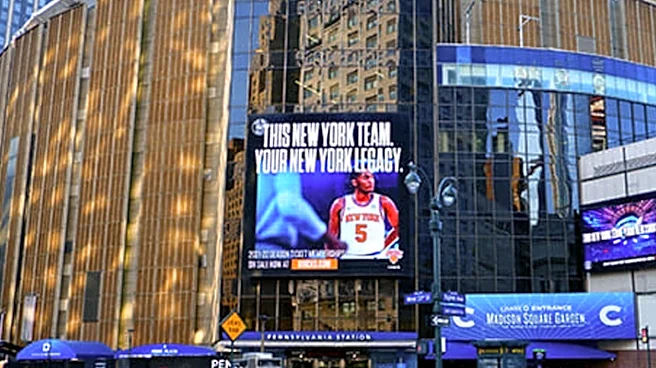
Madison Square Garden Sports Corp. (MSGS) is set to split into two separate publicly traded companies by the end of October 2026. The New York Knicks business will become MSG Knickerbockers Corp. (MSGK), and the New York Rangers business will become MSG Rangers Corp. (MSGR).
This move will make the New York Knicks the only major American professional sports franchise trading as a standalone public stock. The Dolan family, through James Dolan, will maintain significant control over both entities via Class B shares, which carry 10 votes each and elect 75% of the board. Public shareholders will hold Class A stock with one vote per share, electing the remaining quarter of the board. JPMorgan analyst David Karnovsky has valued the Knicks alone at $11.75 billion, a figure that stands in contrast to MSG Sports' current market capitalization of approximately $9.2 billion for both teams combined. This valuation follows the recent sale of the Los Angeles Lakers for $12.5 billion.
Why It's Important?
This corporate restructuring is significant for several reasons. Firstly, it provides a clearer valuation of the New York Knicks as a standalone entity, allowing the market to price the basketball team independently of the Rangers. The substantial gap between JPMorgan's $11.75 billion valuation for the Knicks and the combined market cap of MSG Sports ($9.2 billion) highlights the market's perception of the costs associated with the Dolan family's controlling stake. Investors in MSGK will acquire a minority stake with limited voting power, as the Dolan family's Class B shares ensure they cannot be outvoted. This structure means that activist investor pressure will have no clear path forward. Furthermore, the Knicks will continue to pay approximately $27 million annually in arena rent to MSG Entertainment, another company controlled by James Dolan, and experienced a 28% cut in local media rights fees in 2025 with no increases until the 2028-29 season. These financial arrangements will directly impact the profitability and valuation of the newly independent MSGK.
What's Next?
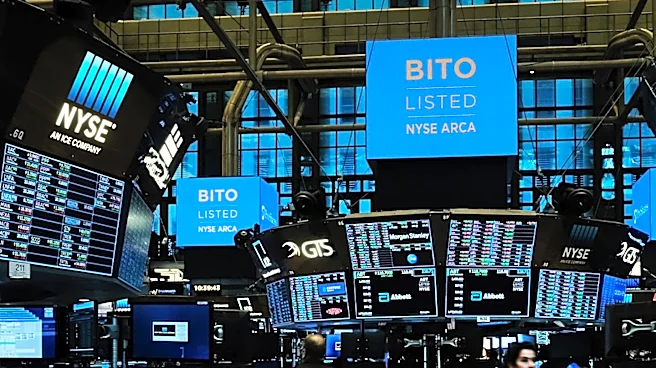
The split is expected to be finalized by the end of October 2026. Shareholders of MSG Sports will receive one share of MSG Rangers Corp. for every two shares of MSG Sports they currently hold. MSGK will then begin trading on the New York Stock Exchange, allowing for real-time valuation of the Knicks franchise. This will provide a daily public answer to how James Dolan's control impacts the team's market value. The NBA Board of Governors will need to approve any ownership changes, though this spin-off is a corporate restructuring rather than a sale of the controlling interest. The financial performance of MSGK will be closely watched, particularly concerning its revenue streams from local media rights and its ongoing arena lease agreement with MSG Entertainment. The market's reaction to the standalone valuation of the Knicks, especially in comparison to other major sports franchises, will be a key indicator of investor sentiment regarding the team's management and financial structure.
Beyond the Headlines
The spin-off of the New York Knicks into a standalone public company, MSGK, brings to light deeper implications regarding corporate governance and ownership structures in professional sports. The continued control by the Dolan family through super-voting Class B shares raises questions about the influence of minority shareholders and the potential for maximizing franchise value. The market's 'discount' of approximately $2.5 billion, as identified by JPMorgan, suggests that investors are factoring in the limitations imposed by the controlling shareholder's unassailable position. This situation could serve as a case study for other sports franchises considering public offerings or corporate restructurings, highlighting the tension between family control and public market valuation. The arrangement also underscores the complex financial relationships within sports conglomerates, where one entity (the Knicks) pays significant rent to another entity (MSG Entertainment) under the same ultimate ownership, potentially impacting the perceived fairness and transparency of financial operations for public investors.