


What's Happening?
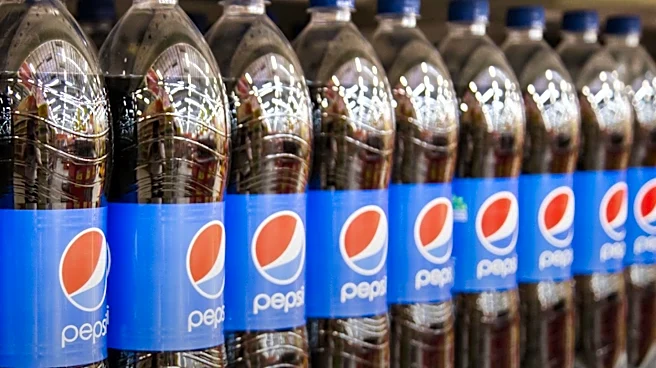
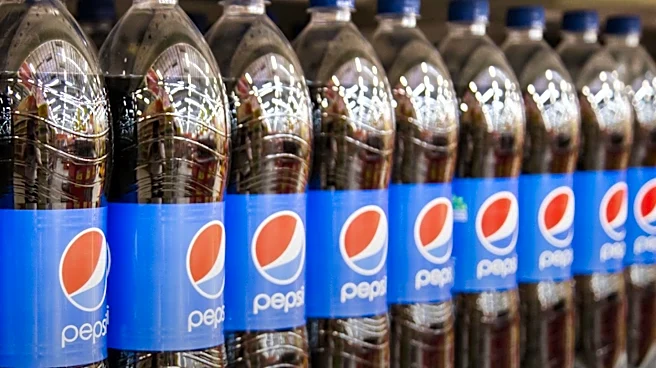
PepsiCo's stock experienced a 0.45% decline, placing it among the top ten losers in the Nasdaq 100. This dip follows a significant 13% recovery since its annual low in early October. The company's management, led by CEO Ramon Laguarta, has acknowledged
ongoing challenges in the North American market, where efforts are being intensified to boost innovation, brand building, and sales. A key concern highlighted by Trefis is the anticipated increase in raw material costs once existing price hedges expire, which is expected to be a major burden for the final quarter. Despite these challenges, PepsiCo's board approved a quarterly dividend of $1.48 per share, a 4% increase from the previous year, marking the 54th consecutive year of dividend increases. The dividend is scheduled for payment on January 6, 2027, with a record date of December 4, 2026.
Why It's Important?
The recent decline in PepsiCo's stock, despite a strong prior recovery, signals investor concern over the company's profitability, particularly in its crucial North American segment. The pressure on margins in North America, coupled with rising raw material costs, could impact PepsiCo's overall financial performance. While the company has a strong track record of increasing dividends, which appeals to long-term investors seeking reliability, the current market sentiment appears to be shifting. The market's previous focus on growth, which saw the stock rise after an upward revision of sales expectations despite a lowered core earnings per share target, might be giving way to a closer examination of profitability. This situation could influence investor strategies, potentially leading to a re-evaluation of consumer staple stocks in favor of other sectors if profitability concerns persist.
What's Next?
PepsiCo is expected to release its annual report in February 2027, which will include an outlook for 2027. This report will be crucial for investors to assess the company's strategies for addressing margin pressure in North America and mitigating the impact of rising raw material costs. CEO Ramon Laguarta's announced initiatives to accelerate innovation, brand building, and distribution in North America will be closely watched for their effectiveness. The market will also be monitoring the broader economic environment, particularly commodity prices, as these will directly influence PepsiCo's cost structure. The company's ability to maintain its dividend growth streak will also be a key indicator of its financial health and commitment to shareholder returns.
Beyond the Headlines
The situation at PepsiCo reflects a broader trend in the consumer goods sector where companies are grappling with the dual challenge of maintaining profitability amidst inflationary pressures and evolving consumer preferences. The emphasis on innovation and brand building in North America suggests a strategic pivot towards higher-value offerings and stronger market differentiation to counteract margin erosion. This could lead to increased competition in the beverage and snack markets as companies vie for consumer loyalty. Furthermore, the sustained dividend increases highlight the importance of shareholder returns as a core component of corporate strategy, even in challenging economic environments. The interplay between sales growth, profit margins, and shareholder distributions will continue to shape investor perception and the long-term trajectory of established consumer brands like PepsiCo.