

What's Happening?
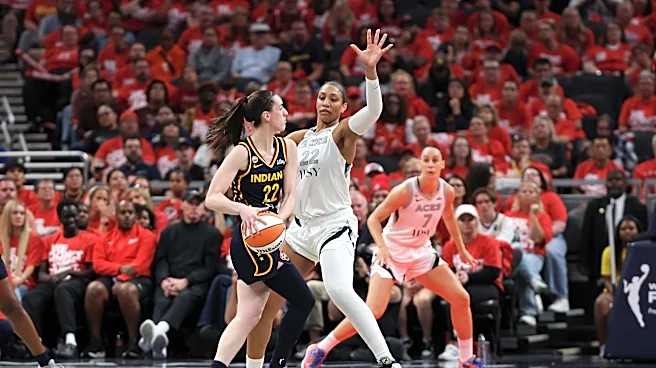
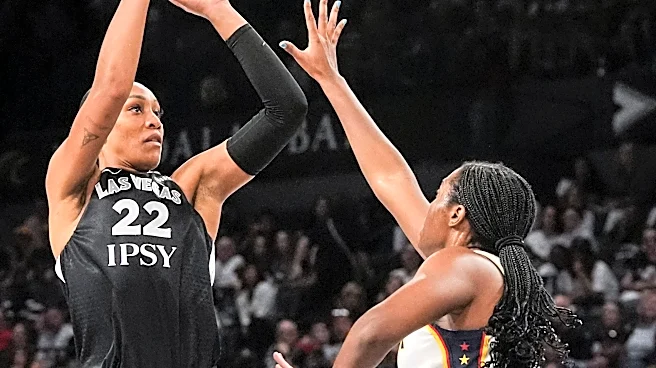
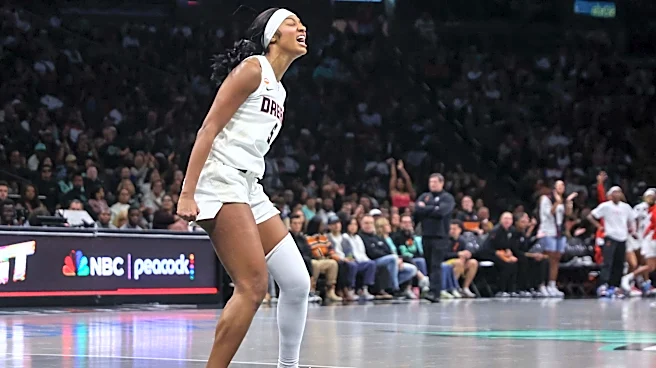
Sports analyst Jason Whitlock has publicly criticized WNBA player A'ja Wilson following an interaction with a fan, labeling it a 'disgrace to sports.' Whitlock suggested that Wilson's actions were a distraction from her performance. His comments align
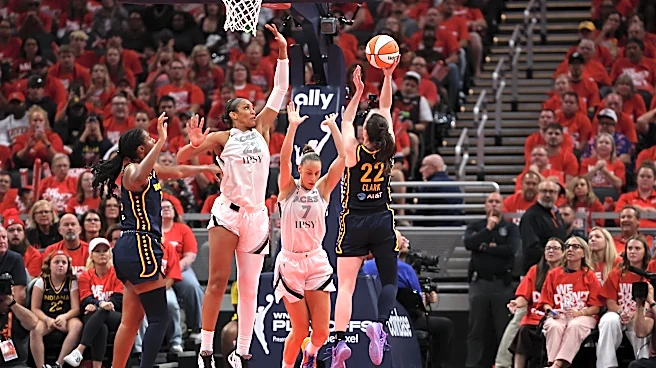
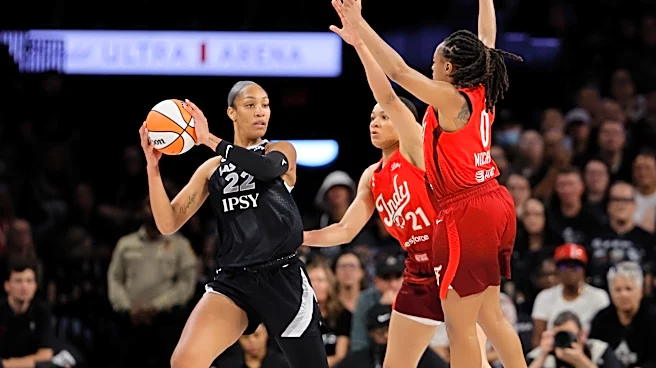
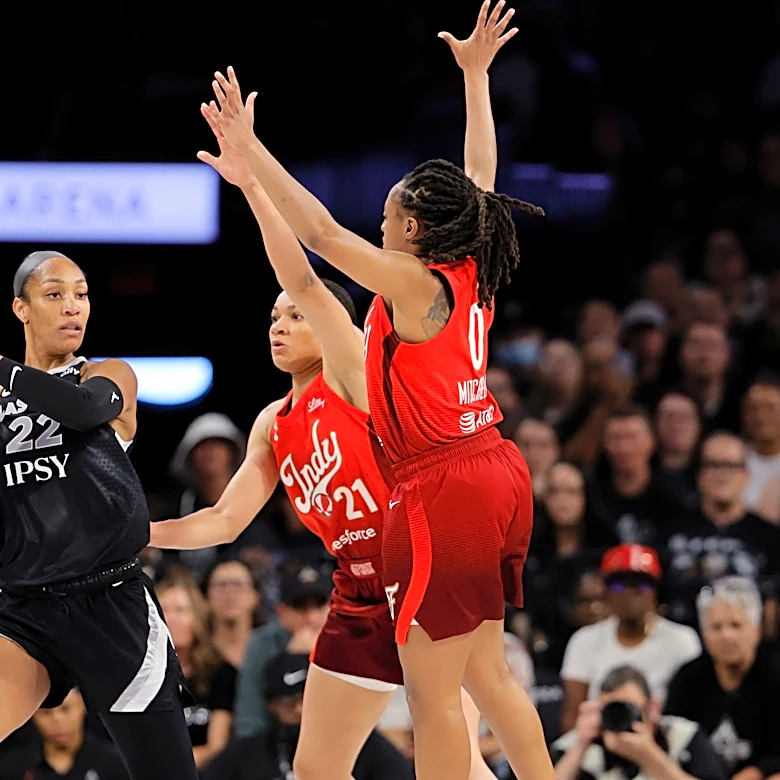
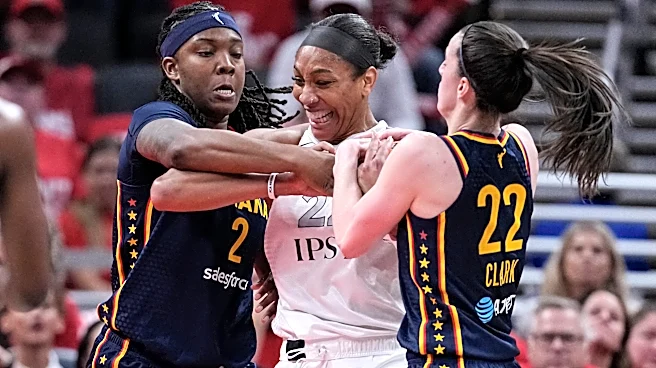
with former NBA player Stephen Jackson's earlier criticism of WNBA announcers and media for not holding players accountable. Jackson stated that WNBA players desire to be treated like NBA players but are unwilling to accept the same level of accountability for their actions. Whitlock echoed this sentiment, expressing agreement with Jackson's perspective. The controversy surrounding Wilson stems from a verbal altercation with an Indiana Fever fan during Game 2, where she reportedly rushed towards the fan after being pointed at, requiring teammates and staff to intervene. Despite calls for further discipline, the WNBA has reportedly decided against additional penalties beyond the technical foul Wilson received during the game.
Why It's Important?
This commentary from prominent sports figures like Jason Whitlock and Stephen Jackson highlights a broader discussion within sports media regarding accountability and perceived double standards between men's and women's professional leagues. The criticism suggests a belief that the WNBA, its players, and its media coverage may not be held to the same rigorous standards as the NBA. This narrative could influence public perception of the WNBA's professionalism and the fairness of its disciplinary actions. If a significant portion of the audience or media believes players are not being held accountable, it could impact viewership, sponsorship, and the league's overall credibility. The comparison to NBA players and the expectation of similar accountability underscores a desire for parity in how professional athletes are treated, regardless of gender. The incident involving A'ja Wilson, a high-profile player, brings these issues to the forefront, potentially sparking further debate on the WNBA's growth and its approach to player conduct.
What's Next?
The WNBA's decision not to impose further discipline on A'ja Wilson beyond the in-game technical foul is likely to continue to fuel discussions among sports analysts and fans regarding player accountability. This outcome may reinforce the perception among critics like Whitlock and Jackson that the league is not adequately addressing player conduct. Future incidents involving WNBA players and fans will likely be scrutinized more intensely, with comparisons drawn to this situation. The league may face continued pressure to clarify its disciplinary policies and demonstrate consistent application across all players. Media coverage will likely continue to feature debates on the WNBA's standards of conduct and whether they align with those of other major professional sports leagues. The ongoing dialogue could influence how the WNBA manages player-fan interactions and its public image moving forward.
Beyond the Headlines
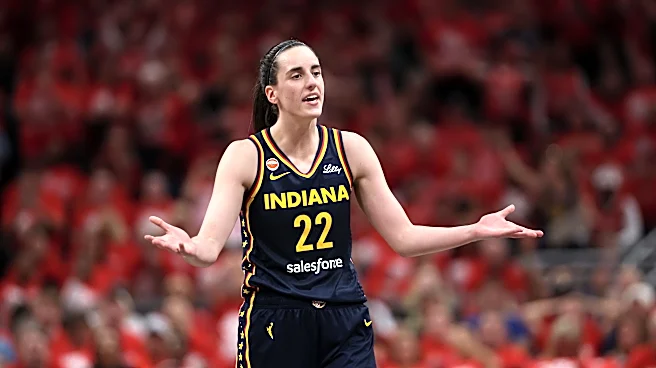
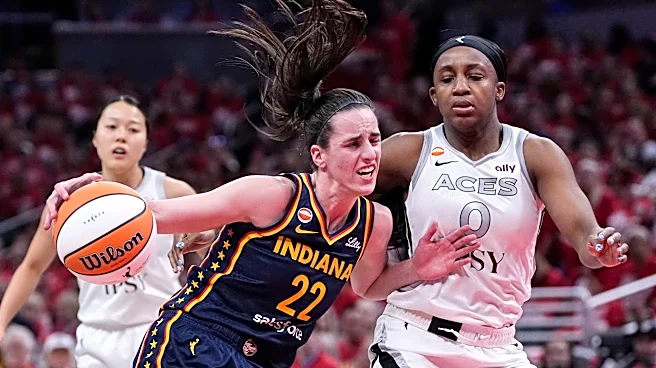
The debate surrounding A'ja Wilson's fan interaction and the subsequent commentary from Jason Whitlock and Stephen Jackson touches upon deeper societal perceptions of gender, professionalism, and equality in sports. Whitlock's assertion that WNBA players 'don't want equality' but 'want to rule over men' introduces a gender-charged dimension to the discussion, suggesting underlying tensions about the roles and expectations of female athletes. This perspective, while controversial, reflects a segment of public opinion that scrutinizes the WNBA through a lens of traditional gender roles. The comparison of the Caitlin Clark vs. A'ja Wilson dynamic to the historic Larry Bird vs. Magic Johnson rivalry, framed with a 'black-white dynamic,' further complicates the narrative by introducing racial undertones into sports analysis. This highlights how discussions about sports can become intertwined with broader cultural and social issues, influencing how athletes are perceived and how leagues are evaluated beyond their athletic performance.