





What's Happening?
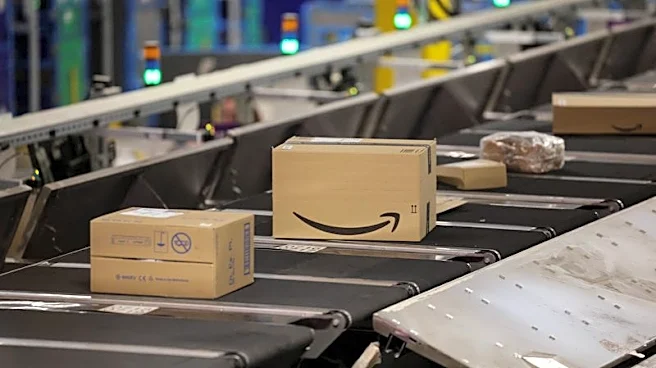
The world's largest tech companies are experiencing financial strain as they continue to invest heavily in AI infrastructure. Amazon, for instance, has increased its capital spending forecast to $220 billion, the highest among major tech firms. However,
this aggressive investment strategy has led to negative free cash flow for Amazon and other companies like Alphabet and Meta. A significant factor contributing to rising costs is the memory crunch, driven by high demand for AI processors. This has led to increased prices for memory chips, impacting the financial outlook of these companies.
Why It's Important?
The financial challenges faced by tech giants highlight the complexities of investing in cutting-edge technologies like AI. While these investments are crucial for maintaining competitive advantage and driving innovation, they also pose risks to financial stability. The memory shortage exacerbates these challenges, affecting not only tech companies but also industries reliant on AI technology. The situation underscores the need for strategic planning and risk management as companies navigate the rapidly evolving tech landscape. The outcome of these investments will have significant implications for the future of AI and the broader tech industry.
What's Next?
As tech companies continue to invest in AI, they will need to address the financial pressures and supply chain challenges associated with these investments. This may involve exploring alternative memory suppliers or investing in new technologies to mitigate costs. The industry will also need to demonstrate the long-term value of AI investments to maintain investor confidence. Regulatory scrutiny may increase as companies expand their influence in the AI sector, potentially leading to new policies and guidelines. Stakeholders will be watching closely to see how these companies adapt to the challenges and opportunities presented by AI.