






What's Happening?
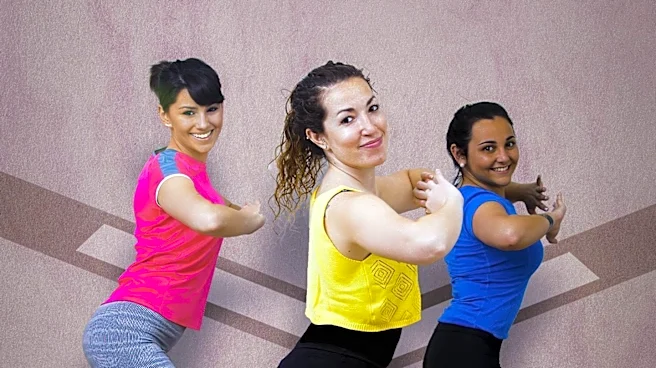
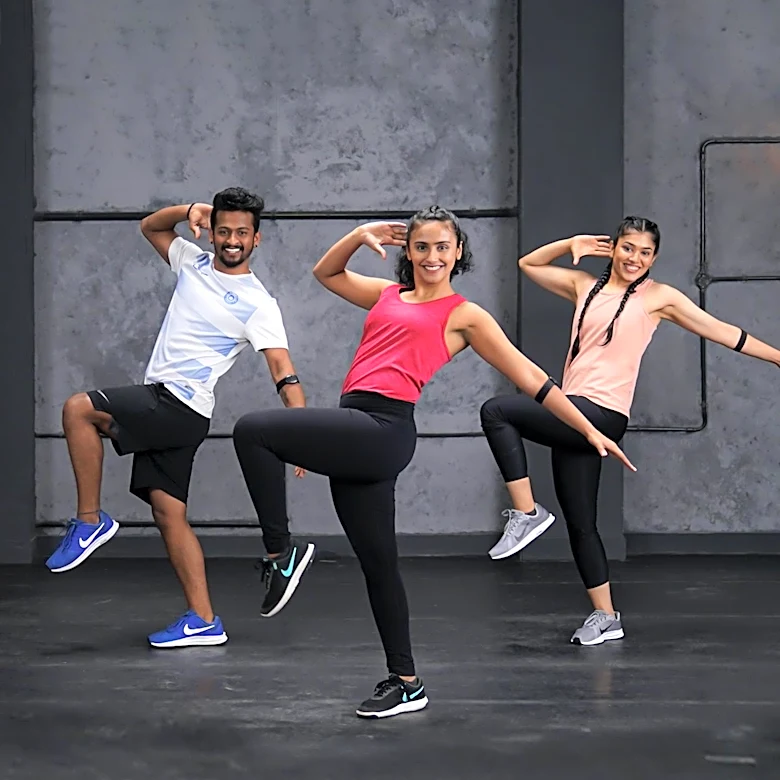
Central Health is offering free, bilingual Zumba classes to the community, aiming to promote wellness through dance and fitness. These classes are designed to blend international rhythms, providing a dynamic workout that tones and strengthens muscles,
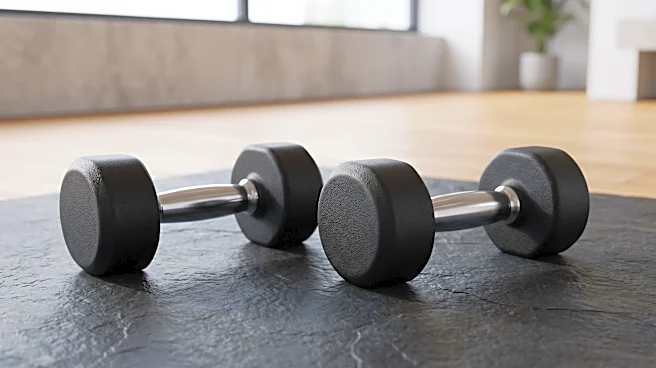
enhances coordination, improves posture, and boosts overall endurance. Participants are encouraged to arrive ten minutes early for their first session to register, as space is limited. The program emphasizes accessibility, being open to everyone in the community. Light hand weights will be provided during the sessions. Childcare services are not available, and individuals with questions can contact Central Health directly for more information.
Why It's Important?
The initiative by Central Health to provide free Zumba classes is significant for public health in the U.S., particularly for underserved communities. By offering bilingual and free classes, Central Health removes common barriers to exercise, such as cost and language, making fitness accessible to a broader demographic. This can lead to improved physical health outcomes, including better cardiovascular fitness and muscle strength, and also contribute to mental well-being by providing an enjoyable and social activity. The focus on enhancing coordination and posture can also help in preventing falls and improving functional mobility, especially among older adults. Such community-based programs are crucial in fostering healthier lifestyles and reducing health disparities, ultimately leading to a more active and engaged populace. The provision of light hand weights further supports comprehensive fitness by incorporating strength training elements.
What's Next?
The success and impact of these free Zumba classes could serve as a model for other community health organizations across the U.S. to implement similar accessible fitness programs. Central Health will likely monitor participation rates and gather feedback to assess the program's effectiveness and potential for expansion. Future considerations might include increasing the frequency of classes, exploring additional fitness modalities, or partnering with other local organizations to broaden reach. The initiative could also inspire discussions on sustainable funding models for free community wellness programs, ensuring their long-term viability. The emphasis on bilingual instruction could also prompt other health initiatives to adopt similar inclusive approaches, catering to the diverse linguistic needs of American communities.
Beyond the Headlines
Beyond the immediate health benefits, Central Health's free Zumba classes foster a sense of community and social cohesion. By bringing people together through a shared, enjoyable activity, these classes can help combat social isolation and build stronger neighborhood ties. The blend of international rhythms also serves as a cultural bridge, exposing participants to diverse musical traditions and promoting inclusivity. This initiative highlights the role of community health organizations not just in treating illness but in actively promoting wellness and preventive care. It underscores a shift towards holistic health approaches that recognize the interconnectedness of physical, mental, and social well-being. The program also subtly addresses health equity by making resources available to all, regardless of their ability to pay, challenging the notion that fitness is a luxury rather than a fundamental right.