





What's Happening?
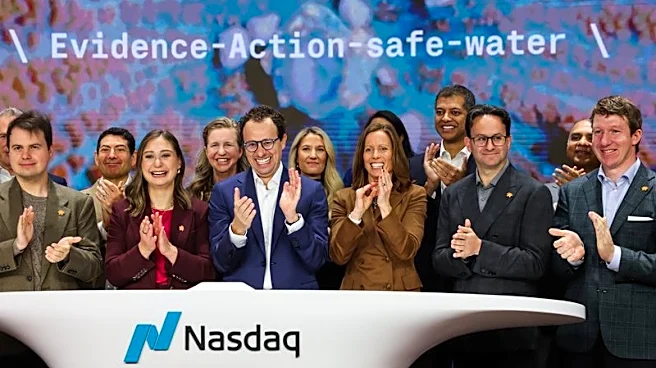
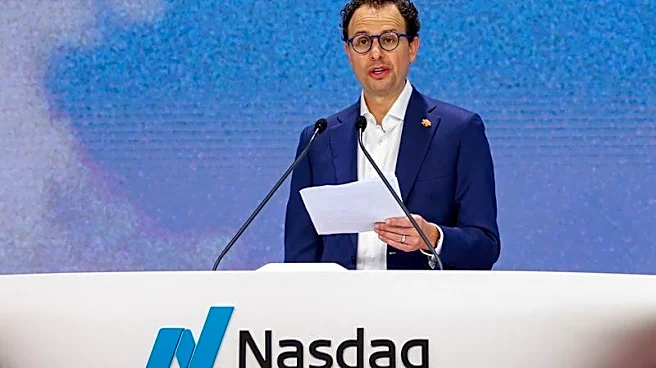
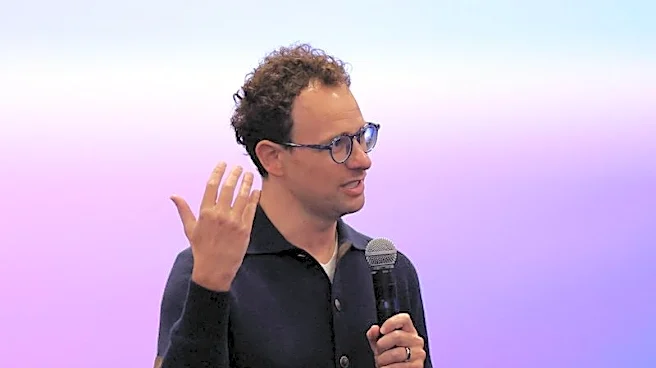
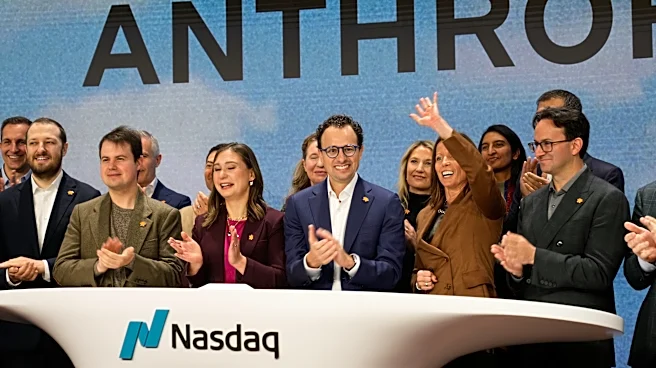
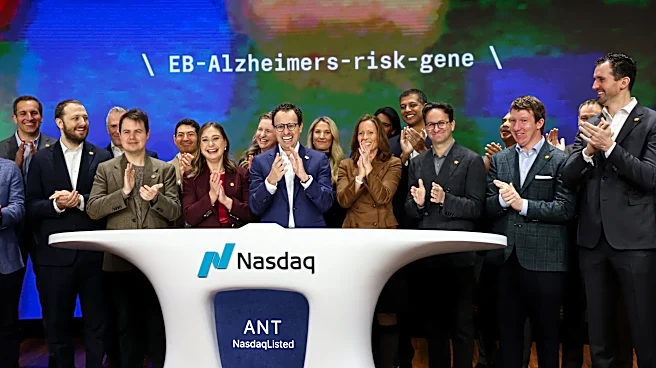
Chris Olah, a co-founder of the AI company Anthropic, is projected to achieve a net worth of approximately $20 billion following the company's initial public offering (IPO). This valuation would place him among the top 100 richest individuals globally.
Olah, at 34 years old, is noted as the youngest among Anthropic's seven founders. Each of the seven founders, including Jack Clark, Jared Kaplan, Daniela Amodei, Dario Amodei, Tom Brown, and Sam McCandlish, reportedly owns 1.3% of Anthropic. The average age of these founders is just under 39 years, with Dario Amodei being the oldest at 43. This significant financial milestone highlights the immense value being generated within the artificial intelligence sector.
Why It's Important?
The projected $20 billion net worth for Chris Olah and his co-founders underscores the explosive growth and financial potential within the artificial intelligence industry. This development signifies a major shift in wealth creation, with AI innovators rapidly ascending to the ranks of the world's wealthiest. For the U.S. economy, the success of companies like Anthropic can attract further investment into the technology sector, fostering innovation and job creation in high-tech fields. It also highlights the increasing importance of intellectual property and technological advancements as drivers of economic power. The rise of AI billionaires could also influence philanthropic endeavors and investment in future technological research, potentially shaping the direction of AI development and its societal impact.
What's Next?
The anticipated IPO of Anthropic will be a critical event, as it will solidify the valuations and net worths of its founders. Following the IPO, the company's performance in the public market will be closely watched as an indicator of investor confidence in the broader AI sector. The substantial wealth accumulated by these founders could lead to new ventures, investments in other AI startups, or significant philanthropic contributions, further influencing the technological landscape. Additionally, the success of Anthropic may inspire a new wave of entrepreneurs to enter the AI space, intensifying competition and accelerating innovation in artificial intelligence. The long-term impact of such significant wealth concentration in the AI sector on economic inequality and technological governance will also be a subject of ongoing discussion.
Beyond the Headlines
The rapid accumulation of vast wealth by AI founders like Chris Olah raises broader questions about the societal implications of advanced artificial intelligence. While it signifies technological progress and economic opportunity, it also brings into focus discussions about wealth distribution and the potential for AI to disrupt traditional labor markets. A Reddit post mentioned Olah warning about AI displacing human labor on a global scale, which adds a layer of ethical and social responsibility to the financial success of AI companies. This scenario highlights the dual nature of technological advancement: immense wealth generation for innovators alongside potential challenges for the workforce. The ethical frameworks and regulatory measures surrounding AI development and its economic impact will become increasingly crucial as these technologies continue to mature and integrate into daily life.