







What's Happening?
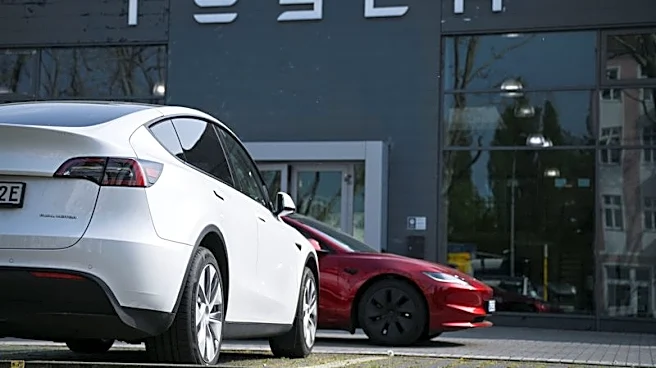
Tesla has reported a significant increase in its second-quarter deliveries, reaching 480,126 vehicles, which surpasses the Bloomberg consensus estimate of 397,466. This marks a 25% increase from the previous year and a 34% rise from the first quarter.
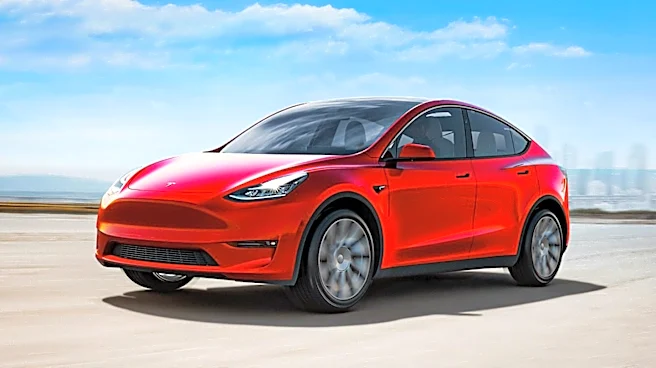
The company had faced challenges in the past year due to the transition to the new Model Y and backlash over CEO Elon Musk's political positions. Despite these issues, Tesla's sales have rebounded strongly. The company's energy and battery deployments also saw a substantial increase, although they fell slightly short of internal estimates. However, Tesla's stock experienced a sell-off, attributed to factors such as high gas prices and the end of certain market headwinds.
Why It's Important?
Tesla's robust delivery numbers highlight the company's resilience and ability to recover from previous setbacks. The increase in deliveries is significant for the electric vehicle (EV) market, indicating strong consumer demand despite political controversies surrounding its CEO. The growth in Europe, where Tesla registrations have surged, contrasts with a decline in the U.S. market due to the expiration of federal EV tax credits. This shift underscores the importance of international markets for Tesla's growth strategy. The company's performance also reflects broader trends in the automotive industry, where EVs are gaining market share as traditional gas and diesel vehicle sales decline.
What's Next?
Tesla's future performance will likely depend on its ability to navigate varying market conditions across different regions. In the U.S., the loss of federal incentives may continue to impact sales, while international markets, particularly in Europe, could drive further growth. The company's strategic focus on expanding its energy and battery deployments may also play a crucial role in sustaining its competitive edge. Stakeholders will be watching how Tesla adapts to these challenges and opportunities, as well as any potential changes in government policies that could affect the EV market.