

What's Happening?
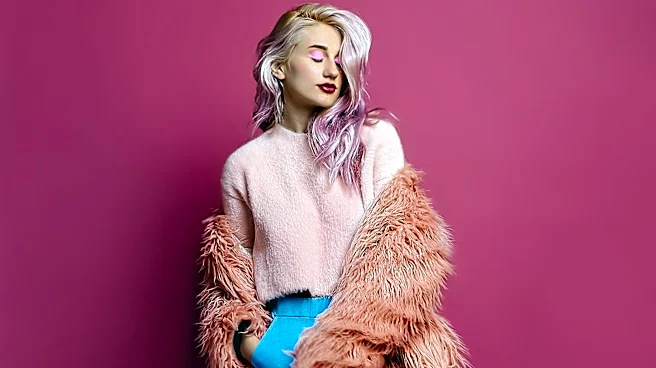
Soft grunge fashion, a contemporary interpretation of 90s grunge, is characterized by its emphasis on contrast rather than overt theatricality or cuteness. This style blends traditionally soft elements with edgy components, utilizing items like soft knits,
military jackets, low-rise denim, and office-coded pieces to create a sense of tension. The approach avoids the common pitfall of incorporating every grunge signifier simultaneously, such as plaid, ripped tights, leather, and combat boots, which can make an outfit appear like a costume. Instead, soft grunge focuses on selecting a few key signals and balancing them with cleaner, more polished items. For instance, a fuzzy knit set might be paired with dark patterns, grey socks, and heavier shoes to move away from excessive prettiness, while glasses and black tights can introduce an 'office-coded' severity. The core idea is to create an outfit that communicates mood and contradiction, allowing softness to coexist with a 'bite,' and intelligence with unruliness, rather than performing a pre-defined style label.
Why It's Important?
This evolving fashion trend reflects a broader cultural shift towards authenticity and individual expression in personal style, moving away from rigid adherence to specific aesthetic labels. For the U.S. fashion industry, this means a continued demand for versatile pieces that can be mixed and matched to create nuanced looks, rather than relying on complete, pre-packaged ensembles. Retailers and designers may find success in offering items that facilitate this 'contrast' approach, such as military-inspired jackets that can be softened with knit accessories, or low-rise denim that pairs well with structured tops. The emphasis on 'friction' over 'cosplay' suggests that consumers are seeking clothing that feels real and intentional, rather than merely trend-driven. This could influence production cycles and marketing strategies, favoring quality and adaptability over fast-fashion cycles that push singular, all-encompassing trends. Furthermore, the integration of 'office-coded' elements into a grunge aesthetic highlights a blurring of lines between professional and casual wear, potentially impacting workplace dress codes and the design of everyday apparel.
What's Next?
The continued evolution of soft grunge suggests that fashion will likely lean further into hybrid styles that defy easy categorization. Designers may explore more unconventional pairings of textures, silhouettes, and influences, encouraging consumers to experiment with their wardrobes. We can anticipate a rise in collections that offer individual pieces designed to create contrast, such as structured outerwear alongside delicate knits, or polished accessories with distressed denim. Fashion publications and influencers will likely continue to highlight the importance of personal interpretation and the avoidance of 'costume-like' dressing, reinforcing the idea that style should reflect individual personality rather than a checklist of trends. This could also lead to a greater appreciation for vintage and second-hand clothing, as consumers seek unique items that contribute to a more authentic and less 'perfect' aesthetic. The trend's emphasis on 'instability' and 'private logic' in dressing indicates a future where personal style is increasingly about subtle rebellion and nuanced self-expression.
Beyond the Headlines
The soft grunge movement, with its focus on contradiction and individual interpretation, subtly challenges the pervasive influence of social media and fast-fashion algorithms that often promote homogenized, easily digestible trends. By advocating for outfits that resist quick categorization and embrace 'friction,' it encourages a more thoughtful and less consumerist approach to fashion. This trend can be seen as a quiet rebellion against the 'mood-board machine' mentality, where algorithms dictate what is fashionable. Ethically, it promotes a more sustainable mindset by encouraging the mixing of existing wardrobe pieces and the selection of versatile items over disposable, trend-specific garments. Culturally, it reflects a desire for authenticity and a rejection of superficiality, suggesting that individuals are seeking ways to express complexity and depth through their appearance. This shift could foster greater creativity in personal styling and a deeper appreciation for the narrative potential of clothing, moving beyond mere aesthetics to communicate a more intricate sense of self.