


What's Happening?
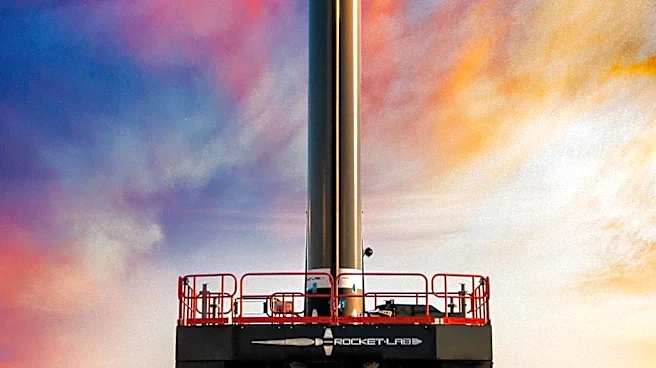
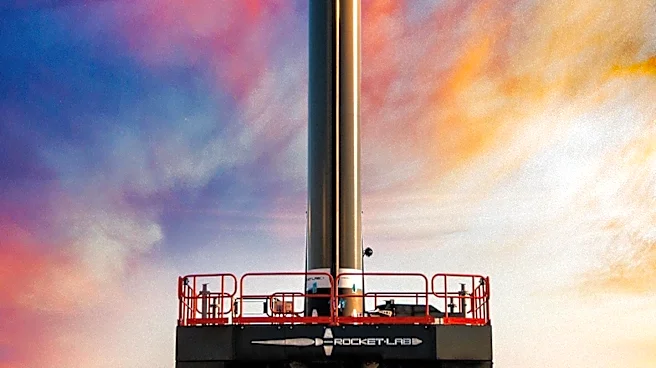
Rocket Lab (NASDAQ:RKLB) announced significant contract wins for its Neutron rocket, totaling $515 million in the third quarter. These contracts include agreements with SAR radar satellite operator Iceye, space data-center company Starcloud, and the U.S.
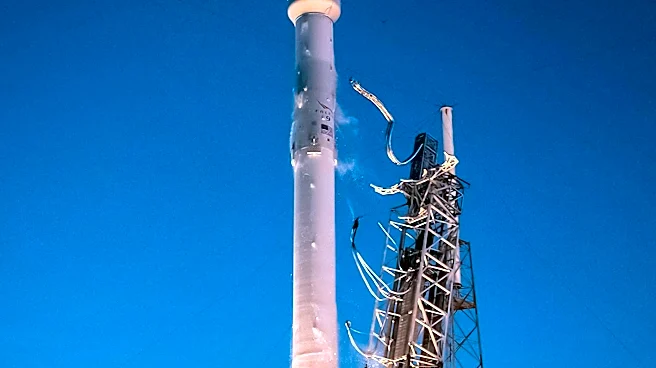
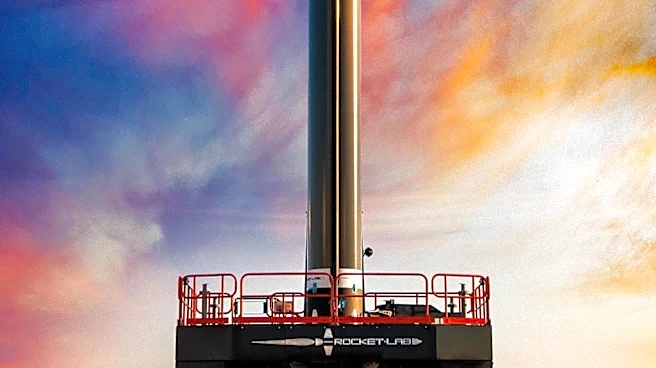
Space Force. According to CEO Peter Beck, these Neutron contracts represent over half of the nearly $1 billion in new launch contracts signed by Rocket Lab in Q3 2026. This news comes as Rocket Lab reported its earnings, showing $0.12 per share in losses, which missed analyst targets. However, the company exceeded expectations with positive GAAP operating cash flow, $268 million in revenue, and a substantial $1.2 billion boost to its backlog. The Neutron rocket, which has not yet launched, is being positioned as a potential solution to a perceived 'launch crisis' in the space industry, particularly as concerns rise about the future of SpaceX's Falcon 9 rocket.
Why It's Important?
The substantial contract wins for Rocket Lab's unlaunched Neutron rocket highlight a critical demand for launch services in the U.S. space industry. With concerns about the potential retirement of SpaceX's Falcon 9, which has been a dominant force, other providers like Rocket Lab are stepping up to fill the void. This development is crucial for companies like AST SpaceMobile and Planet Labs, which rely on consistent launch capabilities for their satellite deployments, and for NASA's missions to the International Space Station. The increased competition and diversification of launch providers could lead to more resilient and accessible space infrastructure, benefiting various sectors from defense to telecommunications. For investors, Rocket Lab's growing backlog and revenue, despite current losses, suggest a strong future outlook in a rapidly expanding market.
What's Next?
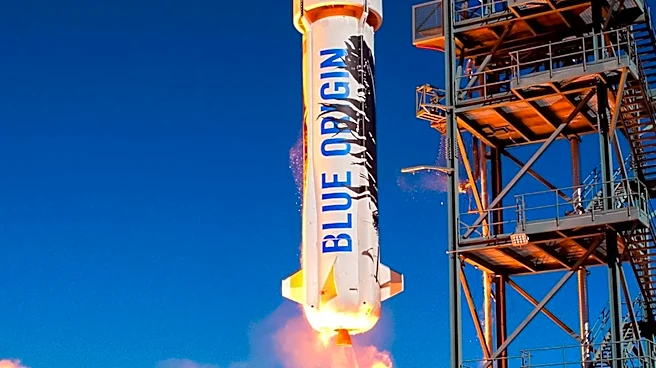
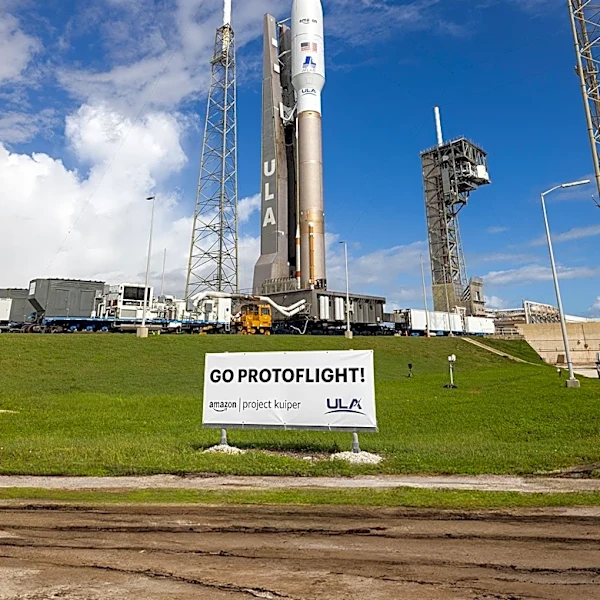
The immediate focus for Rocket Lab will be the successful development and maiden launch of its Neutron rocket. The company's ability to deliver on these contracts will be critical in establishing Neutron as a reliable alternative to existing launch vehicles. The ongoing 'launch crisis' and the efforts by other providers like Blue Origin, United Launch Alliance (a joint venture of Boeing and Lockheed Martin), and Arianespace to get their rockets operational will shape the competitive landscape. The U.S. Space Force's investment in Neutron contracts indicates a strategic move to diversify national launch capabilities, which could lead to further government contracts for Rocket Lab. The performance of Neutron in its initial launches will likely influence future pricing and market share in the increasingly competitive space launch sector.
Beyond the Headlines
The significant investment in Rocket Lab's Neutron rocket, even before its inaugural flight, underscores a broader shift in the U.S. space industry towards greater redundancy and resilience in launch capabilities. The reliance on a single dominant provider like SpaceX has created vulnerabilities, prompting a strategic push for diversification. This trend could foster innovation and accelerate technological advancements across the entire space ecosystem, from satellite manufacturing to in-orbit services. Furthermore, the involvement of the U.S. Space Force highlights the growing importance of commercial space capabilities for national security, blurring the lines between civilian and military space operations. This could lead to new regulatory frameworks and increased government oversight to ensure the stability and security of critical space infrastructure.