






What's Happening?
Tecnam, an aircraft manufacturer, is undergoing a significant transformation by integrating artificial intelligence into its production processes. Leonardo Falanga, the Head of Technology and Innovation, is leading this initiative with a vision to leverage
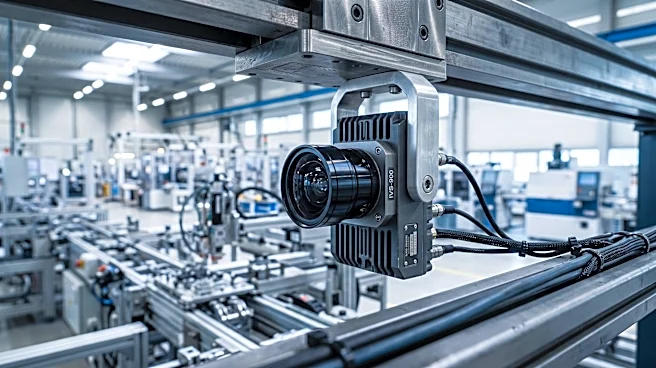
AI for improved aircraft quality, control, and efficiency. The company is implementing AI across various operational fronts, including computer vision models to inspect parts for anomalies, AI-powered Optical Character Recognition (OCR) to digitize and link paperwork, and data analytics from the production line to detect drifts and potential problems early. Additionally, Tecnam is utilizing RFID, Bluetooth tags, and smart scanning for real-time traceability of parts within its warehouses. This strategic shift aims to move beyond the hype of AI and apply it to concrete workflows, ensuring that every gesture in the manufacturing process leaves a traceable digital footprint. The company emphasizes that AI will augment human judgment rather than replace it, with human accountability remaining central to all processes.
Why It's Important?
This integration of AI by Tecnam signifies a broader trend in manufacturing, particularly in highly regulated industries like aviation, where precision and safety are paramount. By adopting AI for quality control and process optimization, Tecnam aims to reduce errors, improve traceability, and enhance overall product reliability. This approach can lead to significant cost savings by identifying defects earlier in the production cycle and streamlining documentation. For the aviation industry, this could set a precedent for how AI can be safely and effectively deployed to meet stringent regulatory requirements while boosting operational efficiency. The emphasis on human accountability alongside AI deployment also addresses concerns about job displacement and the ethical use of AI, potentially serving as a model for other companies navigating similar technological transitions. The move also highlights the importance of robust data infrastructure, as AI's effectiveness is directly tied to the quality and organization of the underlying data.
What's Next?
Tecnam plans to continue its phased implementation of AI across its manufacturing operations, focusing on concrete workflows where AI can demonstrate measurable improvements. The company is also investing in employee training, offering AI courses to staff across all departments to ensure widespread understanding and adoption of the new technologies. This educational initiative aims to empower employees to recognize AI's benefits and use it safely, fostering a culture of innovation and collaboration. Future developments will likely involve further integration of AI into design processes, predictive maintenance, and supply chain management. As Tecnam gathers more data and refines its AI models, it anticipates continuous improvements in manufacturing precision, quality assurance, and operational transparency, potentially influencing industry best practices for AI adoption in aviation.
Beyond the Headlines
Beyond the immediate operational benefits, Tecnam's AI integration reflects a deeper philosophical shift in how traditional industries can embrace advanced technology. The company's focus on 'problem first, technology second' underscores a pragmatic approach to innovation, avoiding the pitfalls of adopting technology for its own sake. This strategy also highlights the critical role of data infrastructure and data governance in successful AI deployment, emphasizing that AI is only as effective as the data it processes. Ethically, Tecnam's commitment to human accountability and employee involvement in the AI transformation addresses concerns about the human element in an increasingly automated world. This approach suggests a model where AI serves as a powerful tool to enhance human capabilities and decision-making, rather than replacing them, fostering trust and collaboration within the workforce. This could lead to long-term shifts in workforce development and training across manufacturing sectors.