



What's Happening?
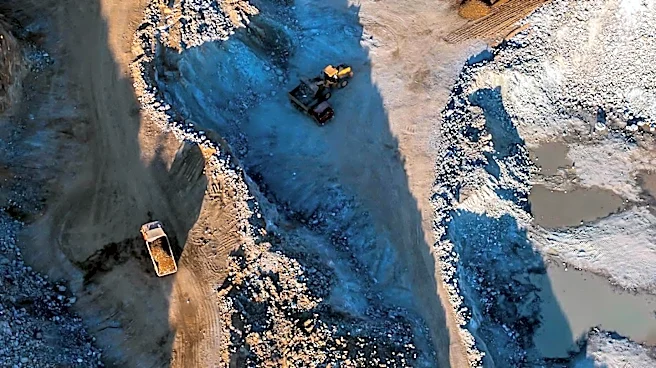
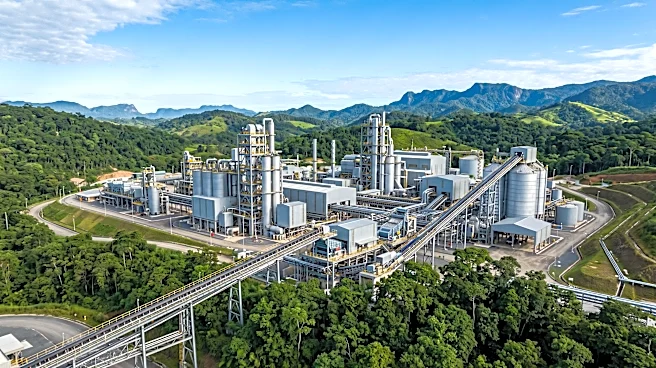
Viridis Mining and Minerals has finalized a binding long-term offtake agreement with Rhodia Operations, a Solvay group company, for the supply of mixed rare earth carbonate (MREC) from its Colossus Rare Earth Project in Brazil. The agreement is slated
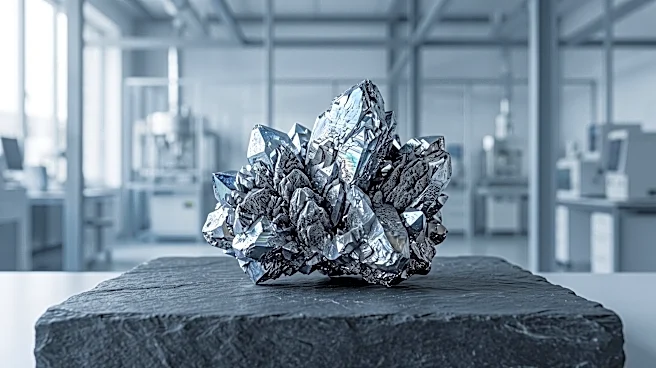
to commence with the project's first production, targeted for 2028, and will extend until December 31, 2034. Under the terms, Solvay will procure a minimum of approximately 70% of Colossus' projected MREC output during the initial period. This deal encompasses seven rare earth elements, including neodymium, praseodymium, terbium, samarium, dysprosium, yttrium, and gadolinium. The minimum volumes for key magnetic rare earths like neodymium, dysprosium, praseodymium, and terbium are expected to represent about 64% of the anticipated production for these elements over a six-year take-or-pay period starting in 2029. Viridis anticipates these minimum volumes to generate around $915 million in revenue, based on contractual price floors, provided delivery commitments are met. Solvay also holds the right of first offer for any remaining MREC output until the end of 2034, though it is not obligated to purchase beyond its minimum commitment. Since June 2026, Viridis' demonstration plant in Poços de Caldas has been supplying MREC to Solvay's La Rochelle separation facility in France for product qualification.
Why It's Important?
This long-term supply agreement is significant for the U.S. and global rare earth supply chain as it aims to diversify sources of critical magnetic rare earths, which are essential for various high-tech industries, including electric vehicles, renewable energy, and defense. Currently, the global supply of these elements is heavily concentrated in a few regions, making the supply chain vulnerable to geopolitical disruptions. By securing a substantial portion of its rare earth needs from a Brazilian project, Solvay, a major player in the chemical industry, contributes to strengthening the Western rare earth value chain. This partnership could reduce reliance on existing dominant suppliers, fostering greater stability and resilience in the market for these vital materials. The projected revenue of $915 million for Viridis underscores the economic scale and potential impact of this project on the rare earth market, offering a more geographically diverse and secure supply route for U.S. and European manufacturers.
What's Next?
The Colossus project has completed its definitive feasibility study, and equity funding has been secured, with project execution already underway. First production is targeted for 2028, marking a critical milestone for the agreement's commencement. Viridis and Solvay are also in discussions regarding a licensing and technical services agreement (LTSA), which would involve Solvay providing technology and technical support to further refine MREC in Brazil. This potential collaboration could enhance the efficiency and quality of the rare earth processing, further integrating the supply chain. The agreement also includes an option for a five-year extension, subject to mutual agreement, indicating a long-term strategic partnership. The successful implementation of this project could encourage further investment in rare earth mining and processing outside traditional supply hubs, potentially leading to a more diversified and robust global rare earth market.
Beyond the Headlines
This agreement highlights a broader strategic shift towards localizing and diversifying critical mineral supply chains, driven by increasing geopolitical tensions and the growing demand for rare earths in advanced technologies. The emphasis on establishing a Western rare earth separation group capable of providing a credible route to market addresses a key commercial risk for projects like Colossus. The potential LTSA with Solvay to refine MREC in Brazil could also signify a move towards more in-country value addition, fostering economic development in resource-rich nations while securing supply for consuming countries. This trend could lead to the development of new processing technologies and infrastructure, reducing the environmental footprint associated with rare earth extraction and refining, and promoting more sustainable practices in the industry. The long-term implications include a more resilient global economy less susceptible to supply shocks in critical raw materials.