





What's Happening?
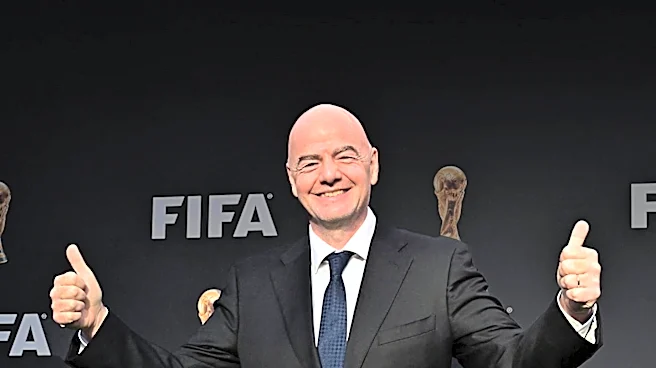
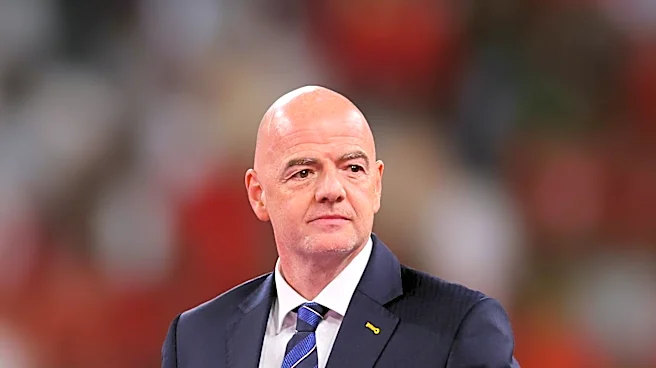
Chris Martin, the vocalist for Coldplay, reportedly gifted a grand piano, valued at tens of thousands of dollars, to FIFA President Gianni Infantino. This gift was not declared to FIFA, according to The Telegraph. The piano was delivered to Infantino's
Miami residence in the spring. FIFA's code of conduct, specifically Article 21, prohibits officials from accepting gifts unless they are of 'symbolic or trivial value,' a category the piano's significant worth likely exceeds. The gift is believed to be in appreciation for Infantino's approval of a halftime show, organized by Martin, at the last World Cup final, which featured Coldplay and other artists. This halftime show itself was controversial due to its extension of the standard 15-minute break to 30 minutes, introducing a practice more common in American football than European soccer.
Why It's Important?
This undeclared gift raises significant questions regarding transparency and ethical conduct within international sports organizations. For FIFA, an organization that has faced scrutiny over governance and corruption in the past, such an incident could undermine ongoing efforts to rebuild public trust and uphold its code of conduct. The alleged failure to declare a high-value gift to a top official like Infantino could set a problematic precedent, suggesting that personal favors might influence official decisions. Furthermore, the report suggests potential tax implications for Infantino in the U.S. if the gift was not declared to American tax authorities. This situation highlights the challenges in maintaining strict ethical standards when high-profile individuals and organizations interact, especially when large sums and significant events are involved.
What's Next?
The immediate next steps will likely involve an internal review by FIFA into the alleged non-declaration of the gift by President Infantino. Depending on the findings, Infantino could face disciplinary action in accordance with FIFA's code of conduct. Additionally, U.S. tax authorities may investigate whether the gift constitutes undeclared income or an asset, potentially leading to legal or financial repercussions for Infantino. The incident could also prompt a broader re-evaluation of FIFA's gift policies and enforcement mechanisms to prevent similar situations in the future. Public and media scrutiny will likely continue, pressuring FIFA to demonstrate accountability and transparency in its handling of the matter.
Beyond the Headlines
Beyond the immediate ethical and compliance issues, this incident touches upon the broader intersection of entertainment, sports, and influence. The alleged motivation behind the gift—gratitude for securing a high-profile performance slot—suggests a potential blurring of lines between professional relationships and personal favors. This raises questions about how decisions regarding major sporting events, such as the World Cup, are made and whether they are always based purely on merit or commercial considerations. It also highlights the power dynamics at play when global celebrities interact with leaders of international organizations, potentially creating an environment where standard protocols can be overlooked. The controversy could reignite debates about the need for stricter regulations and independent oversight in sports governance to ensure fairness and prevent undue influence.