



What's Happening?
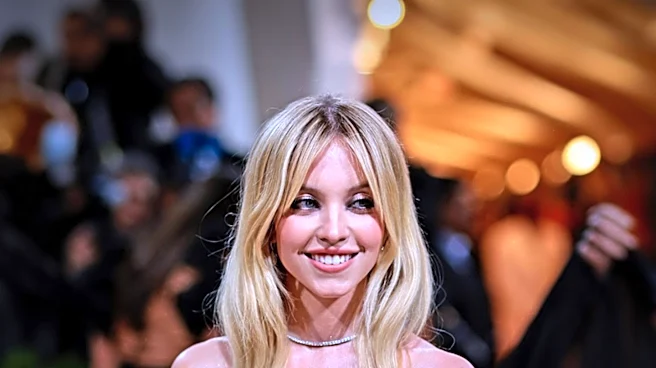
Former Formula 1 grid girl and glamour model Leilani Dowding has publicly stated her desire to see Hollywood actress Sydney Sweeney serve as a grid girl at the Las Vegas Grand Prix. Dowding, who appeared on the F1 grid multiple times in the early 2000s,
believes Sweeney would be a "fantastic grid girl" and would "make so many people angry," particularly those who advocated for the banning of models from the grid in 2018. Dowding's comments come after Sweeney reportedly caused controversy among fans and sports stars for appearing naked in a sports betting advertisement, which some argued sexualized women in sport. Dowding has been outspoken against the ban, viewing it as a "virtue signal" and arguing that grid girls enjoyed their roles and did not feel objectified.
Why It's Important?
This discussion is important as it reignites the debate surrounding the role of women in sports, particularly in high-profile events like Formula 1. The original decision to remove grid girls in 2018 was a significant move towards addressing concerns about objectification and promoting a more inclusive image in sports. Dowding's suggestion, and her reasoning that Sweeney would "make people angry," highlights a persistent tension between traditional glamour in sports and evolving societal standards regarding gender representation. If Sweeney were to take on such a role, it could provoke renewed controversy, potentially dividing sports fans, media, and advocacy groups on issues of sexism, empowerment, and the commercialization of sports. This conversation impacts how major sporting events in the U.S. and globally navigate their public image and engagement with diverse audiences.
What's Next?
Currently, there is no indication that Sydney Sweeney will accept a role as a grid girl for the Las Vegas Grand Prix. However, Dowding's public comments could generate further discussion within sports and entertainment circles. The F1 organization, which previously banned grid girls, would likely face significant pressure and scrutiny if such a role were to be reintroduced or if a high-profile figure like Sweeney were to take on a similar, unofficial capacity. This situation could lead to statements from F1 officials, fan reactions on social media, and potentially renewed calls from advocacy groups regarding gender representation in sports. The broader conversation about the appropriateness of using models in sports events is likely to continue, especially as major events seek to balance tradition with modern values.
Beyond the Headlines
Beyond the immediate suggestion, this story delves into the complex interplay of celebrity, gender, and commercialism in sports. Leilani Dowding's perspective, rooted in her own experience, challenges the narrative that grid girls were inherently exploited, suggesting instead that the ban was driven by external "miserable, jealous people." This raises questions about who defines appropriate representation in sports and whether such decisions truly empower women or merely shift the form of their public presence. The mention of Sweeney's controversial sports betting ad further complicates the issue, highlighting how female celebrities navigate their image in commercial ventures. This ongoing debate reflects deeper societal tensions about feminism, freedom of expression, and the commercial exploitation of the female form in public spaces.