


What's Happening?
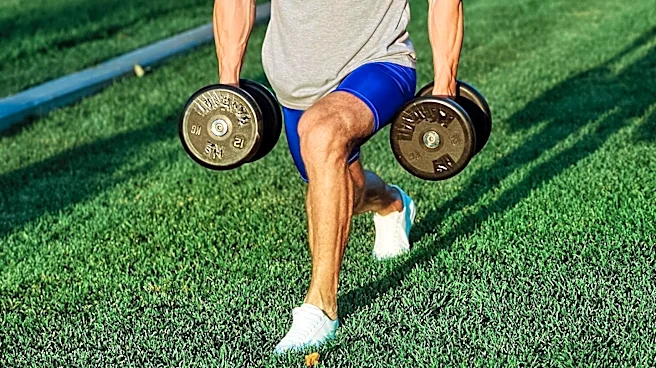
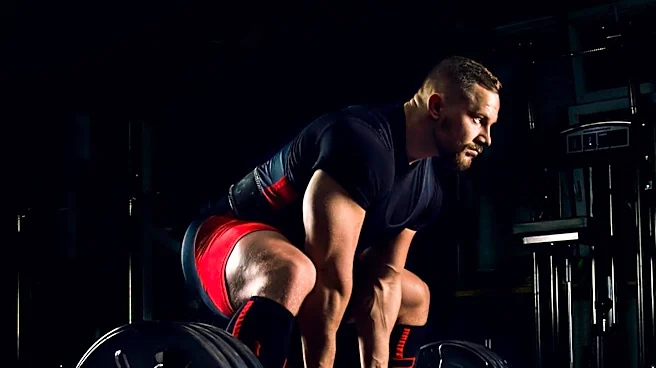
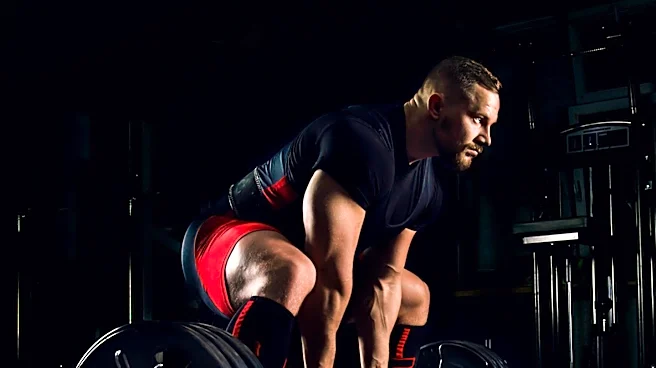
The Center for Vein (CVR) advises individuals with varicose veins to exercise caution when engaging in weightlifting and other forms of heavy lifting. While running, squats, and lunges are not universally prohibited and can be safe for many, heavy lifting requires
extra consideration. The primary concern stems from the potential for straining or holding one's breath during strenuous activities, which can temporarily increase pressure within the abdomen and leg veins. This increased pressure can exacerbate symptoms or worsen the condition of varicose veins. CVR suggests that if individuals with varicose veins choose to strength train, they should opt for lighter weights, perform controlled repetitions, and consciously exhale during the effort to minimize internal pressure. They also recommend consulting a physician for exercise modifications, especially if symptoms are substantial or if an intense program is being considered.
Why It's Important?
This guidance from the Center for Vein is crucial for public health, particularly for the significant portion of the U.S. population affected by varicose veins. Varicose veins are a common condition influenced by factors such as family history, age, pregnancy, and prolonged standing. Without proper precautions, certain exercises, especially heavy lifting, could worsen the condition, leading to increased discomfort, swelling, or even more severe venous issues. By providing clear recommendations, CVR helps individuals manage their health proactively, allowing them to maintain physical activity while mitigating risks. This information is vital for fitness enthusiasts, older adults, and anyone with a predisposition to varicose veins, ensuring they can pursue strength training safely. It also highlights the importance of personalized medical advice in exercise, emphasizing that general fitness guidelines may need adjustment based on individual health conditions.
What's Next?
Individuals with varicose veins who wish to engage in weightlifting are encouraged to adopt specific modifications. These include using lighter weights, focusing on controlled movements, and ensuring proper breathing techniques, particularly exhaling during exertion. CVR also recommends a gradual increase in exercise duration or intensity, wearing comfortable shoes, and taking breaks when legs feel tired. Elevating legs after exercise may help relieve heaviness or swelling. Graduated compression stockings can be beneficial for some patients, but their use and appropriate compression level should be determined by a healthcare professional. Most importantly, CVR advises seeking medical evaluation if symptoms persist or worsen, or if new symptoms like skin discoloration, thickened skin, or non-healing sores appear. Urgent medical attention is required for sudden swelling in one leg accompanied by pain, warmth, or redness, as these could indicate a blood clot.
Beyond the Headlines
The advice from the Center for Vein underscores a broader principle in health and fitness: the necessity of tailoring exercise to individual physiological conditions. This moves beyond a 'one-size-fits-all' approach to physical activity, promoting a more nuanced understanding of how different body systems respond to stress. Ethically, it highlights the responsibility of healthcare providers and fitness professionals to educate individuals about potential risks and modifications. Culturally, it could foster a greater appreciation for mindful movement and self-awareness during exercise, encouraging people to listen to their bodies rather than pushing through discomfort. Long-term, integrating such personalized guidance into mainstream fitness could lead to healthier exercise habits, fewer exercise-related injuries or exacerbations of chronic conditions, and ultimately, a more sustainable approach to lifelong physical activity for all Americans.