




What's Happening?
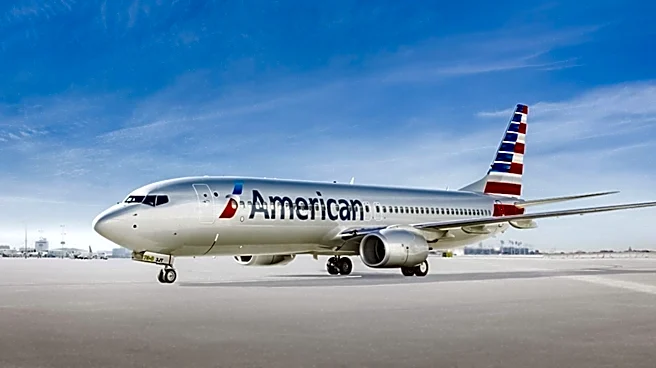
American Airlines is set to reintroduce seatback screens and increase its premium seating options across its narrowbody fleet, aiming to narrow the profit gap with competitors like Delta Air Lines and United Airlines. New aircraft deliveries from Boeing
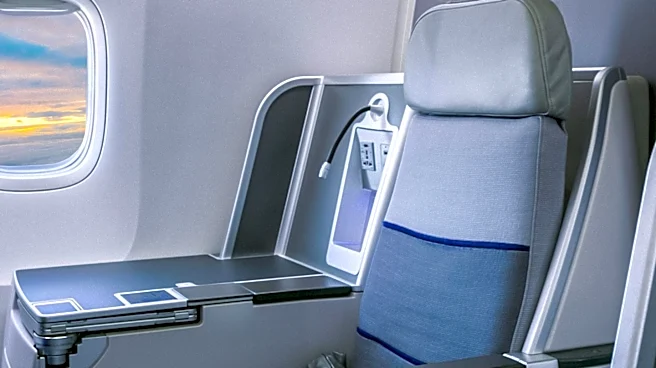
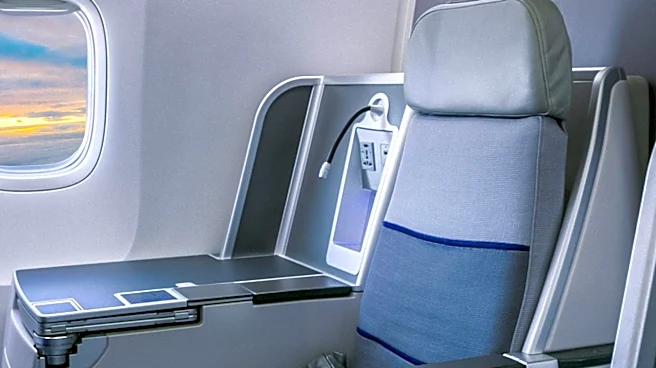
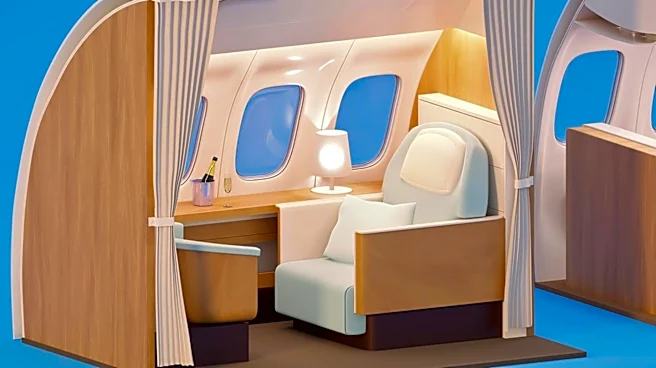
and Airbus starting in 2028 will feature 4K displays, Bluetooth audio pairing, and USB-C charging. The airline also plans to retrofit existing aircraft with these amenities. This move marks a significant shift for American Airlines, which previously opted against seatback screens dueoting to cost and weight concerns, expecting passengers to use their personal devices for entertainment. Chief Customer Officer Heather Garboden noted the significant advancements in technology since that decision, emphasizing customer preference and satisfaction improvements as revenue drivers. The revamp will also include more first-class seats on Airbus A321neos and Boeing 737 Max 10s, along with additional extra legroom seats across the fleet. The installations are projected to be completed in the early 2030s.
Why It's Important?
This strategic decision by American Airlines is crucial for its competitive standing in the U.S. airline industry. By investing in enhanced in-flight entertainment and expanding premium seating, American aims to attract and retain high-value customers who often prioritize comfort and amenities. The increased number of premium seats, which can command significantly higher fares, is a direct effort to boost revenue and profitability, addressing the current profit disparity with rivals. This move reflects a broader industry trend where airlines are increasingly differentiating themselves through passenger experience, especially in the premium cabin market. For passengers, it means a more comfortable and entertaining travel experience on American Airlines flights. For the airline, it represents a substantial capital investment in fleet modernization and cabin upgrades, signaling a long-term commitment to improving its product offering and market position. The decision also impacts aircraft manufacturers like Boeing and Airbus, as airlines continue to demand advanced cabin features in new deliveries.
What's Next?
American Airlines will begin integrating the new 4K seatback screens and expanded premium seating with new aircraft deliveries from Boeing and Airbus starting in 2028. Concurrently, the airline will commence retrofitting its existing narrowbody fleet, a process expected to extend into the early 2030s. This phased rollout means passengers will gradually see these improvements across American's network. The airline will also continue to evaluate options for new wide-body planes from Boeing and Airbus, potentially incorporating similar premium enhancements. The success of this initiative will be closely watched by industry analysts and competitors, as it could influence future investment decisions across the sector. American Airlines will likely monitor customer feedback and revenue generation from these upgrades to refine its long-term cabin strategy. The Federal Aviation Administration (FAA) will also be involved in certifying the modifications to ensure compliance with safety regulations.
Beyond the Headlines
This move by American Airlines signifies a broader shift in the airline industry's approach to passenger experience and revenue generation. The initial decision to remove seatback screens was driven by cost-cutting and weight reduction, reflecting a utilitarian view of air travel. The reversal indicates a recognition that in-flight amenities are no longer just a luxury but a competitive necessity, especially in a market where customer loyalty is increasingly tied to perceived value and comfort. This could lead to a 'premiumization' trend across the industry, where even economy class offerings are enhanced to some degree. Furthermore, the integration of advanced technology like 4K displays and Bluetooth audio could set new standards for in-flight entertainment, pushing other airlines to innovate. The long-term impact could be a more comfortable and technologically integrated travel experience for passengers, but also potentially higher ticket prices as airlines seek to recoup their investments in these upgrades.