







What's Happening?
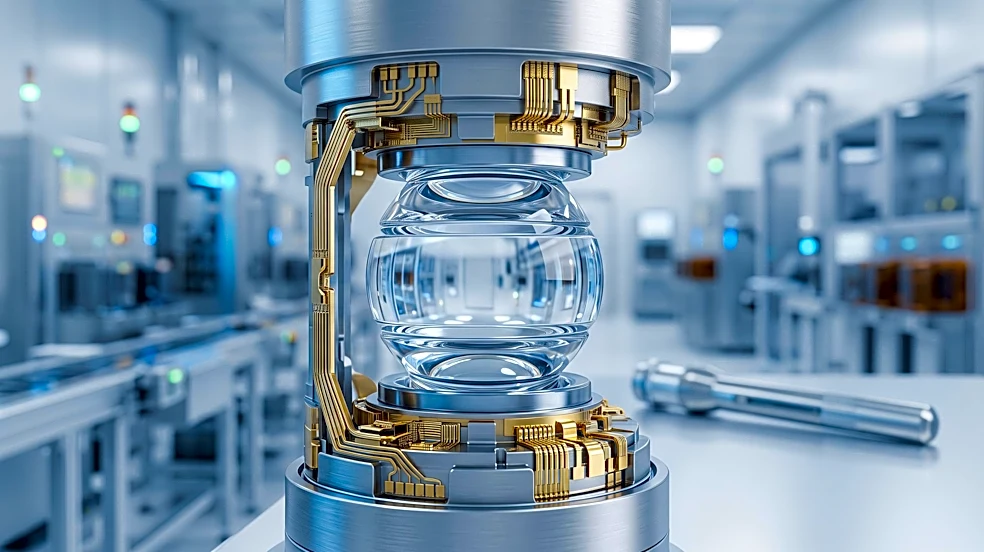
ASML Holding NV, a dominant player in the semiconductor equipment industry, continues to hold a monopoly in Extreme Ultraviolet (EUV) lithography. This position is reinforced by the technical complexity, intellectual property protections, and high barriers
to entry associated with EUV technology. No other company currently produces comparable systems, granting ASML unparalleled leverage in negotiations with major foundries such such as TSMC, Samsung, and Intel. This structural advantage translates into long-term revenue visibility and pricing resilience for ASML. The company's strategic position is further solidified by the surging demand for artificial intelligence (AI) hardware, which requires high-performance chips and supporting infrastructure, all dependent on ASML's EUV machines.
Why It's Important?
ASML's monopoly in EUV lithography is critically important for the U.S. semiconductor industry and its technological advancement. U.S. chip manufacturers like Intel rely on ASML's technology to produce the most advanced semiconductors, which are essential for everything from cutting-edge AI applications to national defense systems. This dependence means that ASML's operational stability and technological progress directly impact the competitiveness and innovation capabilities of U.S. tech companies. The long-term revenue visibility and pricing resilience for ASML also suggest stable, albeit potentially high, costs for U.S. foundries, influencing their investment strategies and ultimately the cost of advanced electronics for consumers and businesses. Furthermore, ASML's irreplaceable role in the supply chain highlights the global interconnectedness of the semiconductor ecosystem and the strategic importance of key technology providers.
What's Next?
ASML is expected to continue benefiting from the increasing demand for advanced chips, particularly those driven by AI. The company will likely focus on further developing its EUV technology, including next-generation high-NA EUV systems, to meet the evolving needs of its foundry clients. However, ASML also faces challenges such as cyclical exposure within the semiconductor industry, geopolitical constraints like U.S.-China export controls, and the need to manage supply chain issues. These factors could influence its market access and operational efficiency. While no direct competition in EUV lithography is foreseen in the near to mid-term, ASML will need to monitor potential long-term disruptions from alternative computing architectures, though these are not yet commercially viable.
Beyond the Headlines
ASML's unique position in the semiconductor industry has profound geopolitical implications. Its control over EUV lithography tools makes it a critical choke point in the global technology supply chain, giving it significant influence over which nations and companies can produce the most advanced chips. This has led to increased scrutiny and pressure from governments, including the U.S., regarding export controls and technological sovereignty. The ongoing "chip wars" and efforts by various countries to build domestic semiconductor capabilities underscore the strategic importance of ASML's technology. The company's decisions and operational resilience are not just business matters but are intertwined with national security and economic power dynamics on a global scale.