

What's Happening?
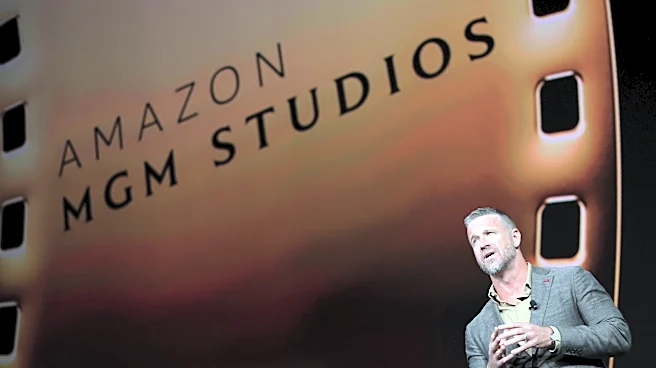
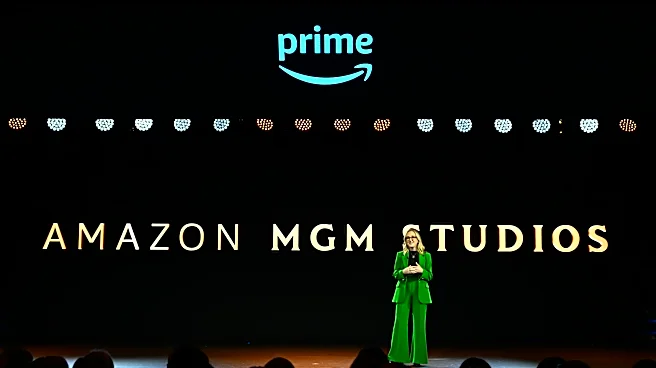
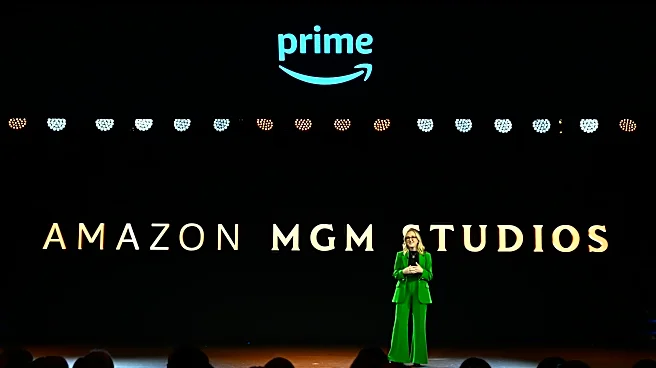
Amazon has acquired most of the rights and creative control over the future development and films of the James Bond franchise, concluding the Broccoli family's six-decade-long stewardship. This development follows Amazon's 2022 acquisition of MGM Studios
for $8.45 billion, which included distribution rights and a share of the franchise. An additional $1 billion payment in March 2025 finalized the transfer of creative control, though the Broccoli family will remain formal partners. For over 60 years, the Broccoli family, primarily Barbara Broccoli and Michael G. Wilson, meticulously guarded the franchise, controlling aspects from casting to production pace, prioritizing 'quality over quantity.' This approach resulted in only 25 official films since 1962, grossing approximately $7.8 billion globally. The franchise is also renowned for its lucrative product placement and cross-promotional deals, which have historically covered a significant portion of production costs, with recent installments like 'Spectre' and 'No Time to Die' seeing deals estimated at $100 million per film.
Why It's Important?
This shift in control marks a pivotal moment for one of Hollywood's most enduring and financially successful franchises. Amazon's full creative oversight could lead to a significant change in the production strategy for James Bond films, potentially moving away from the Broccoli family's 'quality over quantity' approach. As a streaming giant, Amazon is driven by subscriber growth and content volume, which might lead to an increased pace of film releases, television spinoffs, or projects centered on supporting characters. This could either expand the franchise's reach or risk saturating the market and eroding the exclusive aura that has historically attracted lucrative sponsorship deals and drawn audiences to cinemas. The James Bond franchise's business model, heavily reliant on product placement and cross-promotional deals, generates substantial revenue even before box office sales. Any changes to the brand's exclusivity or perceived quality could impact these valuable partnerships, which have seen brands like Omega, BMW, and Heineken invest millions for association with 007.
What's Next?
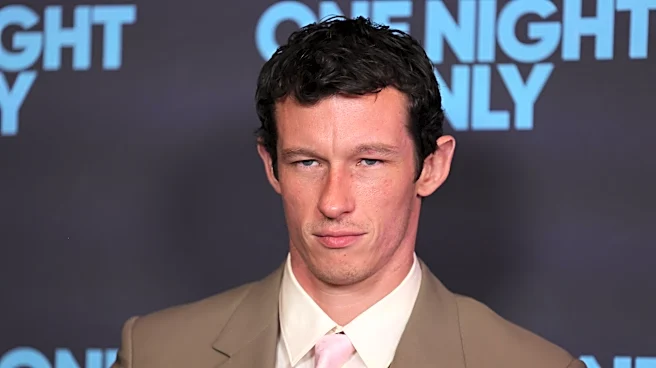
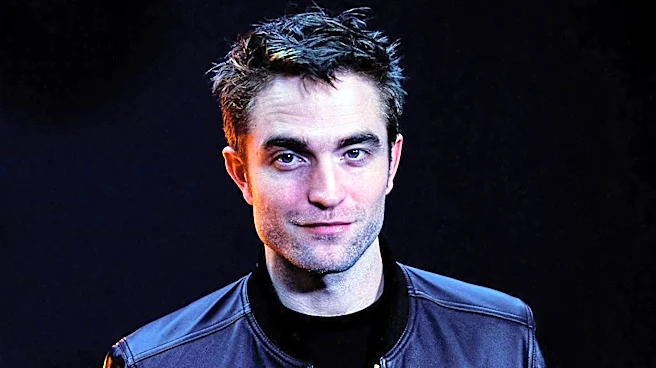
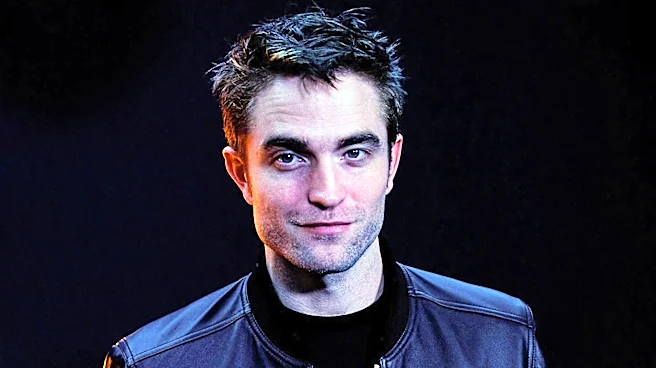
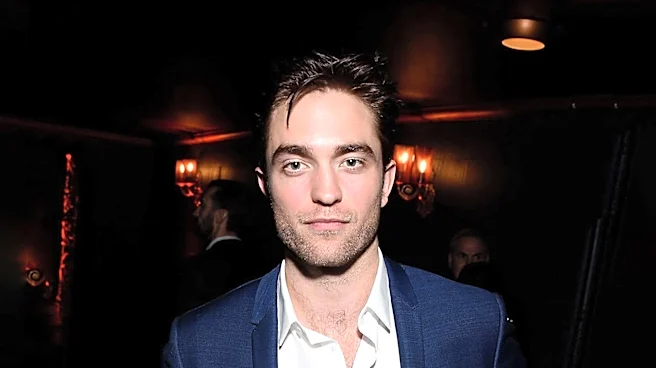
With Amazon now largely in control, the future direction of the James Bond franchise is subject to potential changes. The company will face the challenge of balancing the franchise's established prestige and scarcity with its own business model focused on content volume for Prime Video. This could involve exploring new formats, such as television series or spin-offs, which the Broccoli family previously resisted. The selection of the next James Bond, reportedly Robert Pattinson, will be a critical decision, setting the tone for the new era. The impact on product placement deals will also be closely watched; maintaining the brand's high-end image will be crucial to retaining and attracting premium sponsors. The coming years will reveal whether Amazon's strategy will successfully expand the franchise while preserving its iconic status, or if it will dilute the brand's unique appeal.
Beyond the Headlines
The transfer of creative control for the James Bond franchise to Amazon highlights a broader trend in the entertainment industry: the increasing consolidation of intellectual property under major tech and streaming companies. This move reflects the strategic importance of established franchises in the streaming wars, as companies like Amazon seek to bolster their content libraries and attract subscribers. The long-standing success of the Bond franchise, built on a careful balance of cinematic quality, brand exclusivity, and strategic product integration, offers a case study in intellectual property management. The challenge for Amazon will be to integrate this legacy into its high-volume content strategy without compromising the brand's unique appeal. This situation also raises questions about the future of traditional filmmaking versus streaming-driven content, and how iconic characters will be adapted for new media consumption patterns, potentially altering their cultural impact and commercial viability in the long term.