






What's Happening?
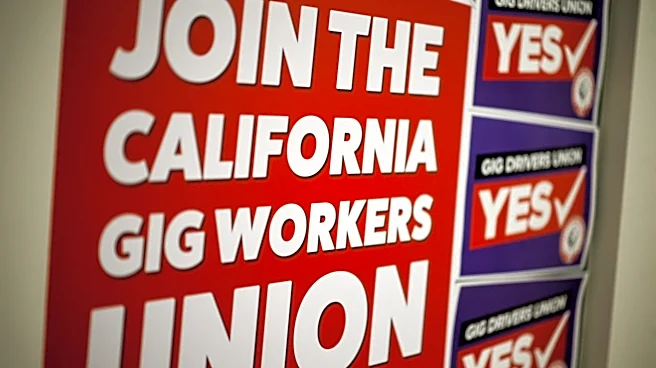
Drivers at Amazon’s DBK1 facility in Woodside, Queens, have successfully organized with Teamsters Local 804, marking another step in the nationwide movement of Amazon drivers joining the Teamsters. These drivers are seeking improved pay, better health
care benefits, and enhanced job security from the e-retail giant. This group joins hundreds of their colleagues who unionized with the Teamsters last year, collectively challenging Amazon’s 'Delivery Service Partner' (DSP) business model. The Teamsters assert that this model allows Amazon to evade accountability and legal liabilities while exploiting workers. Concurrently, Amazon Teamsters in New York City are actively advocating for the passage of the Delivery Protection Act, a proposed legislation that would prohibit captive subcontracting for deliveries within the city, compelling companies to directly employ their drivers. The bill has garnered significant support from the City Council and the mayoral administration.
Why It's Important?
This unionization effort at Amazon's DBK1 facility is significant as it represents a growing trend of labor organizing within one of the largest e-commerce companies in the U.S. The success of these drivers in joining the Teamsters could inspire similar movements at other Amazon facilities nationwide, potentially leading to broader changes in working conditions and compensation across the logistics industry. The challenge to Amazon's DSP model highlights a critical debate about corporate responsibility and worker classification, which has implications for labor laws and employee rights. If the Delivery Protection Act passes in New York City, it could set a precedent for other municipalities, forcing major delivery companies to re-evaluate their employment practices and potentially leading to more direct employment of drivers, which would significantly impact the gig economy and contract labor models.
What's Next?
The Teamsters Amazon National Negotiating Committee (TANNC) is extending picket lines at DBK1, demanding that Amazon cease its alleged unfair labor practices and begin negotiating a union contract for over 10,000 organized workers nationwide. The immediate next step for the DBK1 drivers and Teamsters Local 804 will be to push for Amazon to recognize the union and engage in collective bargaining. The fate of the Delivery Protection Act in the New York City Council will also be a key development; its passage could significantly alter the landscape for delivery drivers in the city and potentially influence legislative efforts in other regions. Amazon is expected to resist these unionization efforts and legislative changes, likely through legal challenges and public relations campaigns, setting the stage for continued labor disputes and policy debates.
Beyond the Headlines
The ongoing unionization efforts at Amazon, particularly the challenge to its DSP model, delve into deeper issues concerning the future of work and corporate accountability in the digital age. The DSP model, while offering flexibility for Amazon, has been criticized for creating a precarious work environment for drivers, often without the benefits and protections afforded to direct employees. This struggle reflects a broader societal tension between the efficiency and cost-saving measures of modern business models and the demand for fair labor practices and worker security. The potential passage of the Delivery Protection Act in New York City could signify a legislative shift towards greater regulation of the gig economy and subcontracting, potentially redefining the employer-employee relationship in the logistics sector and influencing how other industries manage their workforce.