




What's Happening?
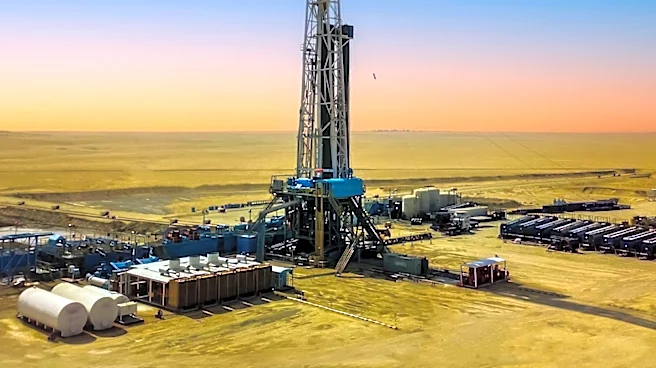
Hayasa Metals Inc. has released the geochemical and assay results from two diamond drill holes, UDD-022 and UDD-023, totaling 1,052.9 meters at its Urasar Project in northern Armenia. The 2026 drilling program, which tested low-resistivity targets, intersected
strong to intense hydrothermal alteration and stockwork veining, consistent with the upper levels of a porphyry-style system. However, copper and gold grades were low, indicating that the mineralized core of the system has not yet been intersected. Hole UDD-022 returned 21.0 meters grading 0.08% copper and 0.12 g/t gold, while UDD-023 showed narrower intervals of elevated copper. Hayasa Metals controls 100% of the Urasar project and is actively seeking a partner for its next phase of exploration. Concurrently, the company has terminated its option on the Vardenis property to reduce carrying costs and focus on a new strategic exploration alliance with a major mining company in southern Armenia, as well as three new exploration licenses expected in early 2027.
Why It's Important?
This strategic shift by Hayasa Metals is significant for its future operational and financial trajectory. By terminating the Vardenis option, the company is streamlining its portfolio, reducing overhead, and concentrating resources on more promising ventures. The new strategic exploration alliance, which is solely funded by a major mining company for a minimum two-year term, provides Hayasa Metals with substantial financial backing and expertise, mitigating exploration risks and costs. This alliance, focused on copper and other critical metals, could lead to the discovery of significant deposits, potentially increasing Hayasa's asset value and attracting further investment. The pursuit of new exploration licenses in Armenia also signals a proactive approach to expanding its resource base. For the broader mining sector, this move highlights the trend of smaller exploration companies partnering with larger entities to leverage capital and technical capabilities for high-risk, high-reward projects, particularly in regions with known mineral potential.
What's Next?
Hayasa Metals plans to announce its specific plans for the Urasar project in early 2027, likely detailing its strategy for finding a partner to advance the next phase of exploration. The company anticipates receiving three new exploration licenses in early 2027, which will further expand its exploration portfolio in Armenia. The strategic exploration alliance with the major mining company is expected to accelerate, with definitive agreements anticipated before the end of the current year. Under this alliance, the major mining company will solely fund the initial two-year exploration phase. If successful, the major mining company has options to earn up to a 70% interest in designated projects by funding additional exploration over several years. Hayasa Metals will operate during the first option period. Further analysis of the extensive Hayasa exploration database and historical Soviet-era data is underway to refine geological understanding and guide future exploration efforts towards the mineralized core of the system.
Beyond the Headlines
The shift in Hayasa Metals' strategy reflects a broader industry trend where junior mining companies, often capital-constrained, seek partnerships with larger, well-funded entities to de-risk and advance exploration projects. This model allows junior companies to retain exposure to potential discoveries while offloading significant financial burdens. The focus on copper and other critical metals aligns with global demand trends driven by the energy transition and electrification, making these resources strategically important. The termination of the Vardenis option, despite previous work, underscores the disciplined approach companies must take in managing exploration portfolios, prioritizing projects with the highest potential and strategic fit. The ongoing geological interpretation, combining modern geophysical data with historical information, highlights the scientific rigor required in mineral exploration to identify and target elusive ore bodies, even after extensive drilling. This methodical approach is crucial for long-term success in the highly speculative mining industry.