

What's Happening?
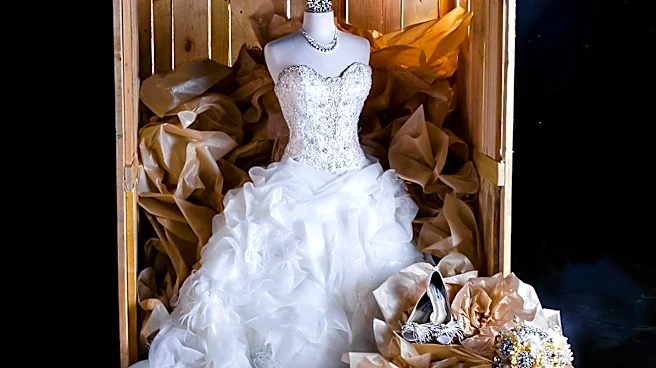
Neiman Marcus has historically built its bridal reputation on a highly curated selection of wedding gowns, synonymous with high-tier bridal fashion, craftsmanship, exclusivity, and extraordinary design. The luxury department store was known for stocking
remarkable dresses from designers who prioritized exceptional fabric, architectural silhouettes, and meticulous attention to detail. While Neiman Marcus offered these couture gowns at a premium, the current market sees platforms like Kleinfeld Again providing access to pre-owned, sample, and never-worn gowns from celebrated designers, allowing brides to acquire 'Neiman Marcus-level' dresses at a reduced cost. This shift reflects a growing trend where brides seek the same caliber of designer and craftsmanship without the full retail price, making high-end bridal fashion more accessible.
Why It's Important?
This development is significant for the U.S. bridal fashion industry and consumers. It highlights a changing landscape where the value proposition of luxury goods is being re-evaluated. For brides, it means greater access to high-quality, designer wedding gowns that were once financially out of reach, promoting sustainability through the resale of pre-owned items. For luxury retailers like Neiman Marcus, it underscores the importance of maintaining their curated image and exclusive offerings, even as secondary markets emerge. The rise of platforms offering 'Neiman Marcus-level' gowns for less could pressure traditional luxury retailers to innovate their pricing strategies or enhance their in-store experiences to justify premium costs. This trend also reflects a broader consumer shift towards conscious consumption and value-seeking, even within the luxury segment, impacting how brands position themselves and engage with their clientele.
What's Next?
The bridal market is expected to continue its shift towards more informed and intentional purchasing decisions, with a growing acceptance of pre-owned or sample gowns from world-class designers. This trend suggests that platforms like Kleinfeld Again will likely see continued growth, offering brides a strategic alternative to full-price retail. Traditional luxury bridal retailers, including those that once supplied Neiman Marcus, may need to adapt by exploring their own resale programs, offering more flexible pricing models, or focusing even more on bespoke services and unique in-store experiences to differentiate themselves. Designers like Berta, known for their distinctive silhouettes and intricate lacework, will likely remain highly sought after, regardless of the purchasing channel. The emphasis on sustainability and value in luxury bridal wear is set to become a more permanent fixture in the industry.
Beyond the Headlines
The evolution of the bridal market, particularly the ability to acquire 'Neiman Marcus-level' gowns for less, touches upon broader societal and economic implications. It challenges the traditional perception that luxury must always come at a prohibitive cost, democratizing access to high fashion. This shift also reflects a growing environmental consciousness, as purchasing pre-owned items contributes to a more sustainable consumption model by extending the lifecycle of garments. Culturally, it signifies a move away from the stigma associated with second-hand goods, especially in high-stakes purchases like wedding dresses. The emphasis on 'strategy' over 'compromise' in acquiring these gowns suggests a more empowered and savvy consumer base that values quality and design without necessarily equating it with a brand-new, full-price purchase. This trend could influence other luxury sectors to adopt similar models, blurring the lines between primary and secondary markets for high-end goods.