





What's Happening?
Gibson Dunn has announced the formation of its new Robotics Industry Group, a cross-disciplinary team comprising over 30 partners globally. This group aims to provide comprehensive legal services to companies involved in developing and deploying robotic
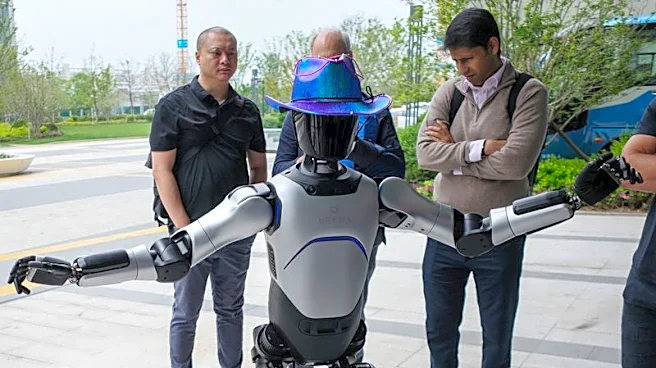
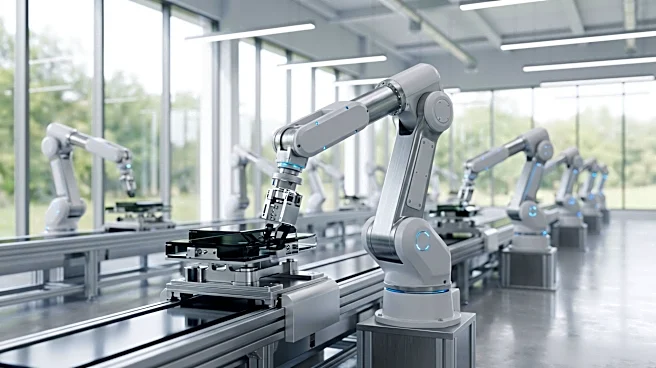
and autonomous systems, as well as investors in the sector. The firm's expertise spans various areas, including regulatory counseling, litigation, corporate transactions, and intellectual property. The group will advise clients on a wide range of robotic applications, from industrial and humanoid robots to autonomous vehicles, drones, medical robotics, and space systems. This initiative reflects the growing importance of the robotics sector and the increasing demand for specialized legal guidance in this evolving industry.
Why It's Important?
The launch of Gibson Dunn's Robotics Industry Group is significant for the U.S. technology and legal sectors. It underscores the rapid expansion and increasing complexity of the robotics and AI industries, which are attracting substantial investment and talent. For companies operating in this space, specialized legal counsel is crucial to navigate the intricate landscape of corporate, regulatory, intellectual property, privacy, product liability, employment, and national security issues. The firm's ability to handle complex intellectual property disputes, such as patent battles over sensing and control systems, across multiple jurisdictions, will be vital for protecting innovation and competitive positions. This development also signals a broader trend within the legal industry to adapt and create specialized practices to serve emerging high-tech sectors, ensuring that legal frameworks keep pace with technological advancements.
What's Next?
The newly formed Robotics Industry Group is expected to immediately begin advising clients across the robotics ecosystem, from early-stage investors and developers to deployers of advanced systems. The firm anticipates a significant uptick in demand for its services as the robotics industry continues its rapid growth and evolution. This will likely involve counseling frontier AI labs on model development, assisting governments with regulatory frameworks for autonomous vehicles, and facilitating joint ventures for large-scale automation projects. The group's focus on interdisciplinary challenges suggests that it will play a key role in shaping the legal and regulatory environment for robotics, potentially influencing future policy decisions and industry standards in the U.S. and internationally.
Beyond the Headlines
Beyond the immediate legal services, Gibson Dunn's new Robotics Industry Group highlights the profound societal and ethical implications of advanced robotics and AI. As AI integrates into physical systems that perceive, reason, and act in the real world, complex questions arise concerning accountability, data privacy, and the impact on employment. The firm's involvement in advising on regulatory frameworks for autonomous vehicles and algorithmic systems suggests a role in shaping the ethical guidelines and legal precedents for these technologies. The emphasis on intellectual property disputes also points to the intense competition and high stakes involved in controlling key innovations in this sector, which could have long-term effects on market dominance and technological accessibility. This initiative reflects a broader societal shift towards integrating advanced technologies, necessitating robust legal and ethical considerations.