




What's Happening?
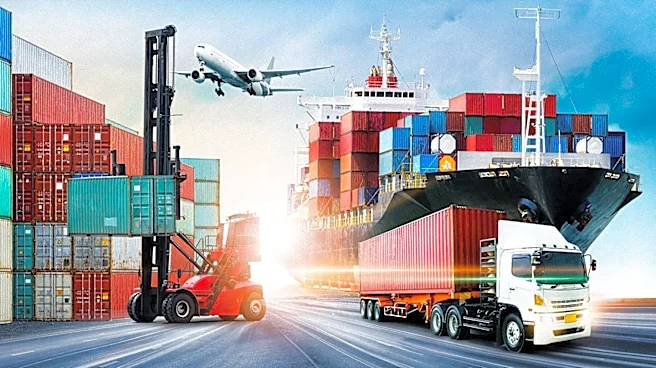
Cyber Monday in 2026 is scheduled for November 30, marking the busiest online shopping day of the year and initiating the peak logistics season. This period, extending from Black Friday through the holidays, is characterized by a significant increase
in truck and cargo traffic, alongside a surge in deliveries. The Inland Empire, a prominent e-commerce hub in the U.S., is particularly affected by this annual event. While Cyber Monday offers consumers discounted products, the heightened logistical activity brings substantial environmental and social costs to regions like the Inland Empire. These costs include increased pollution from diesel emissions and noise, as well as the proliferation of low-paying warehouse jobs that often fall below the median income for the area.
Why It's Important?
The annual Cyber Monday event, while a boon for online retailers and consumers seeking deals, highlights critical issues within the U.S. logistics and e-commerce sectors, particularly in major hubs like the Inland Empire. The surge in online shopping translates directly into increased demand for warehousing and transportation, leading to environmental degradation through higher emissions and noise pollution. Furthermore, the economic benefits are unevenly distributed; while jobs are created, many are low-paying warehouse positions that do not significantly improve the economic well-being of local residents. This dynamic underscores a broader challenge in balancing economic growth with community health and equitable labor practices, revealing the hidden costs associated with convenient online shopping.
What's Next?
As Cyber Monday approaches, the Inland Empire is expected to experience a continuation of the trends observed in previous years, including increased traffic and environmental impact. Local communities and environmental justice groups will likely continue to advocate for measures to mitigate these effects. Consumers are encouraged to consider more eco-friendly shipping options, such as avoiding two-day shipping if not essential, and to support local businesses to reduce the strain on the e-commerce logistics infrastructure. The ongoing expansion of warehousing in the region suggests that these challenges will persist, prompting continued discussions about sustainable development and fair labor practices within the logistics industry.
Beyond the Headlines
The implications of Cyber Monday extend beyond immediate economic transactions, touching upon profound ethical and social considerations. The rapid expansion of e-commerce, driven by events like Cyber Monday, has transformed landscapes in regions like the Inland Empire, converting rural areas into vast warehouse districts. This shift not only impacts the environment but also alters the social fabric of communities, displacing traditional ways of life and creating a workforce largely composed of low-wage laborers. The convenience of online shopping, therefore, carries a significant societal burden, raising questions about corporate responsibility, urban planning, and the long-term sustainability of current consumption patterns. It highlights the need for a more holistic approach to economic development that prioritizes community well-being alongside commercial growth.