






What's Happening?
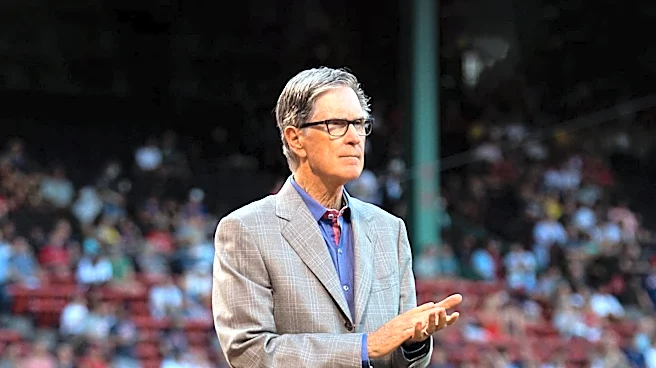
John W. Henry, the principal owner of Fenway Sports Group, which includes the Boston Red Sox and Liverpool Football Club, also owns the New England Sports Network and Boston's primary newspaper, the Boston Globe. This dual ownership structure, where a major
sports team owner also controls significant media outlets covering sports, is highlighted as an example of the blurring lines between sports leagues and the media that cover them. The article discusses how this trend, alongside the rise of in-house media teams for major franchises, creates a complex landscape for independent sports journalism. The increasing financialization of sports, with teams and leagues viewed as investment vehicles, further complicates the role of traditional sports media in holding power to account. The context of this discussion is the growing importance of independent investigative journalism in sports, exemplified by a podcast that uncovered a major NBA salary cap circumvention, while traditional outlets were slow to react.
Why It's Important?
The intertwining of sports ownership with media ownership has significant implications for the objectivity and independence of sports reporting in the U.S. When a team owner also controls the media outlets that cover that team, there is an inherent potential for conflicts of interest. This can lead to a lack of critical scrutiny, as media outlets might be incentivized to present a favorable view of the owner's assets, potentially at the expense of unbiased reporting. This trend affects not only the quality of sports journalism but also public perception and accountability within the sports industry. The financialization of sports, where teams are increasingly seen as investment opportunities, further emphasizes the need for robust, independent journalism to uncover potential financial misconduct or ethical issues that might arise from these complex ownership structures. The ability of the press to act as a watchdog is crucial for maintaining transparency and integrity in a rapidly evolving sports landscape.
What's Next?
The evolving media landscape and the increasing financial stakes in sports suggest a continued challenge for traditional sports journalism. There is a call for sports journalists to adopt a more watchdog and investigative role, potentially requiring basic economics training to better report on financial schemes, analyze SEC filings, and understand cryptocurrencies. Integrating basic watchdog journalism methods, such as surveying public records and fact-checking, into everyday reporting will be crucial. The success of independent investigative efforts, like the 'Pablo Torre Finds Out' podcast, may inspire more journalists to pursue in-depth reporting outside traditional media structures. Stakeholders, including sports leagues, team owners, and media organizations, will likely face ongoing pressure to address concerns about media independence and transparency as the financial and political influence in sports continues to grow.
Beyond the Headlines
The phenomenon of sports team owners also owning media outlets extends beyond mere business synergy; it touches upon fundamental questions of journalistic ethics and the public's right to unbiased information. This convergence can subtly shape narratives, influence public opinion, and potentially suppress critical reporting on issues that might reflect negatively on the owner's other ventures. The long-term shift could lead to a more fragmented media environment where independent voices, often operating outside traditional structures, become increasingly vital for accountability. It also highlights a broader societal challenge in distinguishing rigorous journalism from public relations in an age of digital information overload. The ethical implications for journalists working within such integrated organizations are profound, requiring a constant negotiation between loyalty to their employer and their professional duty to report impartially. This situation underscores the need for media literacy among consumers to critically evaluate the sources of their sports news.