
What's Happening?
Wellness retreats are undergoing a significant transformation, moving beyond conventional massages and meditation to incorporate advanced practices such as sports science, preventative medicine, nutrition,
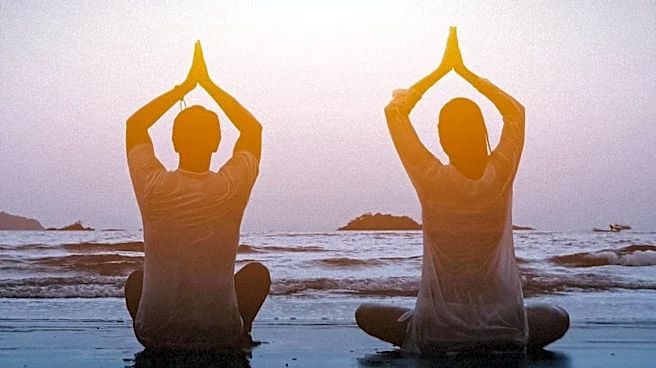
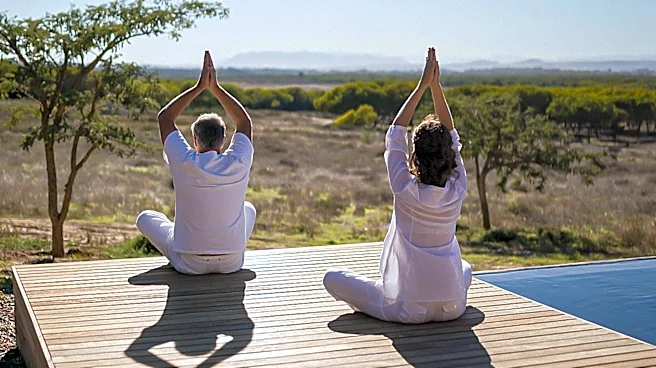
and recovery technology. This new generation of wellness destinations focuses on personalized programs designed to enhance guests' overall well-being and performance. Examples include Nihi Rote in Indonesia, which offers active luxury with a custom-designed pump track, padel and volleyball courts, and a games pavilion. Soneva in the Maldives features programs led by elite athletes and experts in osteopathy, healing, and performance coaching. Tulåh Clinical Wellness in India adopts a multidisciplinary approach, examining metabolic and cardiovascular health, movement, strength, sleep, and nervous-system regulation through diagnostics and personalized therapies. Aman sanctuaries, in collaboration with global ambassador Novak Djokovic, offer Mobility and Recovery Programs combining racquet training, strength and conditioning, mindfulness, hydrotherapy, and restorative spa therapies. These retreats are often set in natural, peaceful environments and include practices like yoga, meditation, breathwork, and sattvic meals, aiming to provide a holistic approach to health.
Why It's Important?
The evolution of wellness retreats signifies a broader shift in how individuals approach health and self-improvement, moving towards more data-driven and scientifically backed methods. This trend reflects a growing consumer demand for experiences that offer tangible, measurable benefits beyond simple relaxation. For the U.S. wellness industry, this means an opportunity to innovate and expand service offerings, potentially attracting a wider demographic interested in performance optimization and preventative health. Businesses in hospitality, healthcare, and technology could see increased collaboration to develop integrated wellness solutions. The emphasis on personalized programs and advanced diagnostics could also influence healthcare models, promoting a more proactive and individualized approach to patient care. Furthermore, the integration of sports science and recovery technology highlights a convergence of athletic training principles with general wellness, suggesting a future where high-performance strategies are accessible to a broader public, impacting fitness trends and consumer product development.
What's Next?
The wellness industry is likely to continue its trajectory towards more specialized and scientifically integrated offerings. We can anticipate further development of retreats that combine medical diagnostics with personalized fitness and nutrition plans. The involvement of high-profile figures, such as athletes and wellness experts, will likely increase, lending credibility and appeal to these advanced programs. Technology will play an even greater role, with potential for AI-driven personalized wellness recommendations and advanced biometric tracking during retreats. The expansion of these sophisticated wellness models could lead to new certifications and standards within the industry, ensuring quality and efficacy. Additionally, as these retreats gain popularity, there may be a push for insurance providers to recognize and potentially cover certain aspects of preventative wellness programs, especially those with clinical backing, thereby broadening access and further integrating wellness into mainstream healthcare.
Beyond the Headlines
This shift in wellness retreats points to a deeper cultural re-evaluation of health, moving from reactive treatment to proactive enhancement and longevity. The focus on 'human performance' suggests a societal aspiration to not just be healthy, but to optimize physical and mental capabilities, blurring the lines between wellness, self-improvement, and peak performance. This could lead to ethical discussions around accessibility, as advanced wellness programs may be financially out of reach for many, potentially exacerbating health disparities. There's also an underlying philosophical question about the pursuit of 'perfection' and the role of technology in defining human potential. The emphasis on natural environments and traditional practices alongside cutting-edge science reflects a desire for balance—integrating ancient wisdom with modern innovation. This holistic approach could influence urban planning, architectural design, and even corporate wellness programs, as organizations seek to foster environments that support comprehensive well-being and productivity.