





What's Happening?
Jerrell Price has been named the new Executive Director of the U.S. Fencing Foundation, the fundraising arm of USA Fencing. Price joins the organization from RISE, a sports-based nonprofit founded by Stephen Ross, where he served as senior vice president
of external affairs and previously as vice president of strategic partnerships. During his six-year tenure at RISE, Price was responsible for fundraising and partnership strategy, adding over 350 new partners and helping to secure more than $30 million towards annual fundraising goals. Before his work at RISE, Price was the director of partnerships and operations in the office of the president at UNICEF USA, where he advised the CEO, worked with the board of directors, and secured over $2 million in major gifts. His career began in college athletics, managing championship operations for the Big Ten Conference and the NCAA Division I Women's Basketball Championship, and serving as director of basketball operations for George Mason University's women's team. Price will lead the foundation's major gifts, annual giving, donor events, and partnership programs to support athletes preparing for the 2028 Olympic and Paralympic Games in Los Angeles.
Why It's Important?
The appointment of Jerrell Price as Executive Director of the U.S. Fencing Foundation is a significant development for USA Fencing and its athletes, particularly as they prepare for the 2028 Olympic and Paralympic Games in Los Angeles. Price's extensive background in sports philanthropy, fundraising, and strategic partnerships, including his success at RISE and UNICEF USA, brings a wealth of experience crucial for securing the financial resources needed to support elite fencers. His proven ability to build relationships and secure substantial funding will directly impact the training, development, and competitive opportunities for U.S. athletes. This leadership is vital for enhancing the competitiveness of American fencers on the international stage and ensuring they have access to top-tier coaching, facilities, and resources. The foundation's success in fundraising under Price's direction will also contribute to the overall growth and visibility of fencing as a sport in the United States, potentially inspiring new generations of athletes and increasing public engagement.
What's Next?
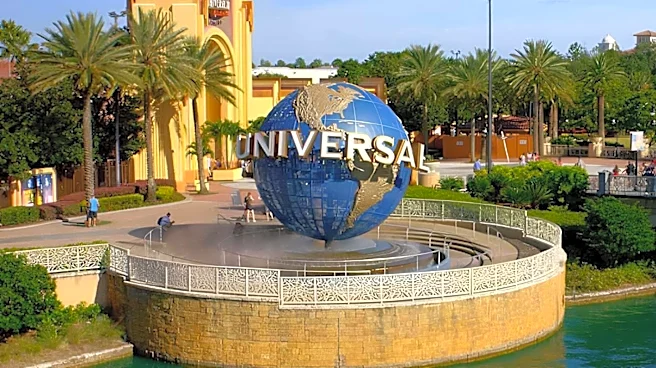
Jerrell Price is scheduled to meet with fencing families, donors, and volunteers at the upcoming October North American Cup in Orlando, Florida. This initial engagement will be crucial for him to connect with key stakeholders and articulate his vision for the U.S. Fencing Foundation. His immediate priorities will likely include developing and implementing comprehensive fundraising strategies to support athletes on their journey to the LA28 Games. This will involve expanding major gift initiatives, strengthening annual giving campaigns, and forging new strategic partnerships. Price will also focus on enhancing donor events and engagement programs to foster a stronger community around USA Fencing. The success of these efforts will be critical in providing the necessary financial backing for athlete development, coaching, and international competition, ultimately aiming to maximize the performance of U.S. fencers at the 2028 Olympics and Paralympics. Interested parties can support USA Fencing athletes or learn more about the foundation by contacting Price directly.
Beyond the Headlines
The appointment of a seasoned fundraising executive like Jerrell Price to a national sports foundation highlights a broader trend in amateur and Olympic sports: the increasing professionalization of fundraising and organizational management. In an era where athletic success often correlates with financial backing, the ability to secure significant donations and partnerships is paramount. This move reflects a strategic understanding that sustained excellence in sports requires robust financial infrastructure, not just athletic talent. Price's background, spanning from college athletics to international non-profits, also underscores the diverse skill set required for such roles, blending sports administration with high-level philanthropic engagement. This trend could lead to more stable and well-funded sports programs across various disciplines, potentially democratizing access to elite training for a wider range of athletes. It also emphasizes the growing importance of sports philanthropy in complementing traditional funding sources, ensuring that U.S. athletes remain competitive globally.