
What's Happening?
Related Ross, led by billionaire developer Stephen Ross, has received unanimous City Commission approval for an electric air-taxi stop atop the Hibiscus Garage at 530 Hibiscus Street in downtown West Palm
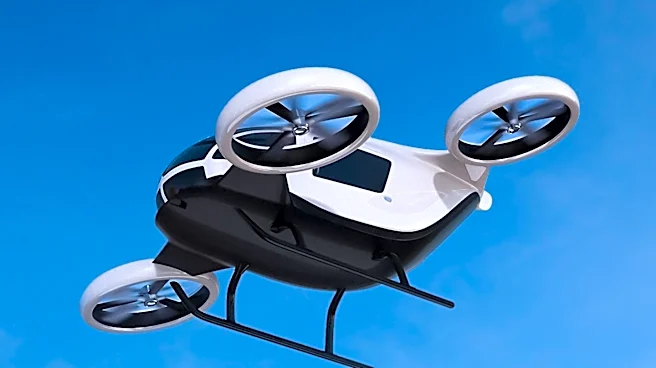
Beach. This proposed 'vertistop' is designed to accommodate electric vertical takeoff and landing aircraft (eVTOLs), featuring a rooftop landing deck, a passenger lounge, and electric charging infrastructure. Unlike traditional helipads, this facility will be exclusively for electric aircraft, prohibiting gas-powered helicopters. The approval marks a significant step in preparing CityPlace, a major mixed-use development by Related Ross, for next-generation transportation infrastructure. The project still requires detailed site-plan approval and Federal Aviation Administration (FAA) clearance before construction and commercial flights can commence. Related Ross Executive Vice President Jordan Rathlev emphasized that this decision is an important early milestone in their commitment to forward-looking infrastructure and innovative mobility technology.
Why It's Important?
This development is important for the U.S. transportation sector and urban planning, particularly in South Florida. It signifies a move towards integrating advanced air mobility into urban environments, potentially offering faster connections between major business districts, airports, and population centers. For West Palm Beach, it could enhance CityPlace's appeal as a regional business and lifestyle destination by providing a unique transportation advantage. The project also highlights a broader trend of developers investing in innovative infrastructure to differentiate their properties. If successful, this initiative could serve as a model for other cities looking to adopt eVTOL technology, influencing future urban development and transportation strategies across the country. It also underscores the growing collaboration between real estate developers and advanced air mobility companies like Archer Aviation, with whom Related Ross plans to establish a regional electric air-taxi network.
What's Next?
The immediate next steps for the project involve securing a Level III site-plan approval from the City Commission and obtaining necessary FAA clearances. These approvals are crucial before any construction can begin or commercial eVTOL operations can be authorized at the site. Related Ross has previously announced plans to partner with Archer Aviation to develop a regional electric air-taxi network connecting West Palm Beach, Boca Raton, Fort Lauderdale, and Miami. This network aims to reduce travel times significantly, bypassing congested roadways. The success of this initial vertistop will likely influence the expansion of this network and the broader adoption of electric air taxis in South Florida. Regulatory bodies, such as the FAA, will play a critical role in establishing the operational framework for these new forms of transportation, impacting the timeline and feasibility of such projects nationwide.
Beyond the Headlines
The approval of an electric air-taxi stop in West Palm Beach signals a potential paradigm shift in urban mobility and real estate development. Beyond the immediate transportation benefits, this initiative raises questions about urban noise pollution, energy infrastructure demands, and equitable access to advanced transportation. The restriction to electric aircraft addresses environmental concerns related to emissions, but the energy requirements for charging eVTOLs will necessitate robust and potentially new grid infrastructure. Furthermore, the integration of such high-tech transportation hubs into existing urban fabric could redefine property values and accessibility, potentially creating new economic divides. The long-term success and societal impact will depend on how these challenges are addressed, and how regulatory frameworks evolve to ensure safety, sustainability, and broad public benefit from this emerging technology.