


What's Happening?
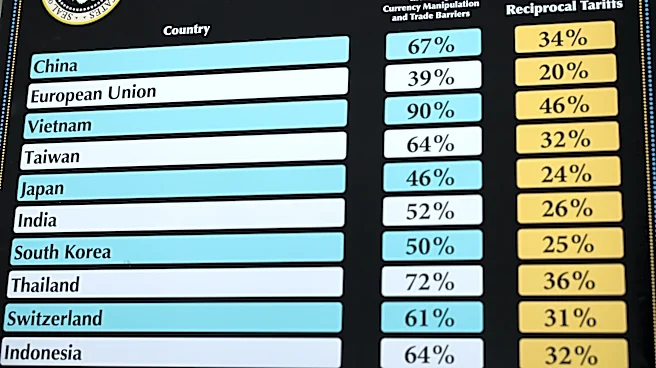
China has announced a two-month extension, until January, of its suspension of an additional 24% tariff on imports from the United States. This decision, effective from November 10, follows an agreement reached between President Trump and Chinese President Xi
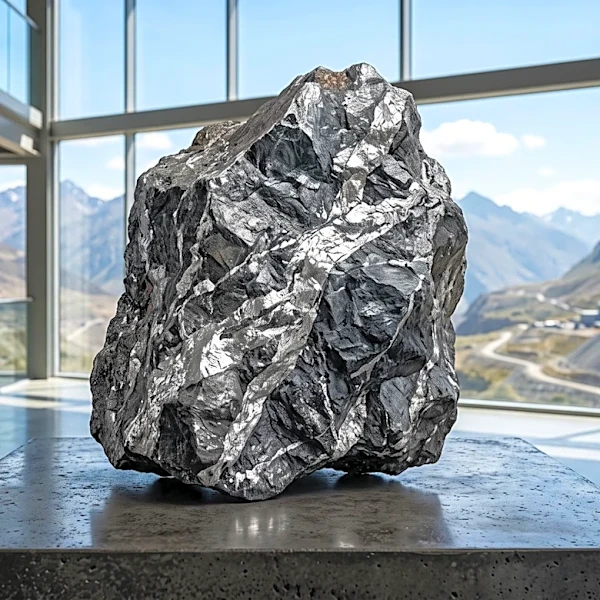
Jinping. While the 24% tariff suspension is extended, an existing 10% additional tariff remains in place. Concurrently, China is also delaying export restrictions on various critical materials, including superhard materials, rare-earth equipment, and lithium, until January 10 next year. Furthermore, sanctions on five U.S. subsidiaries of Hanwha Ocean, which were imposed due to their cooperation with a U.S. Trade Representative investigation into China's shipping industry, will also be suspended for two additional months. Retaliatory sanctions against 16 U.S. military-related companies, including defense and robotics firms and drone manufacturers, have also been suspended. The Chinese Customs Tariff Commission stated it is monitoring U.S. actions regarding tariffs and will adjust its retaliatory measures as needed.
Why It's Important?
This extension of tariff suspensions and sanction relief signifies a continued effort to de-escalate trade tensions between the U.S. and China, providing a temporary reprieve for American businesses exporting to China. The suspension of tariffs on U.S. goods can offer a competitive advantage to American exporters by making their products more affordable in the Chinese market, potentially boosting sales and revenue for affected industries. Similarly, the lifting of sanctions on U.S. military-related companies and Hanwha Ocean subsidiaries could allow these firms to resume or expand their operations and dealings with Chinese entities without punitive measures. This move also reflects ongoing diplomatic efforts to stabilize economic relations between the two global powers, which can have broader implications for global supply chains and market stability. However, the retention of the 10% additional tariff and China's stated intent to monitor U.S. actions indicate that underlying trade disputes are not fully resolved and could resurface.
What's Next?
The extended suspension of tariffs and sanctions will remain in effect until January, providing a window for further negotiations between the U.S. and China on trade issues. Businesses involved in U.S.-China trade should monitor developments closely as the January deadline approaches, as the future of these measures will depend on ongoing diplomatic discussions and any new trade policies enacted by either country. The U.S. Department of Commerce Bureau of Industry and Security (BIS) has also extended the suspension of its 'Affiliates Rule' through January 10, 2027, aligning with the broader U.S.-China trade truce. This suggests a coordinated effort to maintain a stable trade environment for the immediate future. Stakeholders will be watching for any modifications to trade policies or the re-imposition of previously suspended measures, which could significantly impact market dynamics and business strategies.
Beyond the Headlines
The temporary nature of these suspensions highlights the fragility of the U.S.-China trade relationship, which remains subject to political and economic fluctuations. While the current extension offers a period of stability, it does not resolve the fundamental disagreements that led to the trade war. The continued monitoring by China of U.S. tariff actions suggests a tit-for-tat dynamic that could easily reignite trade hostilities. This situation underscores the complex interplay between economic policy, national security concerns, and international diplomacy. For U.S. companies, the uncertainty surrounding long-term trade policies necessitates strategic planning that accounts for potential shifts in tariffs and sanctions, emphasizing supply chain diversification and market adaptability. The broader implication is that businesses operating in these markets must remain agile and prepared for rapid changes in the regulatory and trade landscape.