






What's Happening?
Fallen autumn leaves are being highlighted as a valuable, free resource for gardeners, offering benefits such as mulch, insulation, and fertilizer. Michael Jesiolowski, manager of the Plant Clinic at The Morton Arboretum in Lisle, emphasizes that collecting
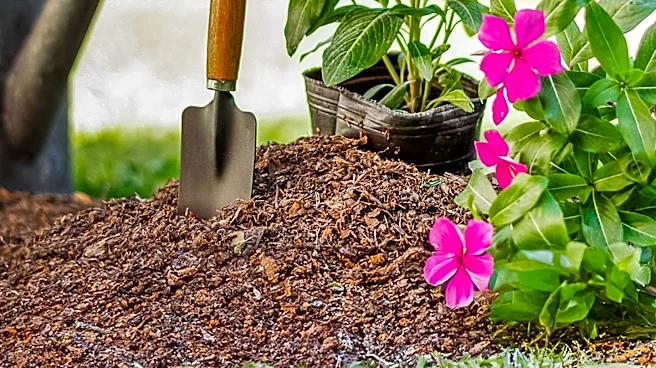
leaves can provide long-term dividends for garden health. Leaves naturally break down to create humus, enriching soil and releasing nutrients that plants need, effectively serving as a free alternative to commercial fertilizers. They also act as natural insulation, protecting plant roots from temperature extremes and retaining moisture. Gardeners are advised to use leaves as mulch on perennial beds, around trees and shrubs, or in vegetable gardens. Shredding leaves can make them tidier and accelerate decomposition, while saving them allows for year-round use in compost bins or as mulch.
Why It's Important?
This information is important for U.S. homeowners and gardeners as it promotes sustainable and cost-effective gardening practices. By utilizing fallen leaves, individuals can reduce waste, minimize their reliance on chemical fertilizers, and improve soil health naturally. This approach aligns with growing environmental consciousness and the desire for more eco-friendly living. Economically, it offers a free alternative to purchasing gardening supplies, which can be particularly beneficial during periods of economic strain. The advice from The Morton Arboretum, a reputable institution, lends credibility to these practices and encourages broader adoption, contributing to healthier local ecosystems and reduced landfill waste.
What's Next?
As awareness of the benefits of fallen leaves grows, more gardeners are likely to adopt these sustainable practices. This could lead to a decrease in the amount of yard waste sent to landfills and a corresponding increase in composting and mulching activities at home. Educational institutions and gardening organizations may further promote these methods through workshops and informational campaigns. There might also be a subtle shift in community attitudes towards leaves, viewing them less as waste to be disposed of and more as a valuable natural resource. This could influence local waste management policies and encourage municipalities to support leaf collection and composting initiatives.
Beyond the Headlines
The simple act of utilizing fallen leaves for gardening touches upon deeper themes of ecological stewardship and reconnecting with natural cycles. It challenges the modern tendency to view natural processes as 'messy' or 'wasteful' and instead encourages an appreciation for their inherent value. This practice can foster a greater understanding of soil biology and the interconnectedness of ecosystems, promoting a more holistic approach to land management. Ethically, it encourages responsible consumption and resourcefulness, moving away from a disposable culture. Culturally, it can revive traditional gardening wisdom and strengthen community bonds through shared knowledge and practices, contributing to a more resilient and environmentally conscious society.