



What's Happening?
The Georgia Ports Authority has publicly announced its support for the proposed merger between Union Pacific and Norfolk Southern. This endorsement highlights the potential for improved freight connectivity, expanded access to inland markets, and a strengthened
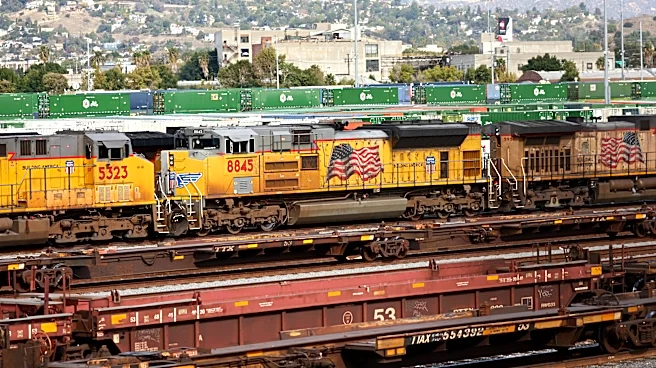
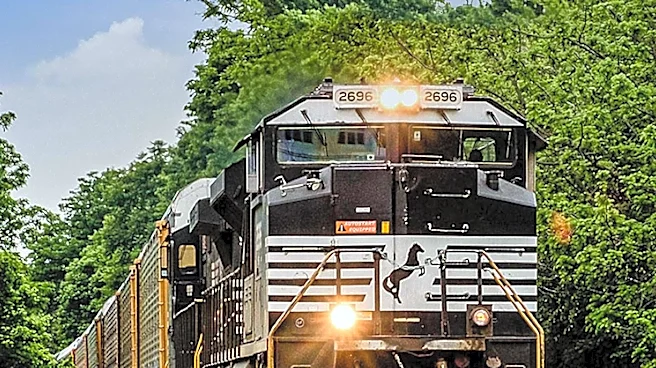
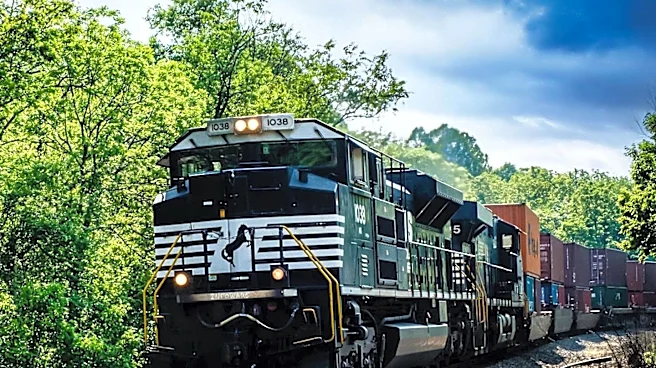
role for Georgia in international trade. The Authority joins a coalition of over 2,000 businesses, labor organizations, public officials, trade associations, and policy experts who back the transaction. Supporters, including major logistics companies like Hub Group and Schneider National, believe the merger will enhance competition, improve market access and safety, protect union jobs, and create a more integrated freight network. The proposed merger aims to combine the two rail networks to establish the first seamless transcontinental railroad in the United States, connecting Georgia’s ports to a wider array of destinations through single-line rail service.
Why It's Important?
This endorsement from a significant port and transportation stakeholder underscores the potential economic and logistical benefits of the merger for the U.S. The Georgia Ports Authority, which oversees critical gateways like the Port of Savannah (North America's largest single-terminal container facility) and the Port of Brunswick (a leading gateway for automobiles), relies heavily on competitive rail service. The merger is expected to provide additional connections for businesses moving goods to domestic and international markets, thereby supporting the state's economy. Georgia Ports Authority operations currently support over 651,000 full- and part-time jobs and generate $174 billion in sales. An expanded rail network could further boost trade and investment, offering customers access to more origins and destinations and creating new opportunities for manufacturers, distributors, importers, and exporters across the nation.
What's Next?
The proposed merger will continue to undergo regulatory review and gather support from various stakeholders. The backing of influential entities like the Georgia Ports Authority could significantly influence the approval process, demonstrating the perceived benefits to regional economies and national supply chains. If approved, the combined entity would work towards integrating their networks to create the seamless transcontinental railroad. This integration would likely involve operational adjustments, technological upgrades, and strategic planning to maximize efficiency and connectivity. The focus will be on how the new, expanded rail network can deliver on its promise of improved market access, enhanced safety, and strengthened competition, particularly for states like Georgia that are critical hubs for international trade.
Beyond the Headlines
The proposed merger between Union Pacific and Norfolk Southern, with the support of the Georgia Ports Authority, highlights a broader trend towards consolidation in the U.S. freight transportation sector. This move could reshape the competitive landscape of rail logistics, potentially leading to more efficient long-haul routes and reduced transit times for goods across the country. However, it also raises questions about market concentration and its long-term effects on pricing and service for smaller shippers. The emphasis on creating a 'seamless transcontinental railroad' suggests a strategic vision to optimize the national supply chain, which could have profound implications for manufacturing, agriculture, and retail industries by improving their access to both domestic and international markets. The environmental aspect, with Union Pacific stating rail is an 'environmentally responsible way to transport freight,' also positions the merger within the context of sustainable logistics solutions.