





What's Happening?
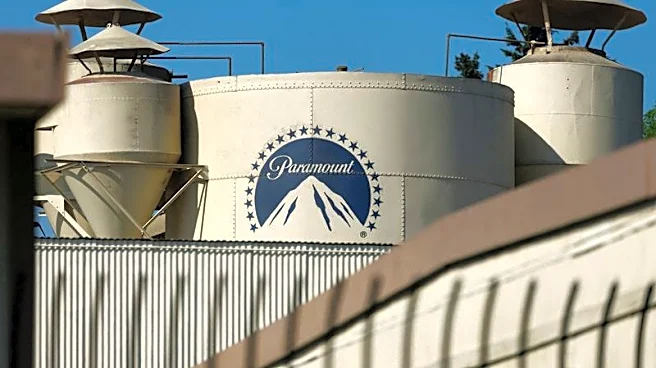
Los Angeles County Supervisor Kathryn Barger has issued a statement urging Paramount and California Attorney General Rob Bonta to resume settlement discussions. This appeal comes in response to a recent breakdown in talks between the two parties. Supervisor Barger emphasized
that the film and television industry in Los Angeles County is already facing significant challenges, and prolonged uncertainty stemming from these unresolved discussions will only exacerbate the pressure on local productions, workers, and the regional economy. She highlighted the loss of numerous entertainment jobs and productions in recent years, underscoring the critical need to preserve the industry's presence in Los Angeles County. The supervisor stressed that at a time when the region is actively working to retain productions and jobs, greater certainty is required, rather than months of additional uncertainty.
Why It's Important?
The ongoing dispute and the breakdown in settlement talks between Paramount and the California Attorney General pose a significant threat to the entertainment industry in Los Angeles County. This industry is a cornerstone of the regional economy, providing tens of thousands of jobs and contributing substantially to the local tax base. A prolonged period of uncertainty could lead to further job losses, a reduction in local productions, and a potential exodus of talent and resources to other regions or states. Workers in the film and television sector, from crew members to actors and support staff, stand to lose their livelihoods. Businesses that rely on the industry, such as equipment rental companies, catering services, and post-production houses, would also face severe economic repercussions. The situation underscores the delicate balance between legal disputes and their broader economic impact, particularly in an industry as vital and competitive as entertainment.
What's Next?
Supervisor Barger's statement explicitly calls for both Paramount and Attorney General Bonta to return to the negotiating table and work towards an expedited resolution. The immediate next step would involve the parties re-engaging in settlement discussions, potentially with renewed urgency given the public call from a prominent local official. The outcome of these renewed talks will determine the future stability for many in the Los Angeles entertainment sector. If a resolution is not reached swiftly, it could lead to further legal proceedings, which would prolong the uncertainty and continue to impact the industry negatively. Stakeholders, including industry unions, production companies, and local businesses, will likely monitor the situation closely, advocating for a quick and favorable resolution to protect jobs and economic stability.
Beyond the Headlines
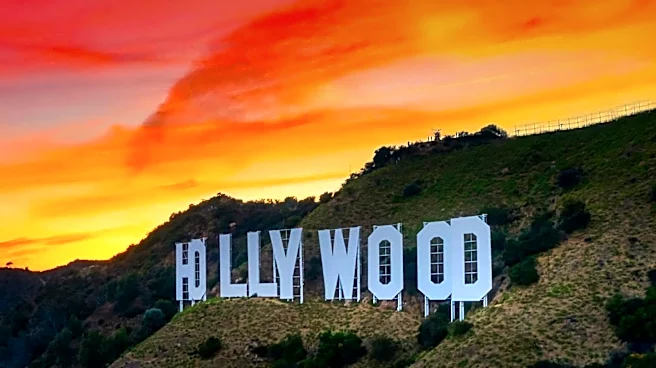
This situation highlights a broader trend of increasing challenges faced by the traditional entertainment industry in Los Angeles, including competition from other production hubs, evolving consumption patterns, and the economic pressures of a globalized market. The legal dispute, whatever its nature, adds another layer of complexity to an already strained environment. It also brings to light the role of local government officials in advocating for key industries within their jurisdictions, demonstrating how political leadership can intervene to protect economic interests. The emphasis on 'preserving this industry's presence' suggests a recognition of the cultural and historical significance of Hollywood to Los Angeles, beyond just its economic output. The long-term implications could involve a re-evaluation of how legal and regulatory frameworks interact with the economic health of major industries, potentially leading to new policies aimed at safeguarding local employment and production capabilities.