






What's Happening?
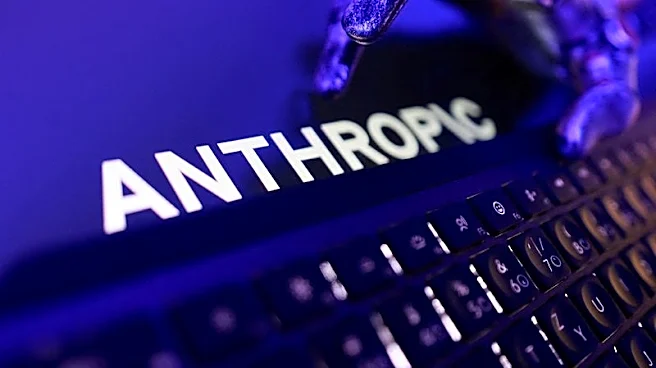
Alibaba, a major Chinese technology company, has prohibited its employees from using the AI coding tool 'Claude Code' developed by Anthropic. This decision follows the discovery of hidden code within Claude Code that poses significant security risks.
The code reportedly identifies Chinese users and sends information about their location and proxy usage. This revelation was brought to light by a Reddit user, LegitMichel777, who found the suspicious code while reverse engineering the tool. The code in question was included in versions released after April 2, 2026. In response, Alibaba has instructed its employees to switch to its proprietary coding platform, 'qoder.' Anthropic, the developer of Claude Code, has acknowledged the presence of the code, stating it was part of an experiment to prevent account abuse and unauthorized reselling. The company plans to roll back these changes in a future release.
Why It's Important?
The ban on Claude Code by Alibaba highlights the growing concerns over data privacy and security in the tech industry, particularly regarding AI tools. This incident underscores the potential risks associated with using third-party software that may contain hidden functionalities capable of compromising user data. For U.S. companies and developers, this serves as a cautionary tale about the importance of transparency and security in software development. The situation also reflects the broader geopolitical tensions between China and the U.S., as technology and data security become increasingly contentious issues. Companies operating in both regions may face heightened scrutiny and regulatory challenges as they navigate these complex dynamics.
What's Next?
As Alibaba transitions its employees to its own coding platform, 'qoder,' other companies may reevaluate their use of third-party AI tools to ensure compliance with security standards. Anthropic's planned rollback of the controversial code could restore some trust among its users, but the incident may prompt further investigations into the company's practices. Additionally, this development could lead to increased regulatory oversight of AI tools and software, particularly those with international reach. Stakeholders in the tech industry, including developers and policymakers, may need to collaborate on establishing clearer guidelines and standards for AI tool security to prevent similar issues in the future.