





What's Happening?
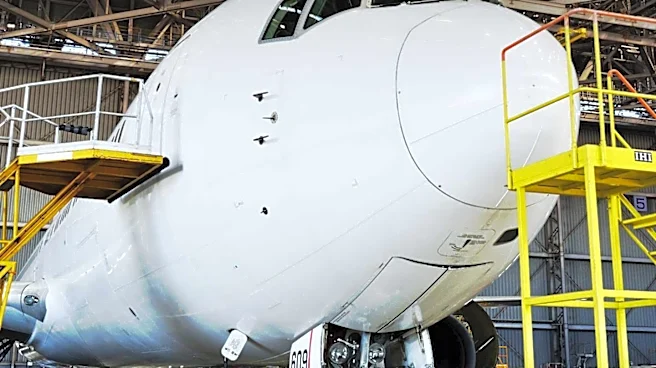
Air Transport International, Inc. (ATI), a U.S. passenger and cargo airline, is actively seeking a full-time, on-site Maintenance Controller for its Wilmington, Ohio headquarters. ATI operates under an FAA Part 121 Air Carrier Certificate and holds multiple
U.S. DOT and foreign Air Operator Certificates, supporting global charter and scheduled operations. As a subsidiary of Air Transport Services Group, Inc. (NASDAQ: ATSG), ATI is part of a network providing air transportation and related services. The Maintenance Controller role involves overseeing the daily technical status of the fleet, coordinating maintenance activities to ensure safe, compliant, and reliable aircraft operations. Responsibilities include monitoring aircraft discrepancies, directing troubleshooting efforts, and authorizing corrective actions in accordance with company procedures and regulatory requirements. The position requires close collaboration with line and base maintenance, flight operations, and technical support teams to minimize operational disruptions and optimize aircraft availability. Additionally, the Maintenance Controller will maintain accurate maintenance records, communicate status updates, and support decision-making during irregular operations or Aircraft on Ground (AOG) events.
Why It's Important?
This hiring initiative by Air Transport International, Inc. underscores the ongoing demand for skilled aviation professionals within the U.S. air transportation sector. The role of a Maintenance Controller is critical for ensuring the safety and operational efficiency of an airline's fleet, directly impacting flight schedules, cargo delivery, and passenger services. For the U.S. economy, a robust and well-maintained air cargo and passenger network is vital for supply chain stability, business travel, and overall economic activity. The position's focus on minimizing operational disruptions and optimizing aircraft availability highlights the economic pressures on airlines to maintain high service levels and avoid costly delays. Furthermore, as a subsidiary of Air Transport Services Group, Inc., ATI's continued operations and staffing needs reflect the broader health and growth of the outsourced airlift services market, which is essential for various industries relying on timely air freight and specialized charter services. The emphasis on regulatory compliance also reinforces the stringent safety standards governing U.S. air travel and cargo operations.
What's Next?
The recruitment process for the Maintenance Controller position will likely involve a thorough evaluation of candidates' qualifications and experience in aviation maintenance and operations. Once filled, the new Maintenance Controller will integrate into ATI's existing operational framework, contributing to the airline's ongoing efforts to maintain its fleet and ensure operational excellence. This hiring could lead to further internal adjustments or training initiatives to support the new role and enhance overall maintenance coordination. For the broader air transportation industry, the continuous demand for such specialized roles suggests a sustained need for skilled personnel, potentially influencing aviation training programs and career development pathways. ATI will continue its global charter and scheduled operations, with the Maintenance Controller playing a key role in upholding the airline's commitment to safety and reliability, especially in managing irregular operations and AOG events to minimize impact on service delivery.
Beyond the Headlines
The role of a Maintenance Controller extends beyond technical oversight; it embodies a critical aspect of aviation safety culture and operational resilience. The ability to effectively manage aircraft discrepancies and authorize corrective actions under pressure speaks to the high-stakes environment of air transportation. This position also highlights the intricate coordination required across various departments—maintenance, flight operations, and technical support—to ensure seamless air travel and cargo movement. The emphasis on maintaining accurate records and communicating status updates underscores the importance of transparency and accountability within the aviation industry, crucial for regulatory compliance and public trust. Furthermore, the continuous need for such specialized roles in companies like ATI reflects the significant investment and expertise required to keep a modern aircraft fleet operational, showcasing the complex interplay of engineering, logistics, and human capital that underpins the U.S. air transportation system. This role is a testament to the unseen efforts that ensure the reliability of air travel and cargo services.