



What's Happening?
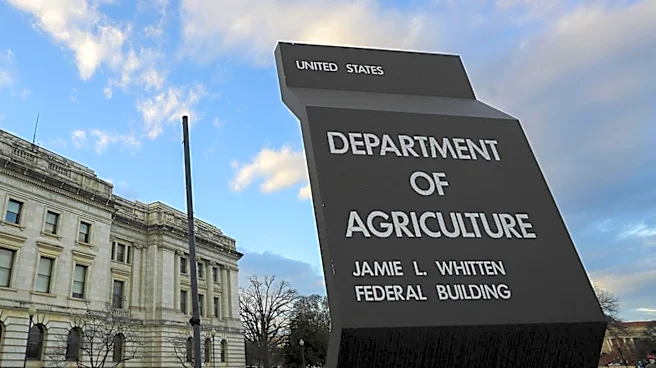
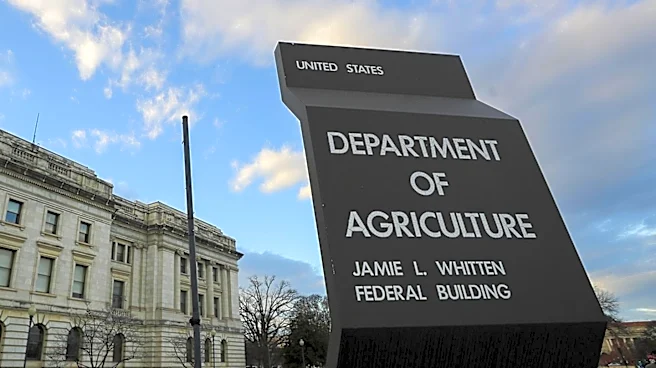
The Commodity Futures Trading Commission (CFTC) and the United States Department of Agriculture (USDA) have formalized a Memorandum of Understanding (MOU) aimed at bolstering oversight and integrity within U.S. agricultural markets. This agreement seeks
to improve coordination between the two agencies by harmonizing policies, expanding information sharing, and increasing access to risk management tools for agricultural producers. According to CFTC Chairman Michael Selig, farmers have historically relied on agricultural markets to hedge risk and manage uncertainty, and this MOU will enhance protections for producers while streamlining data exchange. USDA Secretary Brooke Rollins emphasized that faster and more transparent data sharing is crucial for producers navigating evolving market conditions, stating that the agreement builds on USDA’s data modernization efforts and will help both agencies identify risks more quickly and improve responses to market events affecting agriculture.
Why It's Important?
This enhanced collaboration between the USDA and CFTC is significant for the stability and fairness of U.S. agricultural markets. By improving data sharing and policy coordination, the agencies can more effectively monitor and respond to market fluctuations, potential manipulations, and systemic risks that could impact farmers and the broader food supply chain. Farmers, who operate in an inherently volatile industry due to weather, disease, and global demand, stand to benefit from better access to risk management tools and a more transparent market environment. This initiative aims to protect producers from adverse market events and ensure that agricultural markets remain reliable mechanisms for price discovery and hedging. The agreement also underscores the government's commitment to safeguarding a critical sector of the U.S. economy, which directly affects food prices and availability for consumers.
What's Next?
Following the signing of the MOU, the USDA and CFTC will proceed with implementing the outlined provisions, focusing on integrating data systems and establishing clearer protocols for information exchange. This will likely involve joint working groups to develop harmonized policies and identify specific areas for enhanced oversight. Agricultural producers and market participants can expect to see improved access to educational resources on risk management tools and potentially more timely market information. The agencies will also likely conduct regular reviews of the MOU's effectiveness, adapting their strategies as market conditions evolve. The success of this agreement will depend on the sustained commitment of both agencies to foster a more resilient and transparent agricultural market ecosystem.
Beyond the Headlines
Beyond the immediate benefits of improved market oversight, this MOU reflects a broader trend towards inter-agency cooperation in addressing complex economic challenges. The agricultural sector's vulnerability to global events, climate change, and technological shifts necessitates a coordinated regulatory approach. This agreement could serve as a model for similar collaborations in other sectors where multiple federal agencies share oversight responsibilities. Furthermore, by strengthening market integrity, the MOU indirectly supports U.S. competitiveness in global agricultural trade, as transparent and well-regulated markets are often viewed favorably by international partners. The long-term impact could include greater investor confidence in agricultural commodities and a more stable economic environment for rural communities dependent on farming.