



What's Happening?
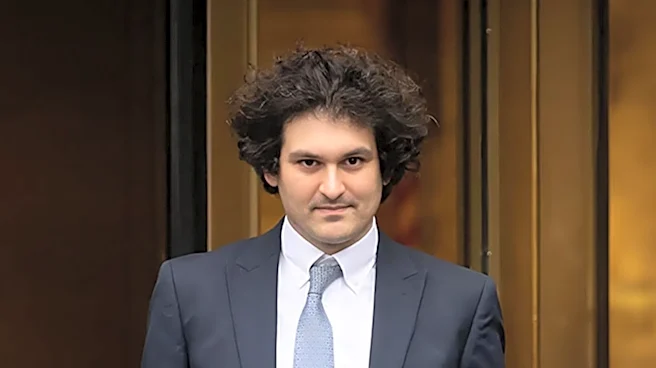
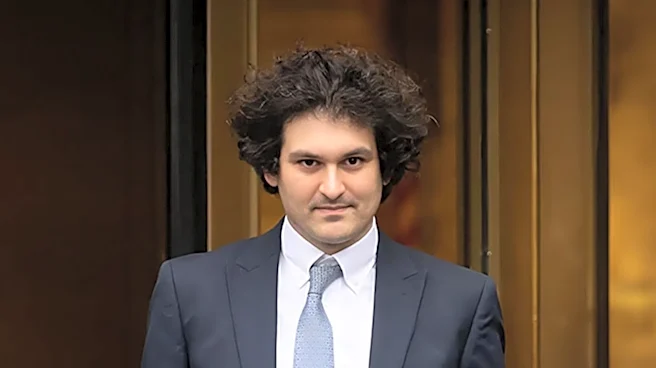
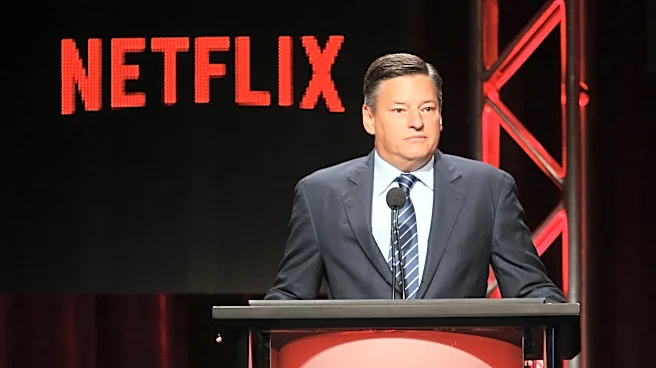
Netflix's new series 'The Altruists,' which chronicles the rise and fall of FTX founder Sam Bankman-Fried, has reignited discussions within the cryptocurrency community regarding the FTX collapse. Nick Tomaino, founder of 1confirmation, criticized mainstream
media outlets like The New York Times and CNBC, along with crypto commentators, for allegedly overstating FTX's standing and portraying Sam Bankman-Fried as the 'JPMorgan of crypto' to attract attention. Tomaino also extended his criticism to former U.S. Securities and Exchange Commission Chair Gary Gensler and politicians who received FTX political donations, alleging they met with the company to discuss a no-action letter and collectively received over $100 million in funds. Additionally, he pointed out that venture capital firms, including Sequoia Capital, invested more than $1.8 billion in FTX despite its fraudulent conduct. Tomaino emphasized that the FTX case revealed intense greed among highly regarded individuals and institutions, urging the industry to reflect on the lack of limits exposed by the incident.
Why It's Important?
The renewed discussion sparked by 'The Altruists' is significant because it forces the cryptocurrency industry and its stakeholders to re-evaluate the systemic failures that contributed to the FTX collapse. Tomaino's criticisms highlight concerns about media sensationalism, regulatory oversight, and due diligence by investors. The alleged overstatement of FTX's legitimacy by mainstream media and industry commentators could have misled the public and investors, contributing to the scale of the fraud. Furthermore, the accusations against former SEC Chair Gary Gensler and politicians regarding their interactions with FTX and receipt of donations raise serious questions about potential regulatory capture and conflicts of interest, which could undermine public trust in financial oversight. The substantial investments by venture capital firms like Sequoia Capital, despite the eventual revelation of fraudulent conduct, underscore the need for more rigorous scrutiny in the investment community and accountability for those who failed to identify red flags.
What's Next?
The ongoing reflection within the crypto community, spurred by the Netflix series, may lead to increased calls for greater transparency, stricter regulatory frameworks, and enhanced due diligence practices across the industry. This renewed scrutiny could prompt regulators to re-examine their past interactions with crypto firms and potentially lead to new policies aimed at preventing similar frauds. Investors, particularly venture capital firms, might face pressure to implement more robust risk assessment and governance protocols before committing significant capital to emerging companies. Public discourse around the role of media in shaping perceptions of financial entities could also intensify, leading to demands for more critical and less sensationalized reporting. Ultimately, the series and subsequent discussions could contribute to a long-term shift towards a more mature and accountable cryptocurrency ecosystem, with a greater emphasis on investor protection and ethical conduct.
Beyond the Headlines
The 'The Altruists' series and the subsequent industry reflection delve into deeper implications beyond the immediate financial fraud. It exposes a potential cultural issue within rapidly growing sectors like cryptocurrency, where the allure of quick wealth and disruptive innovation can sometimes overshadow ethical considerations and sound financial practices. The criticism directed at media outlets and venture capitalists suggests a collective failure of various gatekeepers—journalists, regulators, and investors—to adequately scrutinize and hold powerful figures accountable. This situation highlights the 'emperor's new clothes' phenomenon, where a charismatic leader and a booming market can blind even sophisticated actors to underlying malfeasance. The episode serves as a cautionary tale about the dangers of unchecked ambition and the importance of independent oversight, regardless of an entity's perceived status or influence. It also underscores the ongoing challenge of regulating nascent industries without stifling innovation, while simultaneously protecting consumers and investors from fraudulent schemes.