

What's Happening?
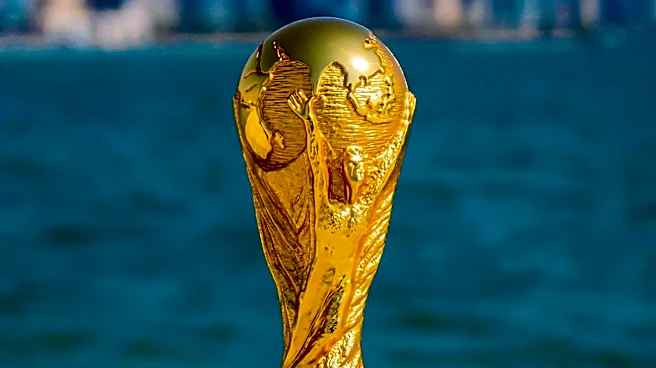
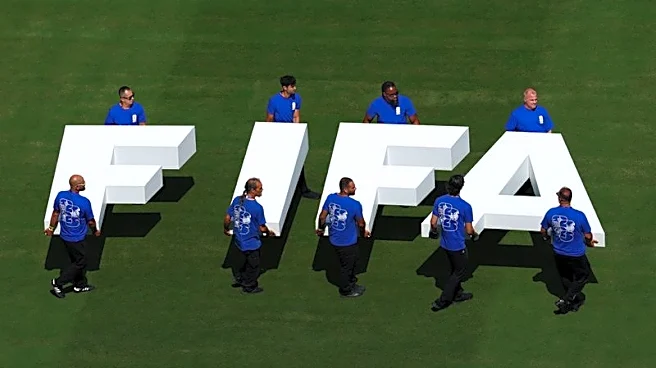
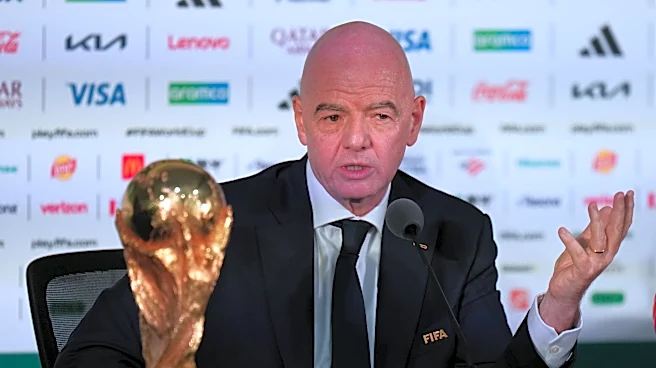
UEFA member nations are considering a boycott of the FIFA World Cup following FIFA's proposal to sell minority stakes in a new commercial subsidiary. This subsidiary would manage FIFA's commercial rights and operational delivery of tournaments, including
the World Cup. The proposal has faced criticism, with figures like Prime Minister Andy Burnham condemning it as an attempt to 'sell' football. In response, UEFA held an emergency meeting where member nations voted to potentially withdraw from the World Cup if FIFA proceeds with its plans. A YouGov survey indicates that 73% of Britons support the boycott.
Why It's Important?
The potential boycott by UEFA nations could significantly impact the FIFA World Cup, one of the most prestigious events in international football. Such a move would not only affect the tournament's competitive landscape but also its commercial viability, as European teams are among the most popular and successful participants. The controversy highlights ongoing tensions between FIFA and its member associations over governance and commercial strategies. A boycott could lead to broader discussions about the future structure and management of international football competitions.
What's Next?
If FIFA moves forward with its commercial subsidiary plans, UEFA's decision to boycott could prompt other football associations to reconsider their participation in FIFA events. This situation may lead to negotiations between FIFA and UEFA to address concerns and find a compromise. The outcome of these discussions could influence the governance and commercial strategies of international football for years to come. Stakeholders, including sponsors and broadcasters, will be closely monitoring developments, as the potential boycott could affect their investments and partnerships.