







What's Happening?
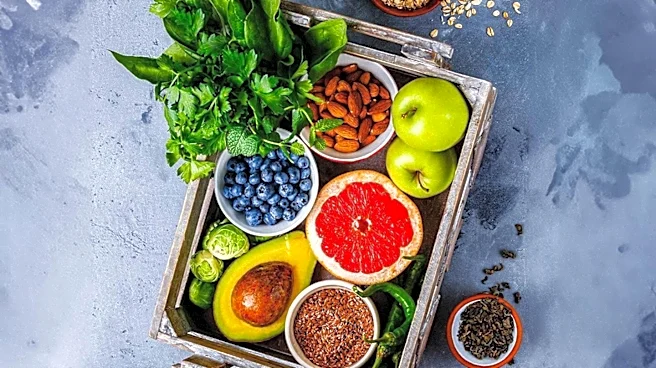
Superfoods, defined as foods with high nutrient density, are increasingly popular due to a growing public interest in long-term health and disease prevention. These foods contain concentrated amounts of vitamins, minerals, and beneficial bioactive compounds,
providing significant nutrients even in small portions. This makes them a convenient option for individuals with busy lifestyles seeking to maintain a healthy diet. Examples of popular superfoods include spirulina, chia seeds, blueberries, and green tea, all recognized for their rich antioxidant content and essential micronutrients. The trend reflects a shift from merely eating for satiety or taste to a more proactive approach to health through diet. The convenience of superfoods, which can supplement diets often deficient in micronutrients due to reliance on processed foods, further contributes to their appeal. Additionally, the influence of media and scientific research has played a role in disseminating information about their benefits.
Why It's Important?
The rising popularity of superfoods signifies a broader societal shift towards preventative health measures and conscious dietary choices in the U.S. This trend impacts the food industry, driving demand for nutrient-dense products and potentially influencing agricultural practices towards more sustainable options, especially for plant-based superfoods like spirulina. Consumers are increasingly seeking foods that offer more than basic nutrition, leading to a market expansion for specialized health products. While the term 'superfood' itself was originally a marketing construct, the underlying focus on micronutrient intake addresses a genuine concern about dietary deficiencies in modern, fast-paced lifestyles. This emphasis on nutrient density can lead to improved public health outcomes by encouraging better eating habits, though it also necessitates informed consumer choices to avoid falling for exaggerated claims.
What's Next?
The superfood trend is expected to continue growing as health consciousness remains a priority for many. This will likely lead to further innovation in food product development, with more companies incorporating superfood ingredients into their offerings. Consumers will need to remain discerning, focusing on the actual nutritional value rather than marketing hype. Educational initiatives from health organizations and nutritionists will be crucial to guide individuals in making informed choices about integrating superfoods into a balanced diet. The market may also see increased scrutiny regarding the scientific backing of health claims associated with these foods, potentially leading to stricter regulations on labeling and advertising. Furthermore, the environmental impact of sourcing and cultivating certain superfoods, such as avocados, may become a more prominent consideration for consumers and producers alike.
Beyond the Headlines
Beyond their nutritional aspects, the superfood phenomenon highlights a deeper cultural shift towards holistic well-being and a desire for natural solutions to health challenges. It reflects a growing skepticism towards conventional medicine as the sole answer to health issues, with many turning to dietary interventions as a primary tool for health maintenance. This trend also touches upon ethical considerations, such as the sustainability of global food supply chains and the potential for exploitation of certain regions for superfood production. The emphasis on 'nutrient-dense' foods can inadvertently create a hierarchy of foods, potentially leading to food guilt or an over-reliance on specific items rather than promoting a diverse and balanced diet. Understanding the historical context of terms like 'superfood' as marketing tools is crucial for consumers to navigate the complex landscape of health and nutrition information effectively.