





What's Happening?
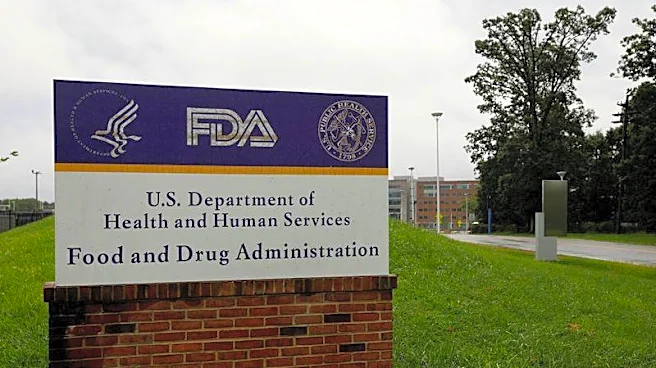
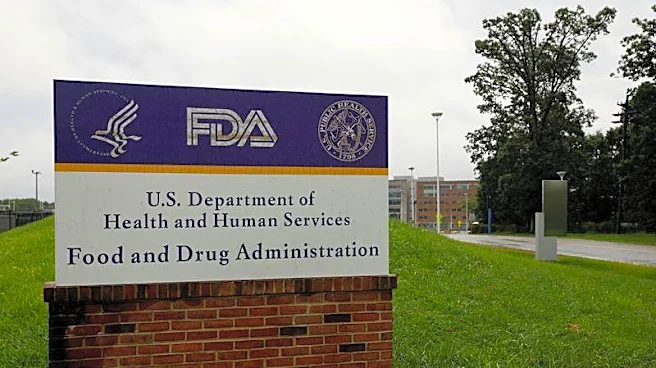
Novo Nordisk is experiencing a delay in the U.S. Food and Drug Administration's (FDA) review of Denecimig, its hemophilia A drug candidate. The FDA's extended review is due to ongoing remediation work at a production facility, not concerns regarding the drug's
efficacy or safety data. While no new action date has been set, Novo Nordisk still aims for a U.S. market launch in the first half of 2027, assuming approval. The company has stated that this delay does not impact its financial forecast for the full year 2026. Concurrently, Novo Nordisk is highlighting positive clinical results for its metabolic franchise, including semaglutide and CagriSema. Recent post-hoc analysis of the STEP UP trial showed semaglutide significantly improved liver fat in obese patients, with 88.5% achieving normal liver-fat readings by week 72. Additionally, detailed results for CagriSema demonstrated a 22.4% body weight reduction over 52 weeks and decreased fat tissue in key organs. The company is also expanding its pipeline through licensing agreements, such as a deal with Jiangsu Hengrui Pharmaceuticals for HRS-1596, valued up to $2.6 billion.
Why It's Important?
The FDA's delay for Denecimig underscores the stringent operational standards pharmaceutical manufacturers face, particularly concerning production facilities. While Novo Nordisk asserts the delay is not related to the drug's clinical profile, it highlights potential vulnerabilities in manufacturing processes that can impact market entry for critical therapies. For patients with hemophilia A, this means a longer wait for a new treatment option. For investors, the situation emphasizes the importance of manufacturing compliance alongside clinical success. The company's strategic pivot and emphasis on its obesity and metabolic therapies, like semaglutide and CagriSema, are crucial. These drugs represent significant growth drivers and potential label expansions, reinforcing Novo Nordisk's leadership in the metabolic disease market. The positive data for semaglutide in liver fat reduction suggests broader therapeutic applications beyond diabetes and obesity, potentially opening new revenue streams and addressing unmet medical needs in related metabolic conditions. The licensing deal for HRS-1596 further indicates Novo Nordisk's commitment to diversifying its pipeline and securing future growth beyond its core franchises.
What's Next?
Novo Nordisk will continue to address the manufacturing issues at its production facility to satisfy FDA requirements for Denecimig. The company's ability to resolve these operational challenges promptly will be critical for securing approval and meeting its targeted 2027 market entry. Investors will closely monitor updates regarding the FDA's review timeline and any further communications from the company on this matter. Concurrently, Novo Nordisk is expected to further leverage the positive clinical data from semaglutide and CagriSema. While the liver-fat data for semaglutide is currently clinical and not a regulatory label expansion, it could pave the way for future studies and potential new indications, expanding its market reach. The company will likely continue to invest in research and development for its metabolic pipeline, including advancing CagriSema through further clinical trials. The integration of HRS-1596 into its development pipeline will also be a key area to watch, as Novo Nordisk aims to broaden its therapeutic offerings and maintain its competitive edge in the biopharmaceutical sector. The ongoing share buyback program signals continued efforts to return capital to shareholders.
Beyond the Headlines
The FDA's scrutiny of manufacturing facilities, as seen with Denecimig, reflects a broader regulatory trend towards ensuring the highest standards of drug production quality and safety. This emphasis can lead to increased costs and longer development timelines for pharmaceutical companies, but ultimately aims to protect public health. For Novo Nordisk, successfully navigating these manufacturing challenges will not only secure approval for Denecimig but also reinforce its reputation for quality and compliance. The expanding utility of drugs like semaglutide, moving beyond initial indications to address conditions like liver fat accumulation in obesity, highlights a significant shift in pharmaceutical research. This 'pipeline within a product' strategy allows companies to maximize the value of existing assets by identifying new therapeutic applications, potentially transforming treatment paradigms for complex metabolic diseases. The strategic licensing agreements, such as the one for HRS-1596, illustrate the industry's reliance on external innovation to supplement internal R&D, fostering a collaborative ecosystem for drug discovery and development. This approach allows companies to access novel compounds and technologies, accelerating the pace of therapeutic advancements and addressing a wider range of medical needs.