



What's Happening?
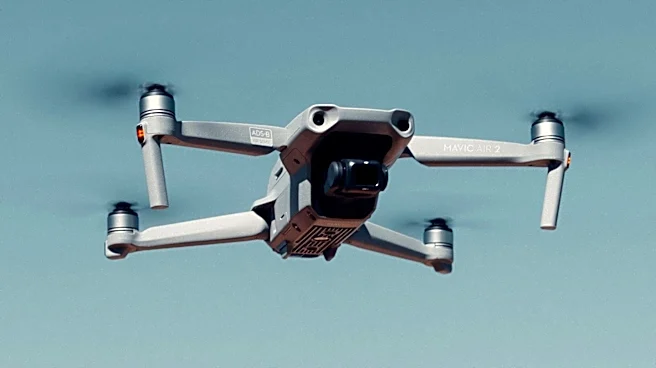
The DJI Air 3 drone, featuring a dual-camera system, is currently available for $899, marking its lowest price of 2026. This $200 discount comes as regulatory restrictions in the U.S. are increasingly impacting the availability of new DJI products and
existing inventory. The Federal Communications Commission (FCC) added foreign-produced drones and critical components to its Covered List in December 2025, which has limited new equipment authorizations for covered products. This restriction affects manufacturers like DJI, making it difficult to introduce new foreign-made drone models into the U.S. market. The DJI Air 3 boasts two 1/1.3-inch CMOS cameras—a 24mm equivalent wide-angle and a 70mm equivalent medium telephoto—and offers up to 46 minutes of flight time. Its features also include omnidirectional obstacle sensing and DJI's O4 video transmission system. The current deal is noted to be rapidly claimed, and DJI's own U.S. store lists the Air 3 as out of stock at its regular price of $1,099.
Why It's Important?
This price reduction and the context of regulatory restrictions signal a significant shift in the U.S. drone market, particularly for DJI products. The FCC's actions are creating a more challenging environment for foreign drone manufacturers to operate and introduce new models, potentially limiting consumer choice and increasing prices for future products. For consumers, this current discount on the DJI Air 3 represents a rare opportunity to acquire a capable drone at a reduced price before potential long-term supply issues or price increases take effect. The situation also highlights the broader geopolitical and economic tensions influencing technology markets, where national security concerns are leading to stricter regulations on imported tech. This could encourage domestic drone manufacturing or prompt foreign companies to establish U.S.-based production facilities to circumvent restrictions, impacting the competitive landscape of the drone industry.
What's Next?
The ongoing regulatory environment suggests that future DJI drone models, such as a potential Air 4, may not be available in the U.S. market. This could lead to increased demand for existing DJI inventory, making deals like the current Air 3 discount more significant. Consumers interested in DJI products may need to act quickly to purchase desired models while they are still available and at competitive prices. The restrictions could also spur innovation among U.S. drone manufacturers, as they face less competition from foreign companies. Furthermore, the situation might prompt DJI and other foreign drone makers to explore strategies for compliance with U.S. regulations, such as establishing U.S. manufacturing or assembly operations, to maintain their market presence. The long-term impact could reshape the drone market, favoring companies that can navigate or adapt to these evolving regulatory landscapes.
Beyond the Headlines
The regulatory actions against foreign-produced drones, particularly those from companies like DJI, extend beyond economic competition into national security and data privacy concerns. The U.S. government has expressed worries about potential data exfiltration and surveillance capabilities of drones manufactured by companies with ties to certain foreign governments. This broader context suggests that the restrictions are not merely about trade but are part of a larger strategy to secure critical technological infrastructure and data. For consumers, this raises questions about trust in technology and the origins of their devices. The situation could also accelerate the development of open-source drone technologies or alternative platforms that are perceived as more secure and less susceptible to foreign influence, fostering a more diverse and potentially fragmented drone ecosystem in the U.S. The implications touch upon supply chain resilience, technological sovereignty, and the balance between innovation and national security.