









What's Happening?
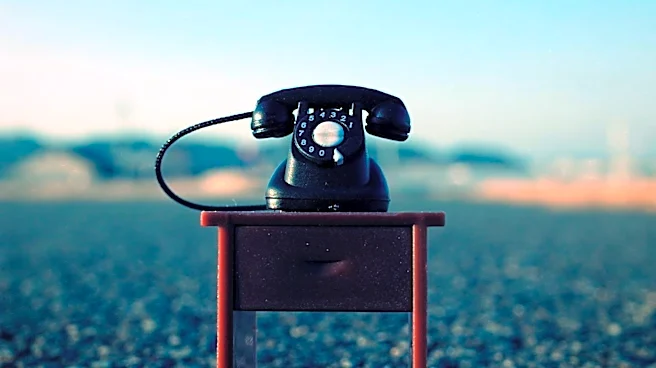
In California, 'wind phones' have become a unique way for individuals to process grief and connect with lost loved ones. Originating from Japan, the concept was first introduced by Itaru Sasaki in 2010 after the death of his cousin. These phones, which
are not connected to any network, allow people to speak their thoughts and emotions into the wind, symbolically sending messages to those who have passed. In California, several wind phones have been established, including one in the San Jacinto Mountains by Vietnam veteran Millard Elston, and another in the San Gabriel Mountains dedicated to Robert Byrne, whose disappearance remains unsolved. These installations provide a serene space for reflection and emotional release, offering comfort to those who visit.
Why It's Important?
The emergence of wind phones in California highlights a growing need for alternative methods of coping with grief. As traditional support systems may not always suffice, these installations offer a personal and intimate way for individuals to express their emotions. This trend reflects a broader societal shift towards finding new ways to address mental health and emotional well-being. By providing a physical space for reflection, wind phones can help individuals process their loss, potentially reducing feelings of isolation and despair. This development underscores the importance of community and shared experiences in healing, particularly in a society where mental health resources are often stretched thin.
What's Next?
As the concept of wind phones gains popularity, it is likely that more communities will adopt similar installations. This could lead to increased awareness and acceptance of non-traditional grief support methods. Additionally, the presence of wind phones in public spaces may encourage conversations about mental health and the importance of addressing grief openly. Community leaders and mental health advocates might explore partnerships to integrate wind phones into broader support networks, potentially enhancing their impact. The continued evolution of these spaces could also inspire new forms of memorialization and emotional expression.
Beyond the Headlines
The cultural significance of wind phones extends beyond their immediate function as grief outlets. They represent a fusion of cultural practices, blending Japanese traditions with Western approaches to mourning. This cross-cultural exchange highlights the universal nature of grief and the shared human experience of loss. Furthermore, wind phones challenge conventional notions of communication, emphasizing the power of symbolic gestures over technological connectivity. As society becomes increasingly digital, these analog installations remind us of the value of simplicity and the profound impact of personal reflection.