






What's Happening?
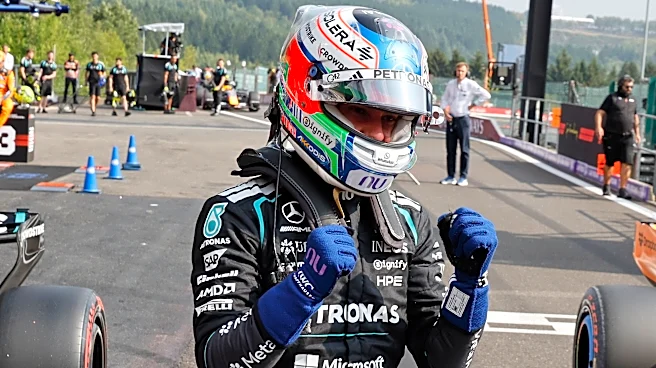
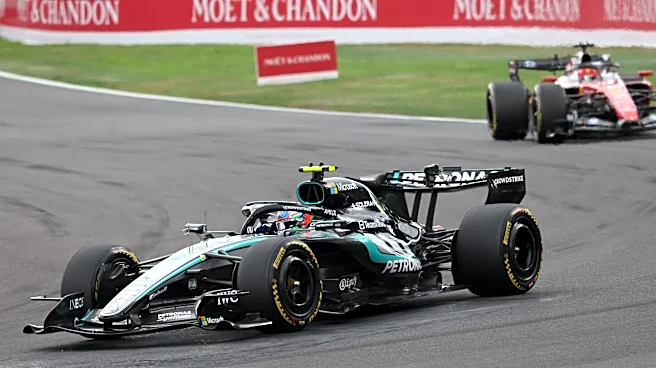
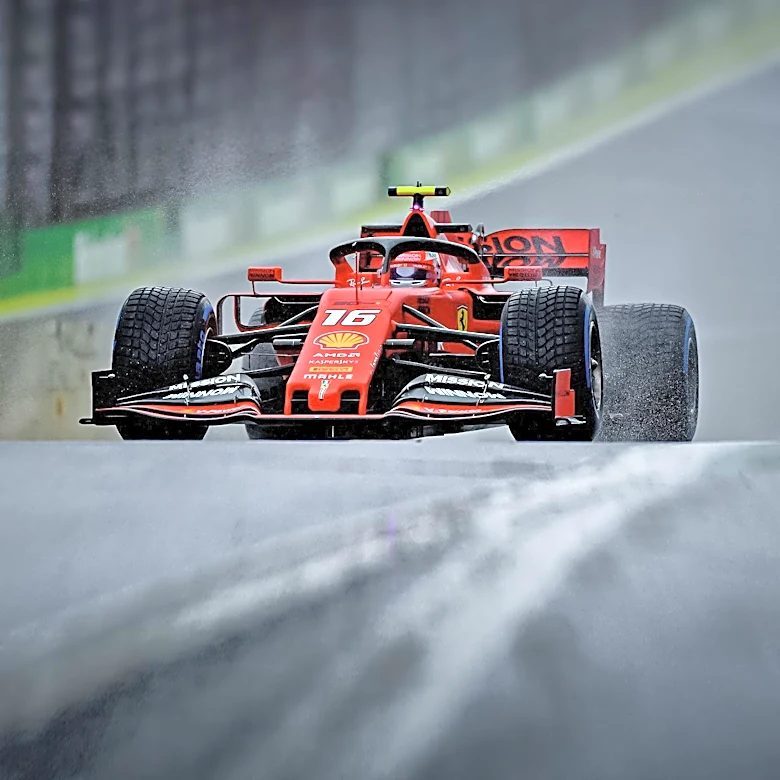
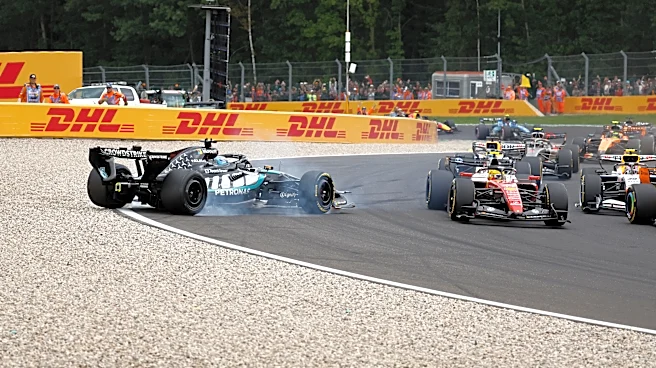
Charles Leclerc engaged in a strategic battle with Kimi Antonelli during the Belgian Grand Prix, ultimately finishing second behind the Mercedes driver. Leclerc initially took the lead due to a well-timed pit stop under the Virtual Safety Car, but Antonelli's
superior pace allowed him to reclaim the lead. The race showcased a tactical deployment battle, with both drivers managing their energy deployment to gain an advantage. Despite Ferrari's struggles on power-sensitive circuits, Leclerc's performance was commendable, finishing just two seconds behind Antonelli.
Why It's Important?
This race highlights the evolving strategic complexity in Formula 1, where energy deployment has become a critical factor in race outcomes. Teams must now consider not only tire and fuel management but also how to optimize energy usage to maintain competitive pace. For Ferrari, Leclerc's performance is a positive indicator of their ability to compete against stronger teams, even on less favorable circuits. The race also underscores the importance of strategic decision-making in maximizing race results and championship points.
What's Next?
As Formula 1 continues to evolve, teams will likely focus on refining their energy deployment strategies to gain a competitive edge. This may involve investing in advanced telemetry and data analysis tools to better understand and optimize energy usage during races. For Ferrari, building on the momentum from this race will be crucial as they aim to challenge for higher positions in the championship standings. The insights gained from this race could inform future strategic decisions and car development efforts.