





What's Happening?
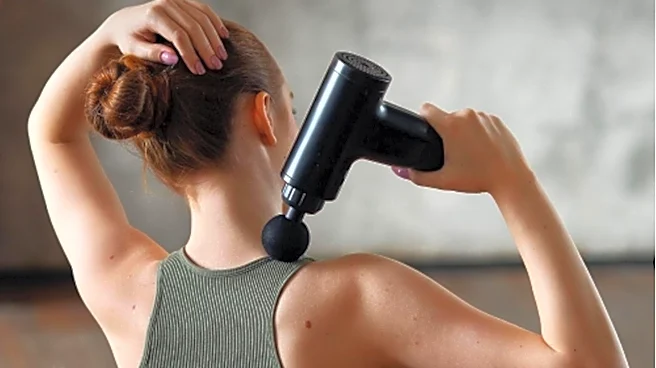
Massage guns have become a prominent tool for muscle recovery, widely used in gyms, physical therapy clinics, and homes due to their convenience and portability. These devices deliver rapid percussion across muscle groups, which can be effective for short-term
improvements in range of motion and flexibility. However, research on their broader recovery and performance outcomes is still evolving and shows mixed results. While they excel at addressing general muscle fatigue, their effectiveness for specific, tender muscle knots is debated. Some users find the focused strikes of a massage gun too intense on already sensitive areas, leading to guarding rather than relaxation. The design of massage guns, with their continuously moving attachments, differs significantly from the sustained, concentrated pressure often applied in deep-tissue manual massage, which can involve a therapist holding pressure on a specific spot. This distinction highlights that percussion is just one type of pressure application for muscle relief.
Why It's Important?
The widespread adoption of massage guns underscores a growing consumer interest in accessible, at-home recovery solutions for muscle soreness and stiffness. For athletes and individuals experiencing muscle fatigue from workouts or prolonged sitting, these devices offer a convenient way to enhance recovery and improve flexibility. The market for personal wellness devices is expanding, driven by innovations that promise professional-grade results in a home setting. However, understanding the limitations of massage guns is crucial for consumers to make informed decisions and manage expectations. Misapplying a massage gun to tender muscle knots, for instance, could exacerbate discomfort rather than alleviate it. This highlights the importance of distinguishing between general muscle recovery and targeted treatment for specific issues, influencing product development and marketing strategies within the health and wellness industry. The ongoing research into the efficacy of percussion therapy will continue to shape how these tools are recommended and utilized.
What's Next?
As research into percussion therapy continues, there will likely be further refinement in understanding the specific applications where massage guns are most effective. This could lead to more specialized product designs, potentially incorporating features that mimic sustained pressure or offer more nuanced control for sensitive areas. Manufacturers may also focus on educating consumers about the appropriate use of massage guns versus other massage tools, such as massage balls or oscillating massagers, to address different types of muscle discomfort. The integration of massage guns into broader recovery routines, alongside other methods like stretching, sleep, and nutrition, will also be emphasized. Healthcare professionals may increasingly provide tailored recommendations, guiding individuals on when and how to best incorporate these devices into their self-care practices, especially for conditions like muscle knots where alternative approaches might be more beneficial.
Beyond the Headlines
The discussion around massage guns extends beyond immediate muscle relief to broader implications for self-care and the professional massage industry. The rise of these devices reflects a trend towards democratizing wellness practices, making tools once exclusive to therapists or elite athletes accessible to the general public. This shift raises questions about the balance between professional expertise and DIY solutions. While massage guns offer convenience, they cannot fully replicate the diagnostic and therapeutic skills of a trained massage therapist, who can adapt techniques based on individual needs and anatomical complexities. This also highlights the ethical considerations for manufacturers to provide clear guidance on product usage and limitations, preventing potential misuse or over-reliance on technology for complex physiological issues. The ongoing evolution of self-massage tools will likely continue to challenge traditional notions of muscle recovery and pain management, prompting both innovation and a critical re-evaluation of their role in holistic health.