

What's Happening?
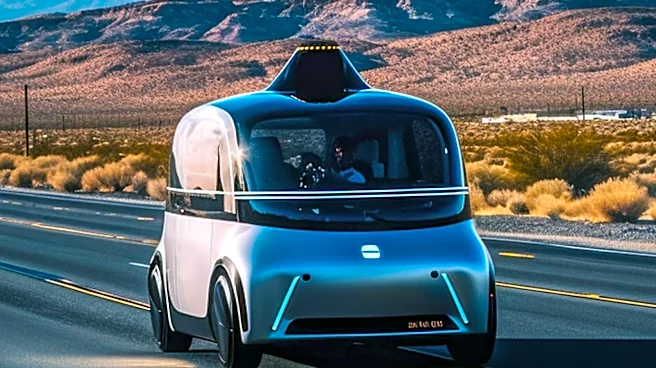
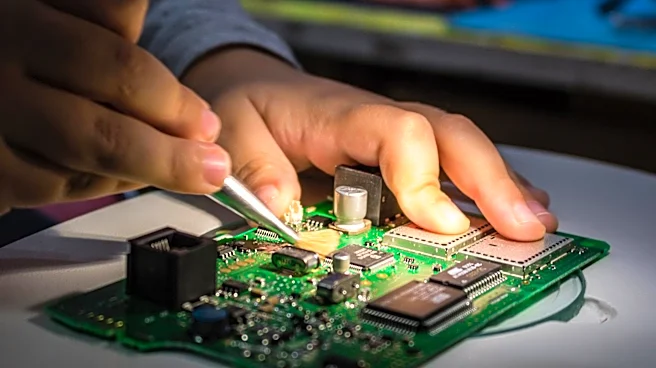
Waymo is accelerating its robotaxi expansion by integrating a custom-built 5 nm ASIC chip into its sixth-generation self-driving system, which powers its Ojai robotaxi. This chip is designed to efficiently process the massive amounts of raw data from
the vehicle's 13 high-fidelity cameras, delivering over 1,000 TOPS (trillions of operations per second) of computing performance. This technological advancement aims to make the Ojai robotaxi cheaper to build, operate, and maintain, crucial for Waymo's profitability goals. The company has recently opened its Ojai robotaxi service to all riders in Los Angeles, Phoenix, and San Francisco. Waymo is collaborating with several partners, including AMD, Micron, Nvidia, Samsung, Sandisk, Socionext, and TSMC, for its compute solutions.
Why It's Important?
Waymo's development of a custom chip signifies a strategic move towards vertical integration, which is critical for achieving cost efficiencies and performance optimization in the highly competitive autonomous vehicle market. By controlling key hardware components, Waymo can tailor its systems precisely to its needs, potentially gaining a significant advantage over competitors relying on off-the-shelf solutions. This approach could accelerate the widespread adoption of robotaxis by making them more economically viable and reliable. The expansion of Waymo's services in major U.S. cities also indicates a growing confidence in the safety and scalability of its technology, paving the way for broader public acceptance and integration of autonomous vehicles into daily transportation, impacting urban planning, logistics, and the future of mobility.
What's Next?
Waymo's continued expansion into more U.S. cities is expected, with the custom chip enabling more efficient and safer operations in complex urban environments. The company's partnerships with various tech giants suggest ongoing innovation and refinement of its autonomous driving technology. The increased presence of Waymo's robotaxis will likely lead to further regulatory discussions and adjustments as cities adapt to autonomous transportation. The focus on cost reduction through custom hardware could also pressure other autonomous vehicle developers to pursue similar vertical integration strategies to remain competitive. Additionally, the Idaho National Laboratory's investigation into potential security risks of Chinese lidar sensors, funded by electric and autonomous vehicle companies, highlights an emerging concern that could influence future hardware choices and supply chain considerations for Waymo and its competitors.
Beyond the Headlines
Waymo's commitment to developing proprietary hardware like its custom ASIC chip underscores a deeper trend in the tech industry: the pursuit of end-to-end control over product development to optimize performance and secure competitive advantages. This strategy, reminiscent of tech giants like Apple, suggests a future where autonomous vehicle companies may increasingly become hardware and software powerhouses. The ethical and societal implications of widespread robotaxi deployment are also significant, including potential impacts on employment in the transportation sector, urban infrastructure changes, and evolving public perceptions of safety and trust in AI-driven systems. The ongoing security concerns regarding foreign-made components, as highlighted by the Idaho National Laboratory's research, point to a growing geopolitical dimension in the development and deployment of critical autonomous technologies, potentially influencing national security and industrial policy.