




What's Happening?
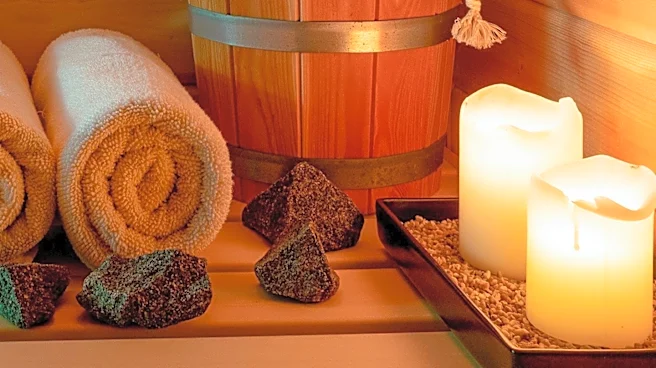
The U.S. is experiencing a growing interest in multisensory sauna rituals, particularly the 'aufguss' experience, which combines water, music, essential oils, and towel techniques to distribute fragrant heat. This trend is highlighted by the increasing
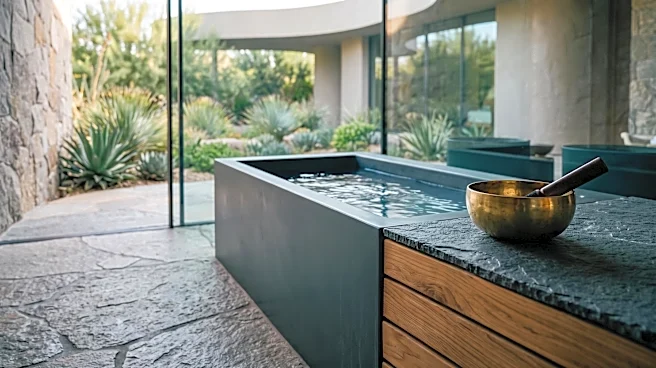
participation in events like Sauna Fest in Bucharest, where American sauna masters are performing and learning. Concurrently, New York City is set to welcome Furoya, a new bathhouse in Greenwich Village that aims to introduce traditional Japanese onsen hospitality and meditative sauna experiences. Furoya, founded by Sean Yamamoto, draws from four generations of his family's ryokan experience in Yugawara, Japan, emphasizing a quiet, introspective approach to bathing. The U.S. sauna scene is evolving from a focus on 'optimization' to a more holistic and ritualistic approach, mirroring practices seen in international sauna cultures.
Why It's Important?
This shift in U.S. sauna culture signifies a broader trend towards wellness practices that prioritize sensory experience and mindfulness over mere physical metrics. The introduction of aufguss rituals and traditional Japanese onsen concepts offers consumers new avenues for relaxation and stress reduction, potentially impacting the wellness and hospitality industries. For businesses, this creates opportunities for specialized services, product development (e.g., essential oils, unique towel designs), and the establishment of dedicated wellness centers. The emphasis on 'un-optimized relaxation' challenges the prevailing American culture of constant self-improvement, suggesting a growing desire for spaces that encourage simply 'being.' This could lead to a re-evaluation of how wellness is marketed and consumed in the U.S., moving towards more authentic and culturally rich experiences.
What's Next?
The increasing popularity of aufguss rituals is likely to lead to more dedicated training programs and competitions within the U.S., similar to those in Europe. New bathhouses like Furoya are expected to inspire further integration of international bathing traditions into the American wellness landscape, potentially leading to a diversification of offerings in spas and wellness centers. We may see a rise in demand for skilled sauna masters and practitioners trained in these specialized techniques. Additionally, the focus on creating meditative and introspective bathing environments could influence architectural and design trends in future wellness facilities, moving away from purely functional spaces towards those that evoke a sense of calm and cultural authenticity. The success of these new ventures will likely dictate the pace and direction of this evolving wellness trend.
Beyond the Headlines
The embrace of aufguss and onsen traditions in the U.S. reflects a deeper cultural yearning for connection, ritual, and a slower pace of life amidst a fast-paced society. These practices offer more than just physical benefits; they provide a structured yet fluid framework for mental and emotional well-being, tapping into the power of scent, sound, and heat to create immersive experiences. This movement could also signify a growing appreciation for global wellness traditions and a desire to integrate them into American lifestyles, fostering a more diverse and nuanced understanding of health. Ethically, it raises questions about the authentic adoption versus commercialization of these practices, emphasizing the importance of respecting their cultural origins while adapting them for a new audience.