







What's Happening?
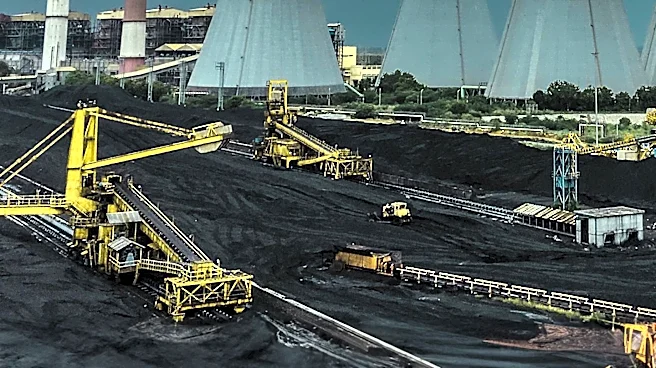
Businesses along Grand River Avenue in East Lansing, Michigan, witnessed a significant increase in student customers following a campus-wide power outage at Michigan State University (MSU). The outage, caused by a failure at the T.B. Simon Power Plant,
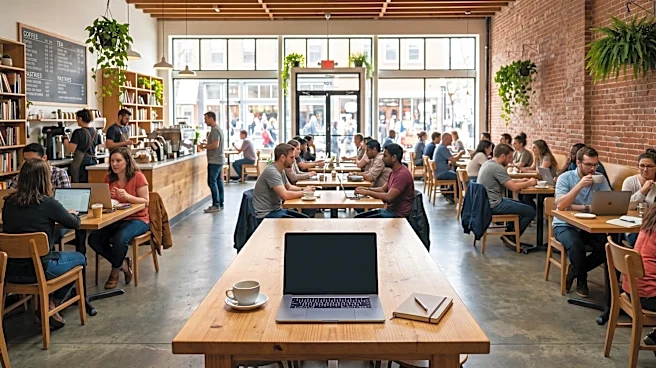
which supplies electricity and steam to the campus, led to the closure of multiple dining halls over the weekend. While some dining halls offered adapted menus due to the lack of gas, many students opted to seek food and a place to gather off-campus. For instance, Mikala Meads, a barista at Foxtail Coffee, reported that their establishment was at max capacity for several hours, with students utilizing the space to socialize, work on school assignments, and maintain a sense of normalcy. Similarly, Auntie Anne's employee Matt Wagdmann noted that the outage was beneficial for their business, bringing in an unexpected rush of customers. Cottage Inn also experienced a higher volume of online orders than usual, with many students choosing to dine in or use the location to charge their phones and relax due to difficulties accessing their dorms.
Why It's Important?
This event highlights the critical interdependence between university infrastructure and local businesses, particularly in college towns. A disruption in campus services, such as a power outage, can immediately and significantly impact the economic activity of surrounding commercial areas. For Grand River Avenue businesses, the MSU power outage translated into an unexpected but welcome surge in revenue and customer traffic, demonstrating their role as essential service providers and community hubs during campus emergencies. Conversely, it underscores the vulnerability of university operations to infrastructure failures and the ripple effects these can have on student life and local economies. The situation also reveals how students adapt to unforeseen circumstances, relying on off-campus resources when on-campus facilities are compromised. This dynamic can influence future emergency preparedness strategies for both the university and local businesses, potentially leading to better coordination and support systems.
What's Next?
In the immediate aftermath, businesses on Grand River Avenue will likely continue to manage the increased demand as MSU students navigate the lingering effects of the power outage. The university will focus on fully restoring power and normal operations to all campus facilities, including dining halls and residential buildings. This incident may prompt MSU to review and potentially enhance its emergency response protocols and infrastructure resilience to prevent similar widespread disruptions in the future. Local businesses might also consider how to better prepare for and capitalize on such unexpected influxes of customers, perhaps by adjusting staffing levels or inventory in anticipation of potential campus-related disruptions. Furthermore, there could be discussions between the university and local business associations about formalizing support mechanisms during campus emergencies, ensuring that students have access to necessary services and that businesses are adequately prepared.
Beyond the Headlines
The incident at Michigan State University extends beyond a simple power outage, revealing deeper insights into community resilience and the symbiotic relationship between a large educational institution and its host city. It underscores the often-overlooked role of local businesses as informal community centers and support systems during crises. For students, the outage disrupted daily routines, highlighting their reliance on campus amenities and the sudden need to adapt to alternative arrangements. This situation could foster a stronger sense of community among students and local businesses, as they collectively navigate the challenges. Long-term, such events can influence urban planning and infrastructure development in college towns, emphasizing the need for robust, redundant systems that can withstand disruptions. It also subtly points to the digital dependency of modern life, as students sought places to charge phones and maintain connectivity, underscoring the essential nature of power and internet access in contemporary education and social interaction.