

What's Happening?
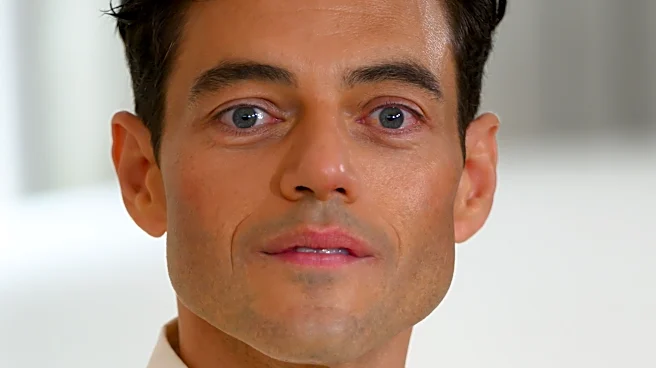
Actor Morgan Freeman has voiced concerns regarding the unauthorized use of his voice through artificial intelligence (AI) deepfakes. According to an interview with Fortune, Freeman stated that AI has made him 'say things he never said,' highlighting a significant
privacy issue. His longtime producing partner, Lori McCreary, revealed that their legal team is now receiving daily calls about products being sold online that use Freeman's voice without his consent or involvement. McCreary first became aware of the problem after encountering an online clip featuring Freeman that neither of them recalled filming. While acknowledging AI's potential to assist independent filmmakers in creating visuals that would otherwise be cost-prohibitive, both Freeman and McCreary emphasize the critical need to protect individual privacy in the face of advancing AI technology. Freeman indicated he would only consider AI recreation of himself if it enabled him to perform actions physically impossible, such as flying.
Why It's Important?
The unauthorized use of Morgan Freeman's voice by AI deepfakes underscores a growing challenge for public figures and individuals alike in the digital age. This issue highlights the increasing sophistication of AI in replicating human characteristics, raising serious questions about intellectual property rights, consent, and personal privacy. For the entertainment industry, it signals a potential shift in how artists' likenesses and voices are protected, possibly leading to new legal frameworks and stricter regulations. The ability of AI to generate convincing but fabricated content could also erode public trust in media and create avenues for misinformation. The daily calls received by Freeman's legal team indicate that this is not an isolated incident but a widespread problem affecting numerous individuals, necessitating a reevaluation of existing protections against identity misuse in the digital realm.
What's Next?
The concerns raised by Morgan Freeman and his producing partner, Lori McCreary, are likely to fuel ongoing discussions and efforts to establish stronger legal and technological safeguards against AI-generated identity misuse. Other celebrities, such as Taylor Swift and Matthew McConaughey, have already pursued trademark protections for their voices and likenesses, indicating a growing trend among public figures to proactively address these issues. This collective action could lead to increased pressure on lawmakers to develop comprehensive legislation that defines the boundaries of AI use, particularly concerning personal data and identity. Furthermore, the entertainment industry may explore new contractual agreements and technological solutions to embed consent and attribution mechanisms into AI-powered creative processes. The legal battles currently being waged by Freeman's team could set precedents for future cases, shaping how intellectual property and privacy are protected in an era of rapidly evolving AI capabilities.
Beyond the Headlines
The ethical implications of AI deepfakes extend beyond celebrity privacy, touching upon fundamental questions of authenticity and control over one's digital identity. The ease with which AI can now replicate voices and images without consent challenges the very notion of personal autonomy in the digital sphere. This development could lead to a societal shift in how we perceive and trust digital content, potentially fostering a climate of skepticism where verifying the authenticity of information becomes paramount. Moreover, the commercial exploitation of AI-generated likenesses without compensation or permission raises significant ethical dilemmas regarding fair use and economic justice for creators. As AI technology continues to advance, there is a pressing need for a broader societal dialogue on the ethical responsibilities of AI developers, users, and policymakers to ensure that technological progress does not come at the expense of individual rights and societal trust.