

What's Happening?
In 1978, actor Roy Scheider chose to reprise his role as Police Chief Martin Brody in 'Jaws 2' instead of taking the lead role of Michael Vronsky in Michael Cimino's 'The Deer Hunter.' This decision came despite 'The Deer Hunter' going on to win multiple
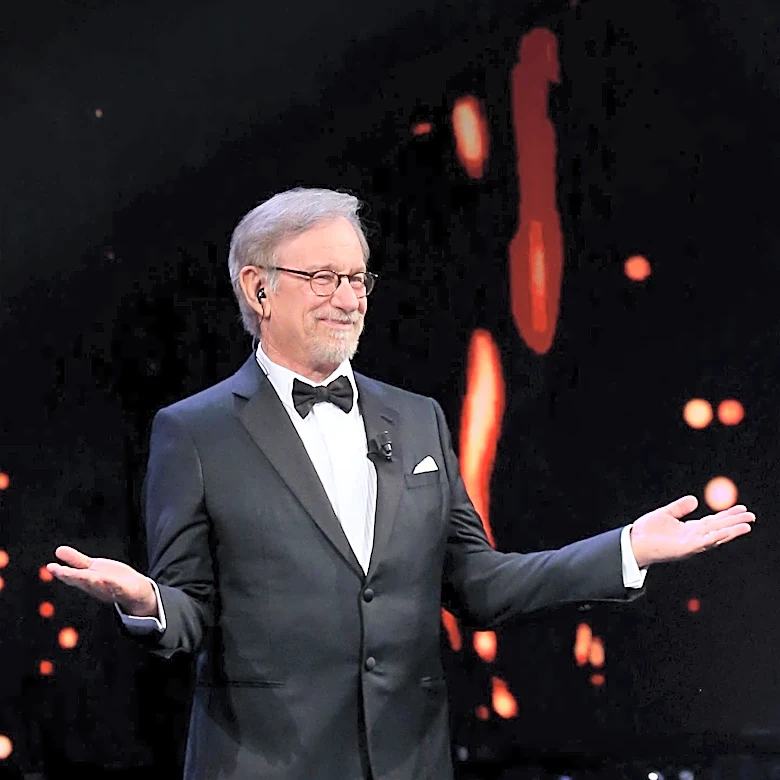
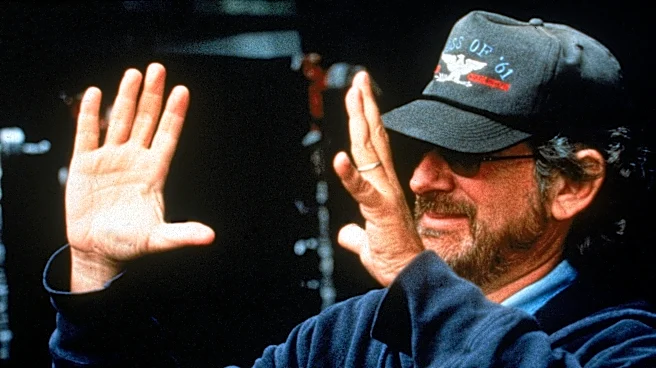
Academy Awards, including Best Picture, Best Director, and Best Supporting Actor. According to producer Thom Mount, Scheider's decision was not due to dissatisfaction with 'The Deer Hunter' script, which was considered stunning, but rather a dispute over his salary. Scheider, who had a three-picture deal with Universal, felt that the fee outlined in his contract did not adequately reflect the starring nature of the role in 'The Deer Hunter.' Steven Spielberg, director of the original 'Jaws,' had expressed skepticism about a sequel, stating on 'The Rewatchables' podcast that the shark was blown up, making a follow-up unmakeable. However, Scheider proceeded with 'Jaws 2,' leading to Robert De Niro ultimately taking the role in 'The Deer Hunter.'
Why It's Important?
This decision highlights the complex interplay of contractual obligations, financial considerations, and artistic choices in Hollywood. For Roy Scheider, prioritizing a sequel to a massive blockbuster like 'Jaws' over a critically acclaimed, Oscar-bound drama like 'The Deer Hunter' demonstrates the commercial pressures actors face. While 'Jaws' had already cemented his status and invented the summer blockbuster concept, his choice to opt for 'Jaws 2' due to a salary dispute potentially altered the trajectory of his career and the film landscape. It underscores how financial terms can override perceived artistic merit or critical acclaim in an actor's decision-making process. The casting of Robert De Niro in 'The Deer Hunter' ultimately proved to be a critical success, suggesting that such pivotal casting decisions can significantly impact a film's legacy and success, even if they arise from an actor's contractual disagreements.
What's Next?
While this event is historical, its implications continue to resonate in discussions about actor choices and film production. The story serves as a case study for film students and industry professionals examining the business side of filmmaking and talent negotiations. For fans of both films, it offers insight into the behind-the-scenes decisions that shaped cinematic history. The anecdote is likely to be revisited in film retrospectives, documentaries, and podcasts like 'The Rewatchables,' which often delve into the production histories and alternative casting choices of iconic movies. The narrative reinforces the idea that even in creative industries, financial agreements and contractual details can be as influential as artistic vision in determining outcomes.
Beyond the Headlines
The story of Roy Scheider's choice between 'Jaws 2' and 'The Deer Hunter' delves into the broader ethical and professional considerations actors face. It raises questions about the balance between financial security, career advancement, and artistic fulfillment. Scheider's decision, driven by a perceived undervaluation of his role, reflects a common tension in the entertainment industry where talent often negotiates against established studio contracts. This incident also subtly highlights the power dynamics between actors and studios, where multi-picture deals can both secure an actor's future and limit their immediate choices. Furthermore, it underscores the subjective nature of career decisions; what might seem like a missed opportunity in hindsight could have been a pragmatic choice at the time, based on the information and contractual terms available to the actor.