






What's Happening?
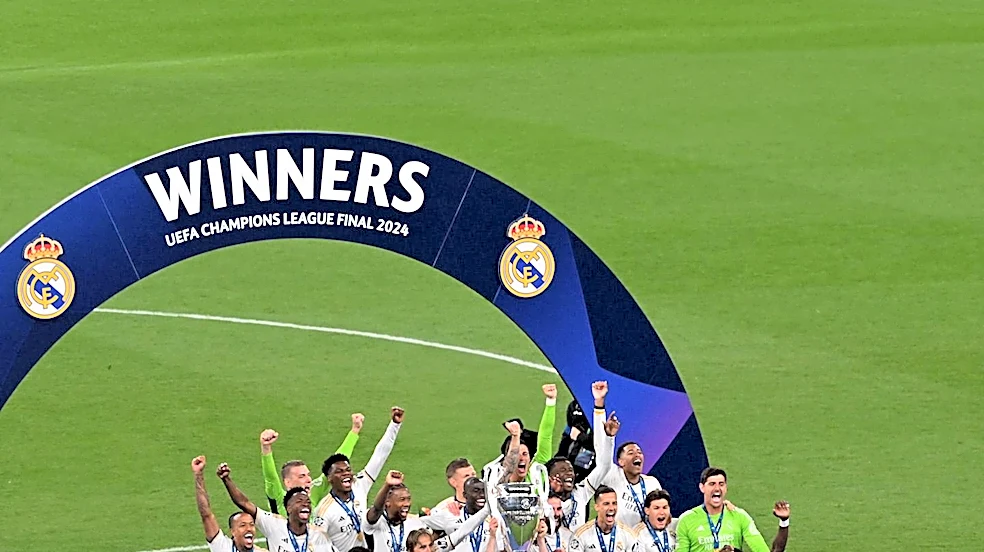
Real Madrid is reportedly pursuing approximately $90 million in compensation from several Premier League clubs that withdrew from the European Super League (ESL) project. The ESL, announced in 2021, was a breakaway league intended to feature 12 founding
members, including Real Madrid, Barcelona, Juventus, and six English clubs: Arsenal, Chelsea, Liverpool, Manchester City, Manchester United, and Tottenham Hotspur. The project faced widespread backlash from fans, players, and coaches, leading to its rapid collapse as most clubs, particularly the English ones, pulled out. Real Madrid's claim for payment stems from the initial setup costs of the ESL, arguing that the clubs had signed a shareholders' agreement with the European Super League Company, a Spanish-based holding company. This agreement, according to The Athletic, provided assurances for the league's future before its collapse. Real Madrid president Florentino Perez had previously stated in April 2021 that clubs could not leave due to binding contracts.
Why It's Important?
This development highlights the lingering financial and legal repercussions of the failed European Super League, an event that significantly shook the foundations of European football. If Real Madrid successfully pursues these payments, it could set a precedent for financial accountability among clubs involved in similar ventures, potentially deterring future attempts at breakaway leagues. For the Premier League clubs involved, a $90 million payment would represent a substantial financial hit, impacting their budgets for player transfers, infrastructure, or operational costs. This situation also underscores the power dynamics within European football, with Real Madrid, a traditional powerhouse, asserting its claims against some of the wealthiest clubs in the world. The outcome could influence future collaborations or rivalries among these elite clubs and potentially lead to prolonged legal battles, diverting resources and attention from on-field matters.
What's Next?
Real Madrid's pursuit of these funds is likely to initiate a lengthy legal challenge from the Spanish club against the Premier League teams. It remains unclear whether Real Madrid will succeed in its efforts to collect the money. Any funds recovered would go to the European Super League Company, not directly to Real Madrid. The news of this pursuit coincides with Real Madrid's intention to hire Bernd Reichart, CEO of A22 (a company working on behalf of the ESL), as its new head of business operations, which could signal a more aggressive stance on ESL-related matters. The involved Premier League clubs are expected to mount a robust defense against these claims, potentially leading to protracted legal proceedings in various jurisdictions. The football world will be watching closely to see how this legal battle unfolds, as it could have significant implications for club finances and governance.
Beyond the Headlines
The ongoing dispute over the European Super League's financial fallout reveals deeper tensions within the global football ecosystem, particularly regarding governance, revenue distribution, and the balance of power between traditional giants and emerging financial forces. The ESL's failure was a testament to the power of fan protests and collective action, but this financial claim suggests that the ambition for a more exclusive, lucrative competition has not entirely dissipated. Ethically, the pursuit of these funds years after the project's collapse raises questions about accountability and the spirit of collaboration among clubs. Legally, the interpretation of the shareholders' agreement and the enforceability of contracts under such controversial circumstances will be closely scrutinized. This situation could also influence future discussions about football's structure, potentially reigniting debates about UEFA's role, financial fair play, and the sustainability of the current club competition model.