
What's Happening?
Biophilic design is increasingly being adopted in commercial architecture and senior living facilities to integrate natural elements and materials, aiming to improve mental and physical well-being. This
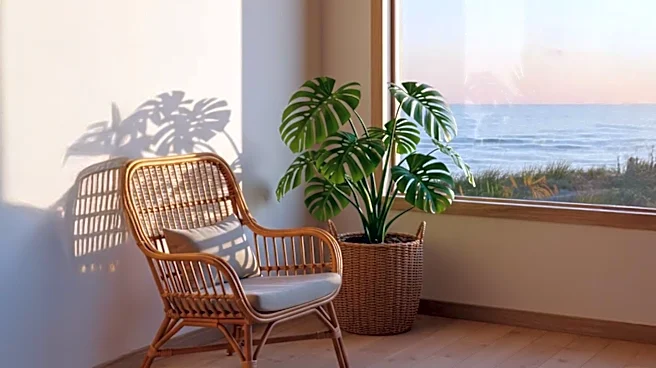
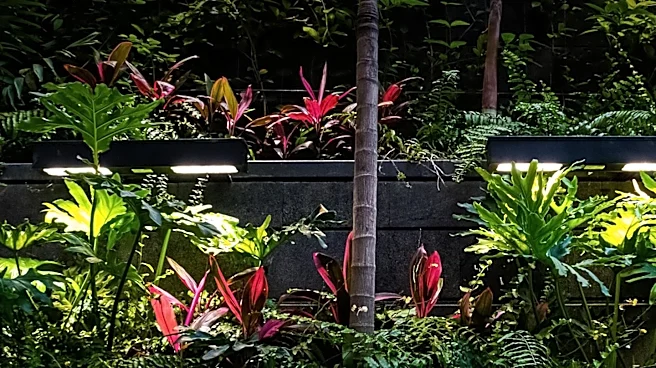
design philosophy focuses on connecting occupants with the natural world to reduce stress and enhance comfort. In senior living, biophilic architecture is being used to create restorative environments that support residents' physical vitality and mental acuity, moving away from traditional clinical settings. Examples include lush vertical gardens, accessible rooftop parks, and open-air corridors in urban developments. Similarly, commercial spaces are utilizing biophilic design through interior planting solutions to create healthier and more engaging environments, demonstrating how greenery can elevate workplace design and overall well-being. This approach is seen as a way to align physical environments with human biological needs, promoting a sense of calm and connection to nature.
Why It's Important?
The integration of biophilic design holds significant importance for both the commercial real estate sector and the growing senior living market. For businesses, creating healthier and more engaging workplaces through biophilic elements can lead to increased productivity, reduced stress among employees, and a more positive brand image. In the senior living sector, this design approach is crucial for enhancing the quality of life for older adults. By fostering environments that promote well-being, reduce agitation, and support cognitive function, biophilic design can help senior living facilities attract residents and differentiate themselves in a competitive market. This shift reflects a broader understanding of how physical spaces impact human health and behavior, moving beyond purely functional design to create spaces that actively contribute to occupant wellness. The financial implications include potential for higher occupancy rates and increased property values in developments that prioritize such human-centric design principles.
What's Next?
The trend of incorporating biophilic design is expected to continue expanding across various sectors, particularly in urban development and healthcare. Future developments will likely see more innovative applications of natural elements, such as advanced circadian lighting systems that mimic natural light cycles and the creation of more tactile sensory gardens. As the global wellness economy grows, there will be increased demand for environments that integrate preventative health therapies directly into architectural footprints. This could lead to a greater emphasis on sustainable infrastructure, visible rainwater harvesting systems, and native landscaping as part of biophilic strategies. Furthermore, designers and architects will likely explore more sophisticated ways to blend indoor and outdoor spaces, ensuring that even high-density urban living does not sacrifice a meaningful connection to nature. The ongoing evolution of materials and technologies will also support more seamless and effective integration of biophilic principles.
Beyond the Headlines
Beyond the immediate benefits of well-being and market appeal, the widespread adoption of biophilic design signals a deeper cultural shift towards valuing human-nature connection in built environments. This approach challenges traditional architectural paradigms that often prioritized efficiency and aesthetics over ecological and psychological well-being. Ethically, it underscores a commitment to creating spaces that support human flourishing and dignity, particularly for vulnerable populations like seniors. Legally, as awareness grows, there might be future regulations or building codes that encourage or mandate certain biophilic elements, especially in public and healthcare facilities. Culturally, it reflects a growing societal recognition of the intrinsic human need for nature, moving away from purely anthropocentric design to one that acknowledges our interconnectedness with the natural world. This long-term shift could redefine urban planning and architectural education, emphasizing ecological literacy and holistic design principles.